Your Child’s Amazing Sensory World: Why Touch, Movement, Sound and Space Matter

Have you ever wondered why your child suddenly covers their ears when the room gets noisy?


Why they love jumping, spinning or running?


Why they dislike certain textures?


Why they want to touch everything?


Or why one child can happily play in a busy environment while another seems overwhelmed by everything happening around them?


Sometimes we look at these behaviours and simply say:


“They’re being difficult.”


But there may be something much more important happening.


Your child is constantly receiving information from the world around them.


Every sound.


Every movement.


Every touch.


Every change in position.


Every texture.


Every smell.


Every visual experience.


Their developing brain is working to take all of this information in, organise it and respond.


This is part of the fascinating world of sensory integration.
We Experience The World Through Our Senses

When we think about the senses, we often think about the five familiar ones:


Seeing.

Hearing.

Touching.

Smelling.

Tasting.


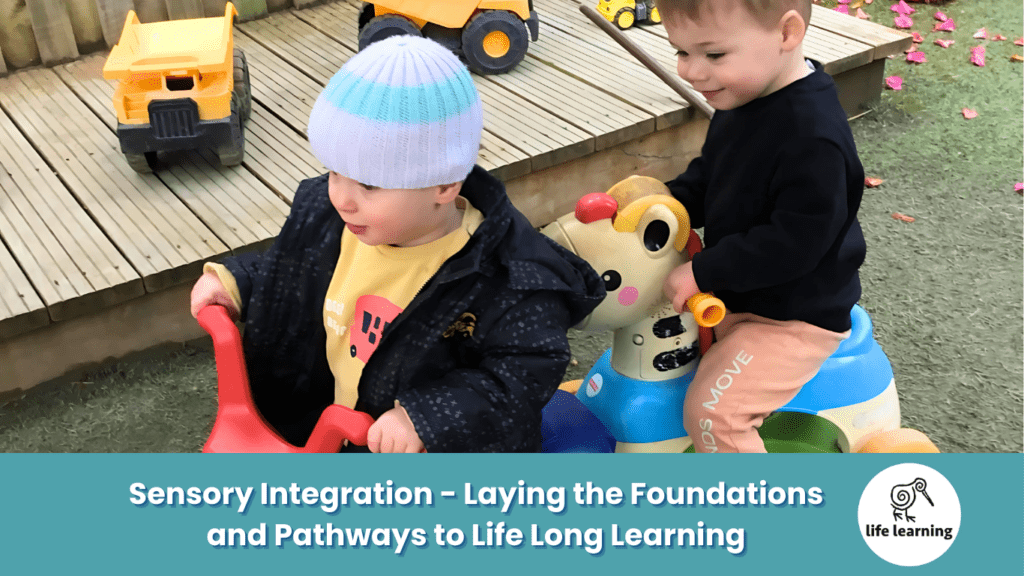
But children’s development also involves important sensory systems related to movement, balance, body position and spatial awareness.


Maria’s sensory integration work identifies vision, touch, smell, taste and hearing alongside the vestibular system, which relates to balance, movement and head position, and proprioception, which relates to the position and movement of the muscles and joints.


Together, these systems provide the brain with information about:


What is happening around me?

What is happening to my body?

Where is my body?

How am I moving?

What do I need to do next?


For a young child, this is happening all the time.

But Sensing Something Is Only The Beginning

Imagine a child walking barefoot across grass.


Their feet feel the surface.


Their eyes see the ground.


Their body adjusts to the uneven surface.


Their muscles respond to changes in balance.


Their brain receives all of this information.


Then the child changes how they walk.


This is more than simply “feeling the grass.”


The brain is receiving information, organising it and responding.


Maria describes sensory integration as a process through which the brain takes information from the senses, organises it and enables us to act and respond according to the situation. It also helps us filter information that isn’t necessary at that moment.


This ability becomes incredibly important as children grow.

Think About How Much Information Your Child Processes During Play

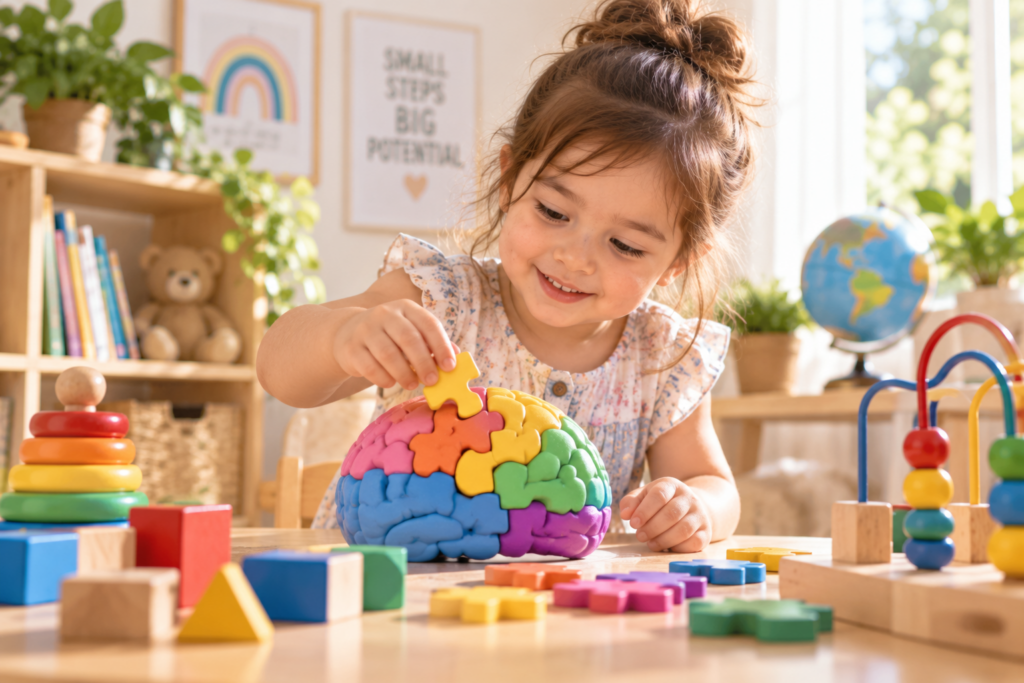
Imagine a preschool child playing with a box of loose materials.


They pick up a wooden block.


They see its shape.


They feel its texture.


They notice its weight.


They carry it.


They place it on another block.


The tower falls.


They hear the sound.


They look at what happened.


They try again.


Perhaps they add another material.


Perhaps they ask another child for help.


Perhaps they change their design completely.


In a few minutes, that child has experienced:


touch

vision

movement

proprioception

spatial awareness

problem-solving

communication

decision-making


and much more.


This is why Maria’s course framework connects sensory development with loose parts play, STEM, creativity, movement and the learning environment.

Why Do Children Repeat Sensory Experiences?

Have you noticed how young children often want to do something over and over?


Pour the water.


Empty the container.


Fill it again.


Jump.


Jump again.


Roll the ball.


Throw it.


Catch it.


Drop it. 


Watch it fall.


Do it again.


Adults can sometimes wonder:


“Why are they doing that again?”


But repetition is a natural part of children’s learning.


Maria’s sensory integration article explains that repeated or similar experiences strengthen the connections between neurons and that children often seek repetition as their brains develop these pathways.


So when a child repeatedly explores the same experience, we should pause before assuming that they are simply being repetitive.


They may be building familiarity.


They may be experimenting.


They may be testing cause and effect.


They may be developing control.


They may be making sense of an experience.


And they may simply be enjoying learning through repetition.

What Happens When The World Feels Like “Too Much”?

Now imagine being a young child in a busy environment.


There are voices.


Music is playing.


Children are running.


Someone touches you.


A chair moves.


Bright objects are everywhere.


Someone asks you a question.


Another child calls your name.


Your body is moving.


Your brain is processing.


For some children, managing all of this information may be challenging.


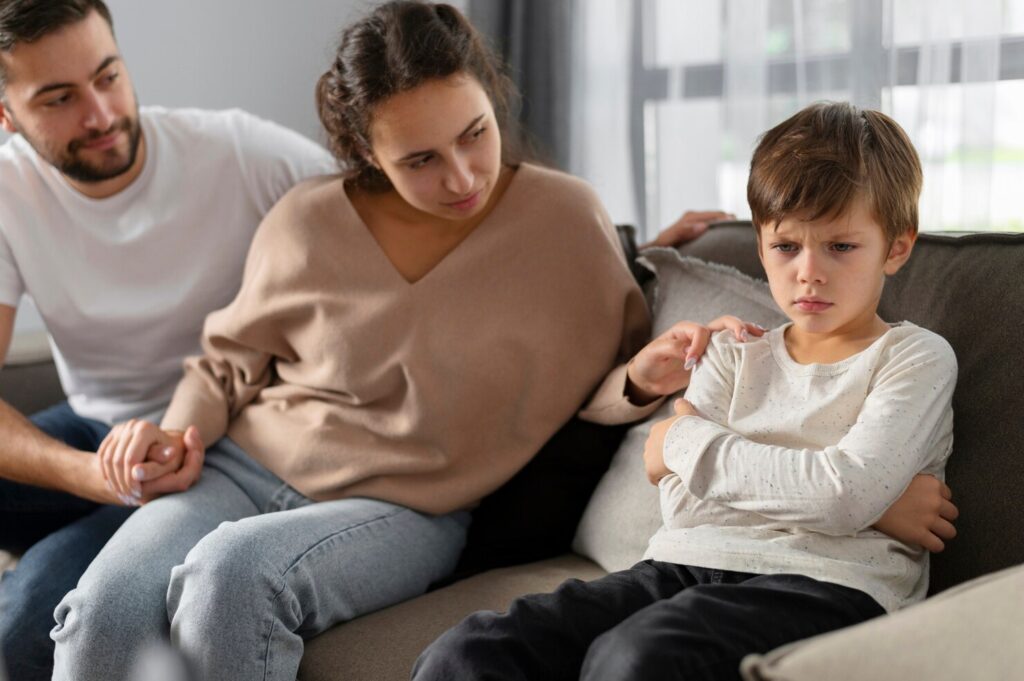
This is why understanding sensory experiences can help adults look beyond the behaviour itself.


Instead of immediately asking:


“How do I stop this behaviour?”


we can also ask:


“What is this child experiencing right now?”


That doesn’t mean every behaviour has a sensory explanation.


It means observation comes before assumption.

The Child Who Avoids Something May Be Telling Us Something

Perhaps a child doesn’t want to touch wet sand.


Perhaps they don’t want to participate in a noisy activity.


Perhaps they dislike having paint on their hands.


Perhaps they become uncomfortable in certain environments.


Rather than forcing the child immediately, we can become curious.


What is the child experiencing?


What part of the environment might be difficult?


Can we offer another way to participate?


Can we introduce the experience gradually?


Can the child observe first?


This is particularly important in early childhood because children are still learning about their own bodies and how to respond to the world around them.

And What About the Child Who is Always Moving?

Now consider the opposite.


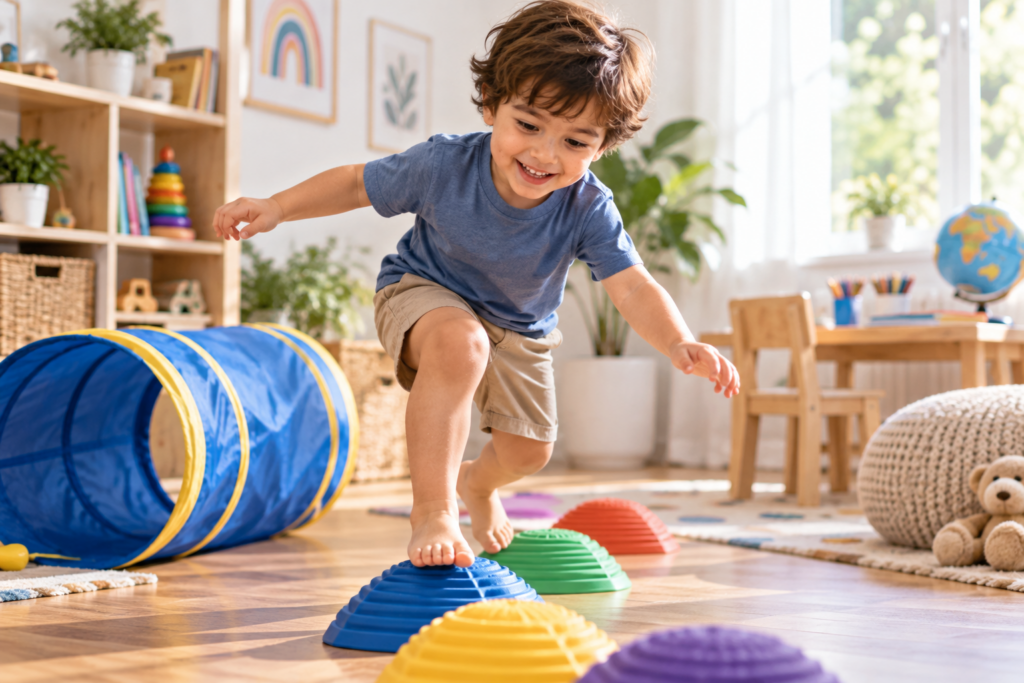
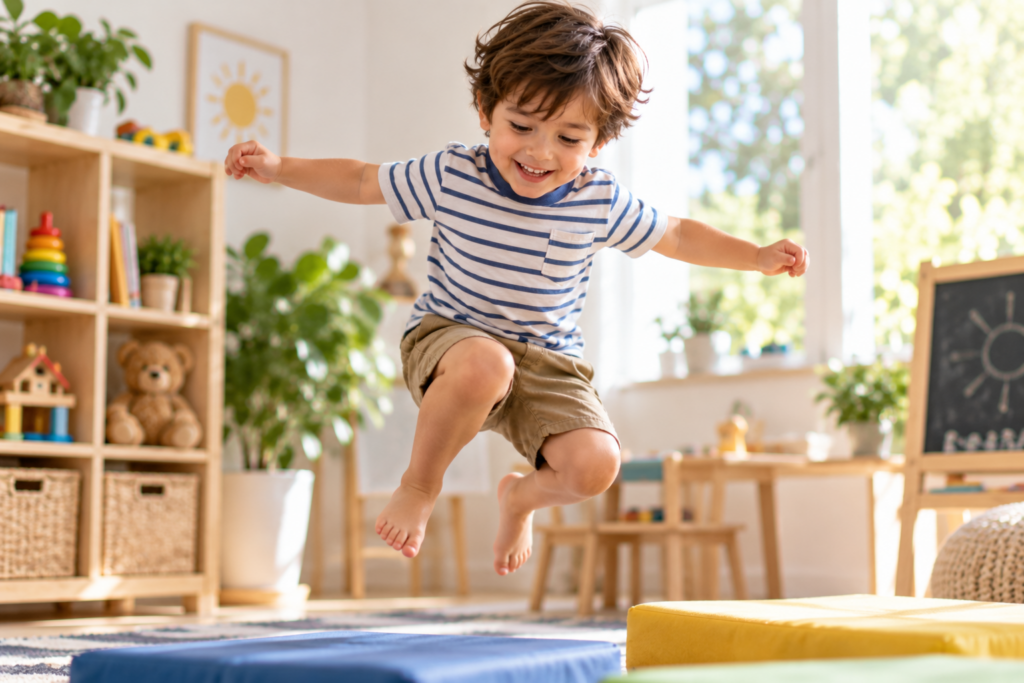
A child who is constantly climbing.


Running.


Jumping.


Spinning.


Pushing.


Pulling.


Rolling.


Moving from one activity to another.


It can be tempting to describe them simply as:


“Too active.”


But again, observation can tell us much more than a label.


Maria’s course framework specifically explores the vestibular system, proprioception and spatial awareness, as well as the relationship between movement and children’s development.


Movement gives children opportunities to experience their bodies.


It allows them to explore:


balance


position


direction


space


speed


force


coordination


and physical control.


This is why movement should have a meaningful place within early childhood environments.

The Environment Can Either Support or Restrict Sensory Learning

This is where the role of the educator becomes incredibly important.


Walk into an early childhood classroom and look beyond the furniture.


Ask:

What can children experience here?


Can they move?

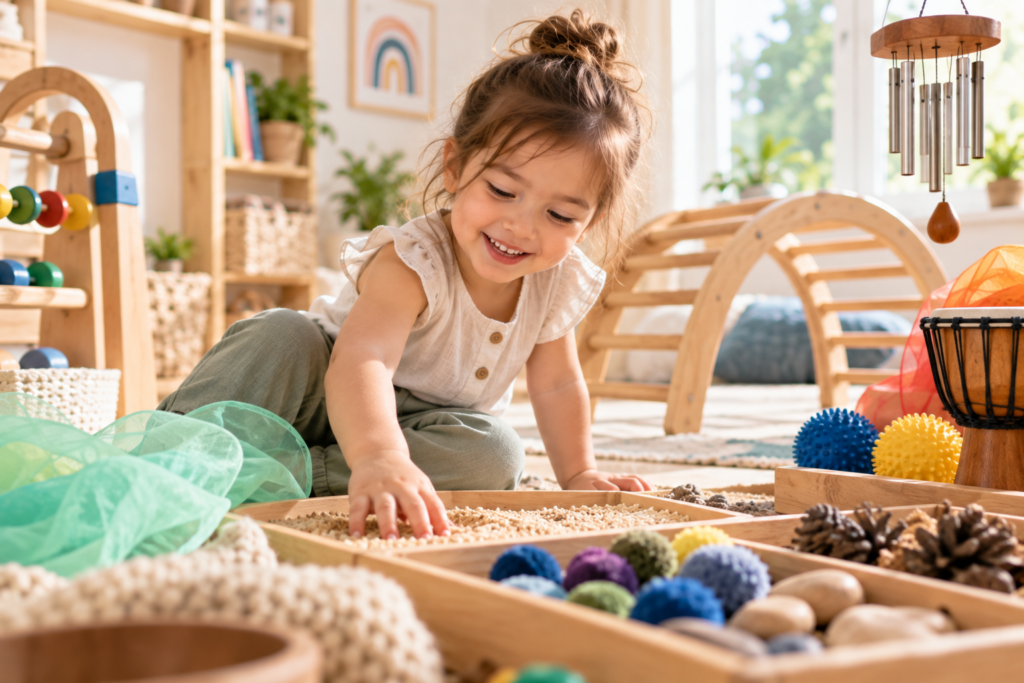
Can they touch different materials?

Can they manipulate objects?

Can they explore textures?

Can they build?

Can they create?

Can they carry?

Can they pour?

Can they investigate?

Can they move between quiet and active experiences?

Can they explore indoors and outdoors?


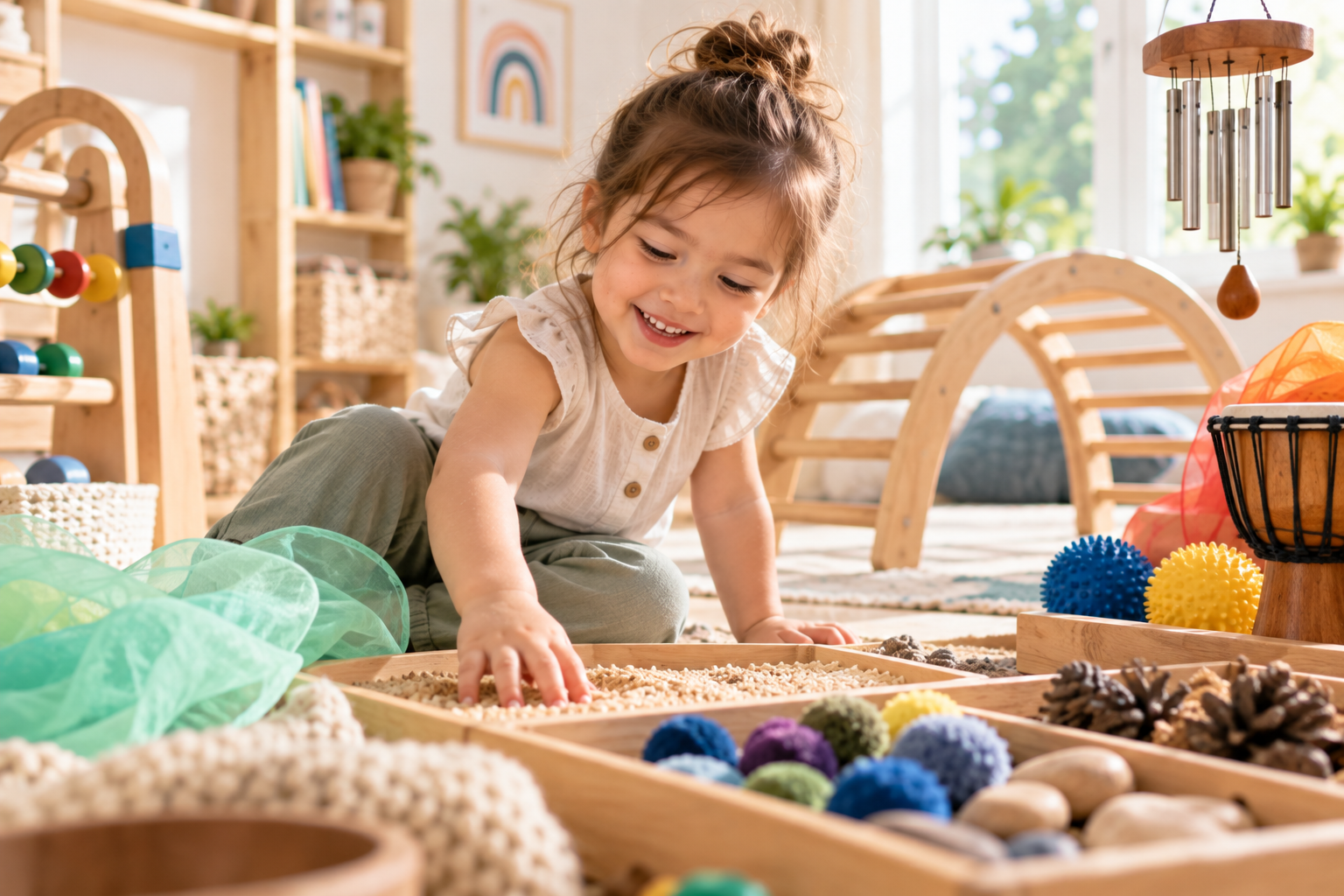
Maria’s work emphasises providing children with a wide range of sensory experiences and creating environments where these experiences can contribute to developing strong learning pathways.


This is also closely connected with her Reggio Emilia course on the environment as the “third teacher”—the idea that the physical environment itself can influence children’s exploration, independence and learning.

Parents Can Create Sensory Learning at Home Too

You don’t need an elaborate sensory room.


Your home is already full of sensory possibilities.


Think about everyday experiences.


In the kitchen


Pouring.

Mixing.

Scooping.

Measuring.

Feeling different ingredients.


Outdoors


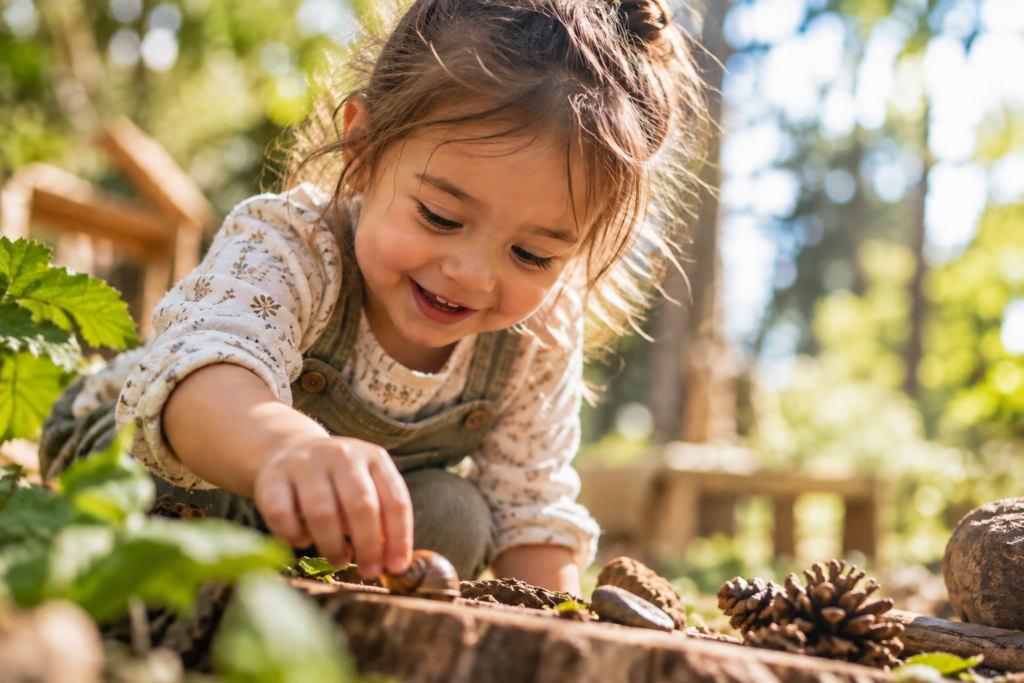
Walking barefoot where appropriate.

Digging.

Climbing.

Balancing.

Collecting natural materials.

Listening to birds.

Feeling the wind.


Through creative play


Playdough.

Clay.

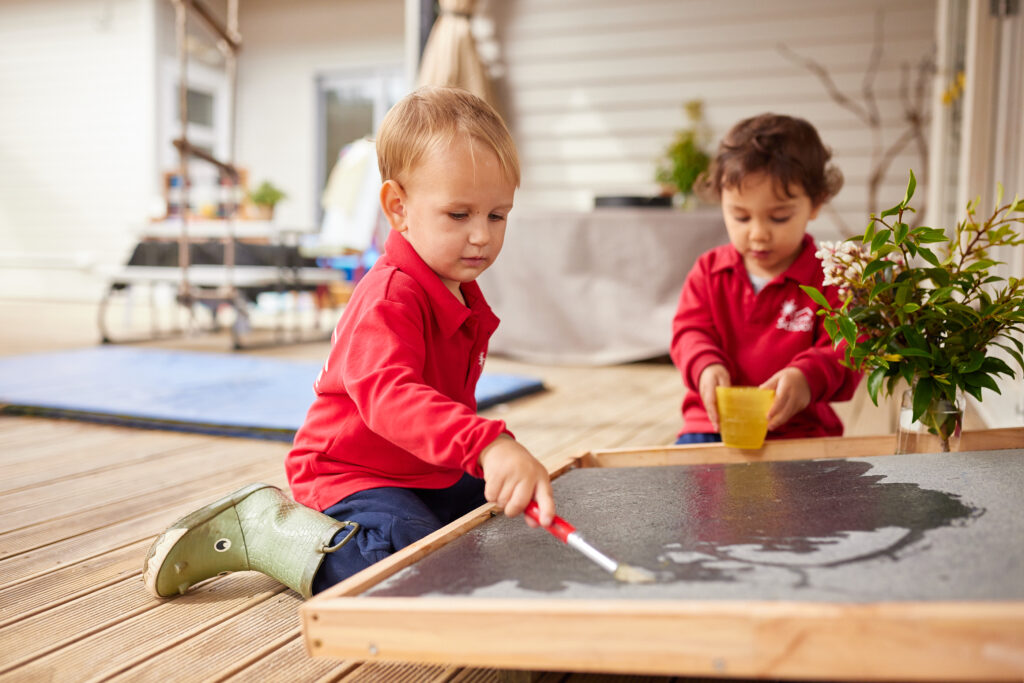
Painting.

Drawing.

Paper tearing.

Cutting.

Building.


Through movement


Dancing.

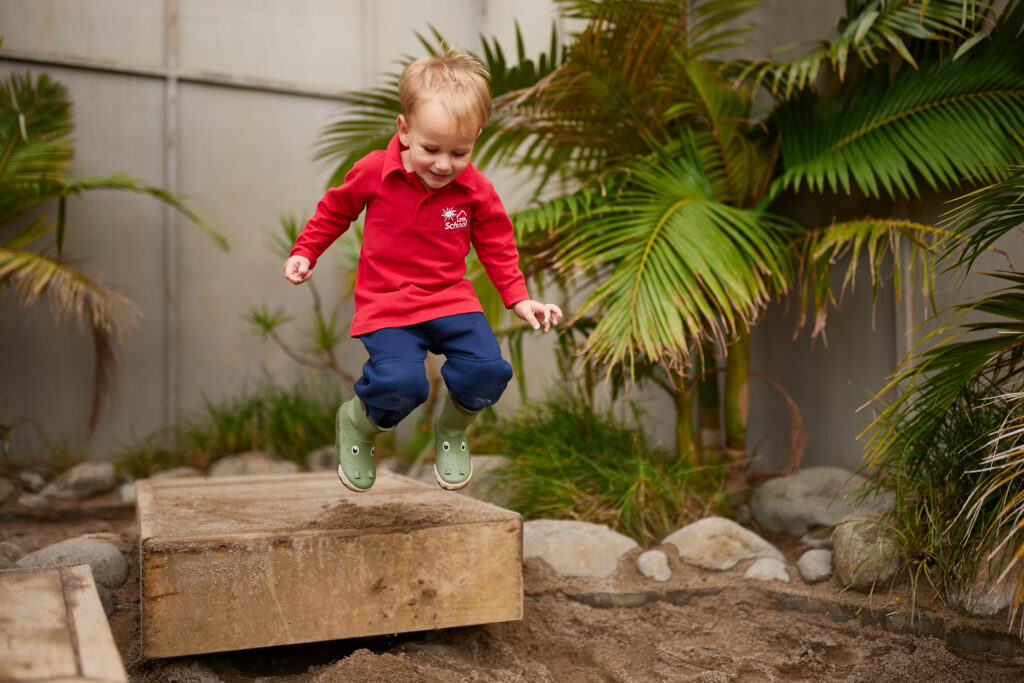
Jumping.

Crawling.

Rolling.

Balancing.

Throwing and catching.


Many of these types of activities also appear in Maria’s developmental activity recommendations and course framework.


The important thing is not to turn every experience into a lesson.


Let children experience it.

Sometimes The Simplest Experiences Are The Richest

A child doesn’t necessarily need an expensive educational toy to experience meaningful sensory learning.


A cardboard box.


A bucket of water.


A handful of stones.


A piece of fabric.


A wooden spoon.


A pile of leaves.


A ball.


A box of blocks.


A patch of grass.


These ordinary things can become extraordinary learning opportunities when children are given the freedom to explore them.


This is one reason loose parts play fits so naturally within Maria’s approach.


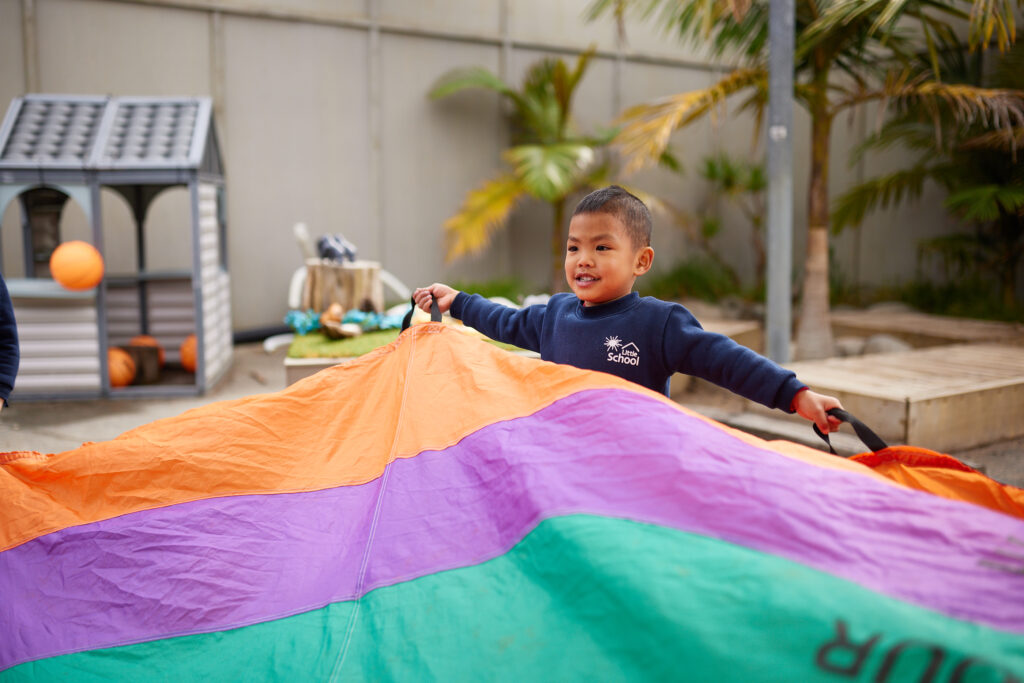
Loose parts can be moved, combined, carried, stacked, arranged and transformed in countless ways, giving children opportunities to explore creativity, problem-solving, fine motor skills and cooperation.
The Adult's Role is Not Always To Provide The Answer

One of the most valuable things we can give young children is time.

Time to explore.


Time to repeat.


Time to make mistakes.


Time to change their minds.


Time to try again.


Time to discover what happens.


Instead of immediately showing the child what to do, try asking:


“What do you think will happen?”

“What could you try?”

“How does that feel?”

“What did you notice?”

“What could you change?”

“Can you find another way?”


These questions allow the child to become an active participant in their own learning.

Look Beyond the Behaviour

Explore our Life Learning Courses!

What our Clients Say!

Check our Recent Blogs

Perhaps this is the most important message for parents, caregivers and educators.

When a child behaves in a way we don’t immediately understand, we can pause.


Instead of:

“Why are they doing that?”


try:

“What are they experiencing?”


Instead of:

“Why won’t they participate?”


try:

“What might be making this difficult?”


Instead of:

“Why do they keep doing that?”


try:

“What are they discovering through this repetition?”


And instead of:

“Why does my child need to move so much?”


try:

“What is movement giving this child an opportunity to experience?”


These questions don’t provide instant answers.


But they can lead us toward something much more valuable:

understanding.

A Child's Sensory World is Bigger Than We Can See

Every day, children are receiving information from their bodies and their environment.


They are learning to organise that information.
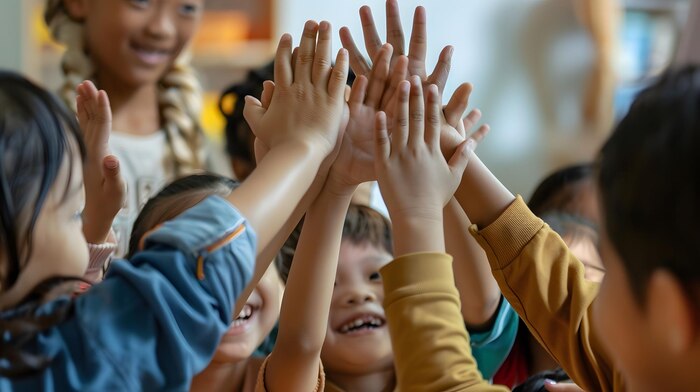
 

They are learning how to respond.


They are learning how their bodies move.


They are learning how the world behaves.


And they are gradually developing the foundations they need to participate, communicate, explore and learn.


Maria’s sensory integration work describes the early years as a crucial period for sensory-motor development, with children learning through their senses and movement as they experience and make sense of their world.


So the next time you see your child touching everything, jumping, spinning, avoiding a texture, repeating an activity or becoming overwhelmed by an environment—

pause.


Look closer.


There is a whole sensory world behind that moment.


And perhaps the most valuable thing we can give a child is not another instruction.
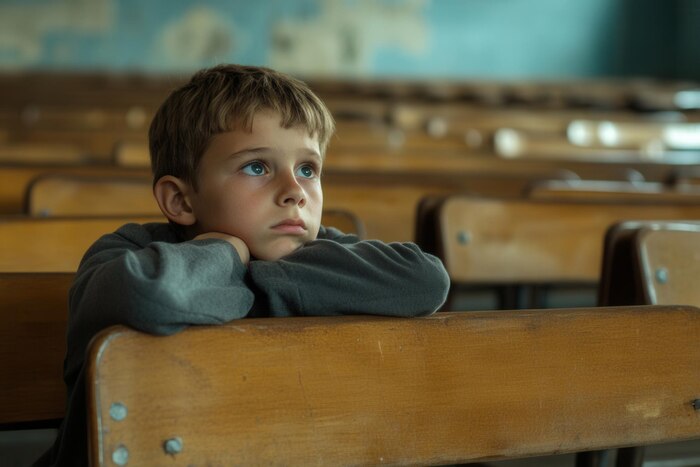
 

It is an opportunity to experience the world.

For Parents, Caregivers and Educators

Today, choose one ordinary experience and slow it down.
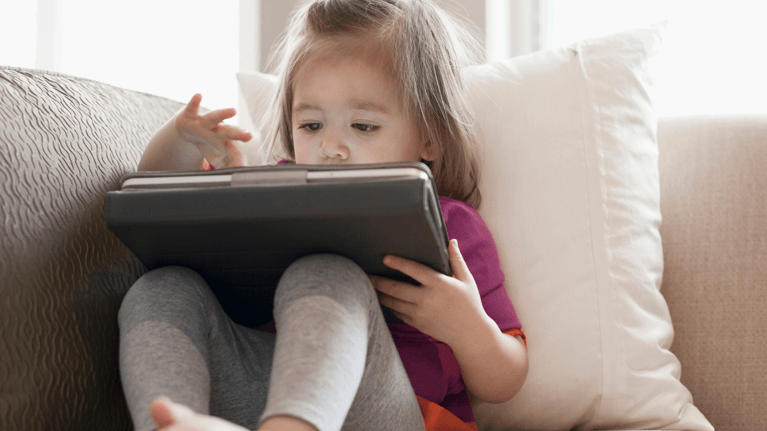
 

Let your child touch it.
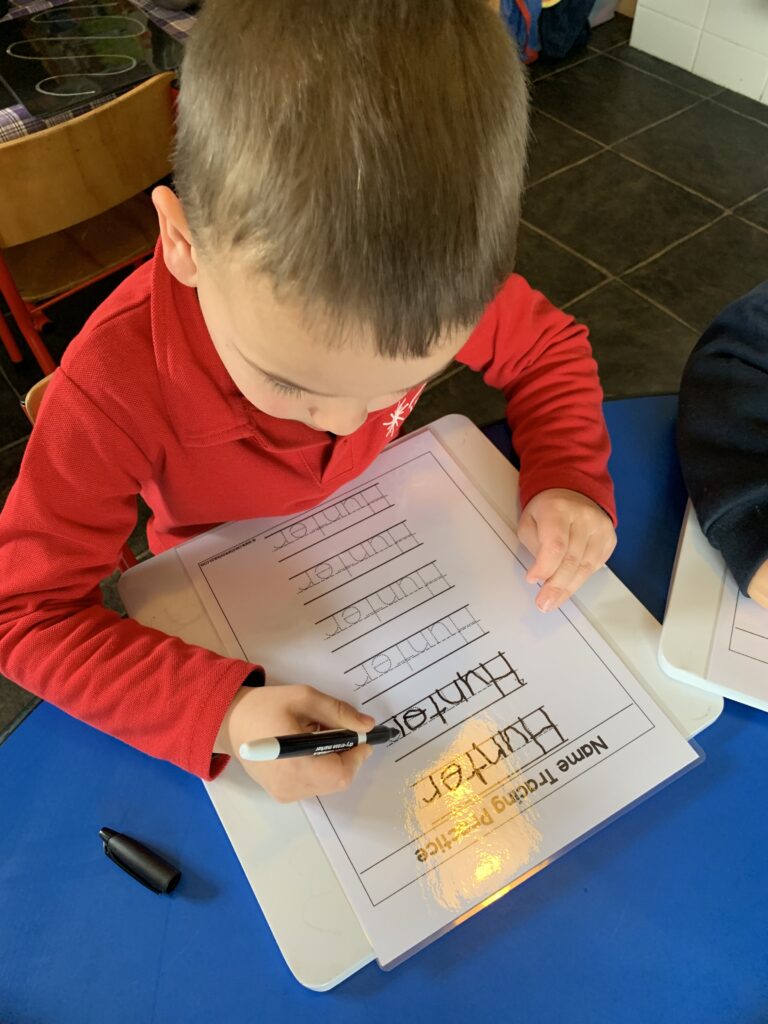
 

Move with it.


Explore it.


Talk about it.


Repeat it.


Change it.


Ask questions.


Watch what they do.


You may discover that what looks like a simple play experience is actually an incredibly rich developmental opportunity.


Children don’t just learn about the world by listening to us describe it.


They learn by experiencing it.

Continue the Learning

Life Learning MENA explores these ideas in greater depth through courses including Understanding Sensory Integration, Sensory-Motor Development, The Vestibular System, Proprioception & Spatial Awareness, A Moving Child, Hand-Eye & Foot-Eye Coordination, The Importance of Play, Loose Parts Play, and The Environment as the Third Teacher.

Featured Life Learning Courses