The Developing Brain: Why the Early Years Matter

Have you ever watched a young child repeat the same song, build the same tower, crawl through the same tunnel, or ask the same question over and over again?

As adults, we sometimes wonder:


“Why do they keep doing that?”


But what may look like repetition to us can be an important part of how a young child learns.


The early years are a remarkable period of development. 


Children are not simply growing taller, learning new words, or becoming more independent. 


Through everyday experiences, their brains and bodies are continually developing the foundations they will use for future learning.


This is why what happens in the early years matters.
The Brain Is Developing Through Experience

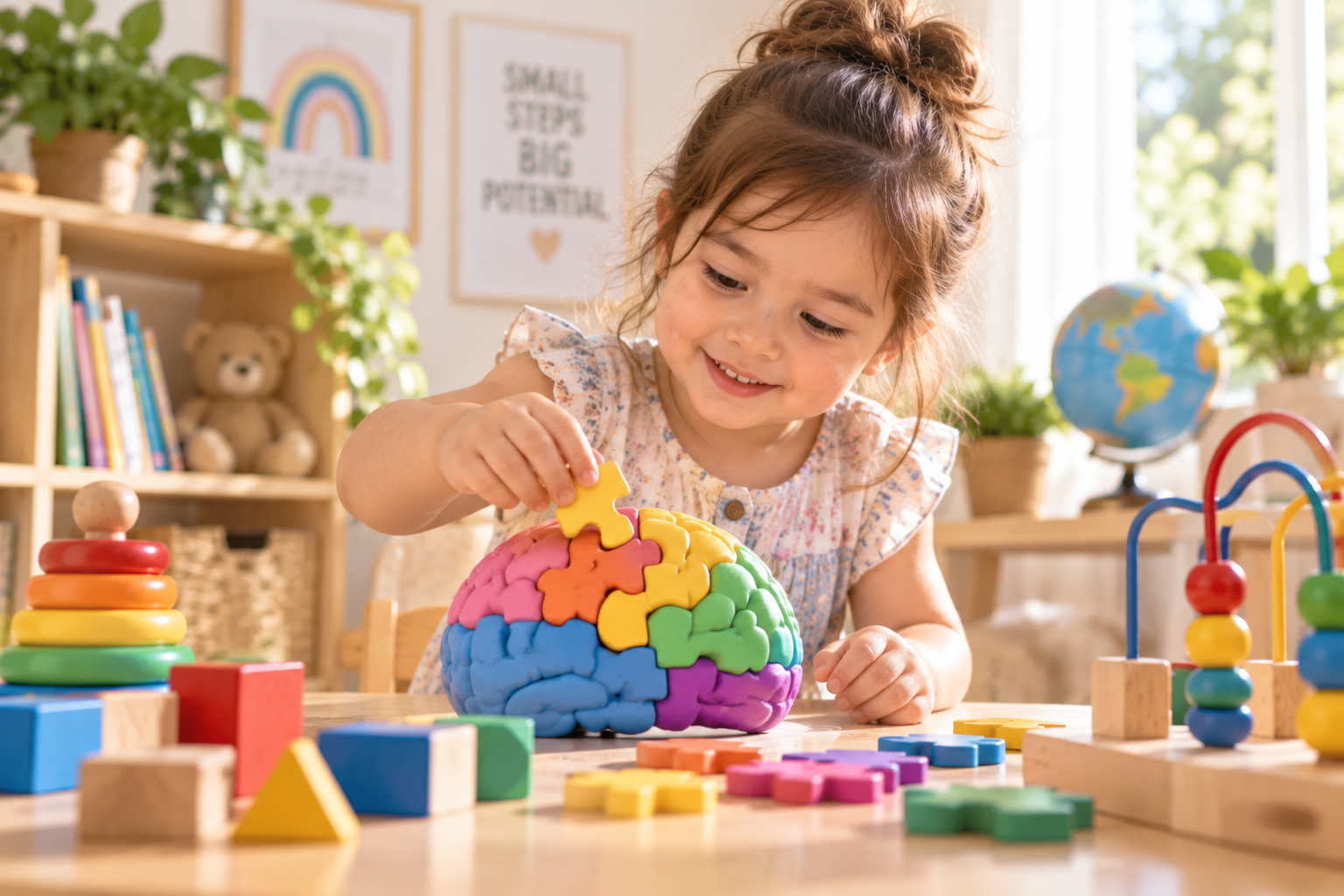
Children are born with neurons, and as they experience the world, connections develop between those neurons.


According to the sensory-motor framework used in Maria Johnson’s work, experiences help develop pathways in the brain. 


When children have repeated or similar experiences, these pathways become stronger, making it easier for the child to learn and respond in the future.


Think about a child who hears the same bedtime story every night.


The adult might think:


“We have read this book so many times!”


But the child may be using that repetition to become familiar with the sounds, words, sequence, pictures, and meaning.


The same principle can be seen in movement.


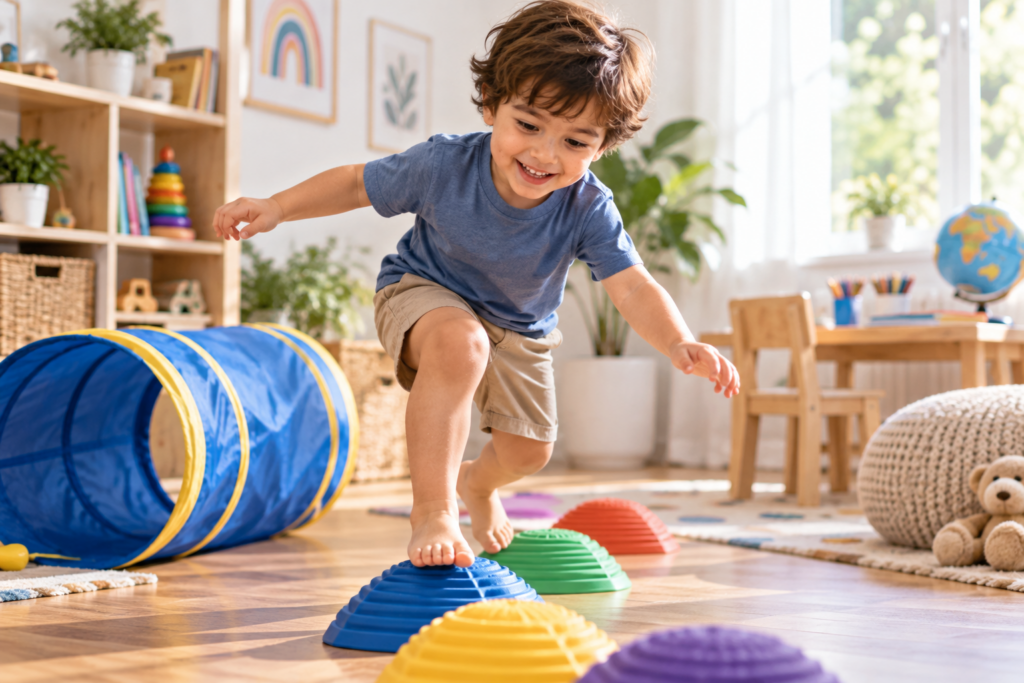
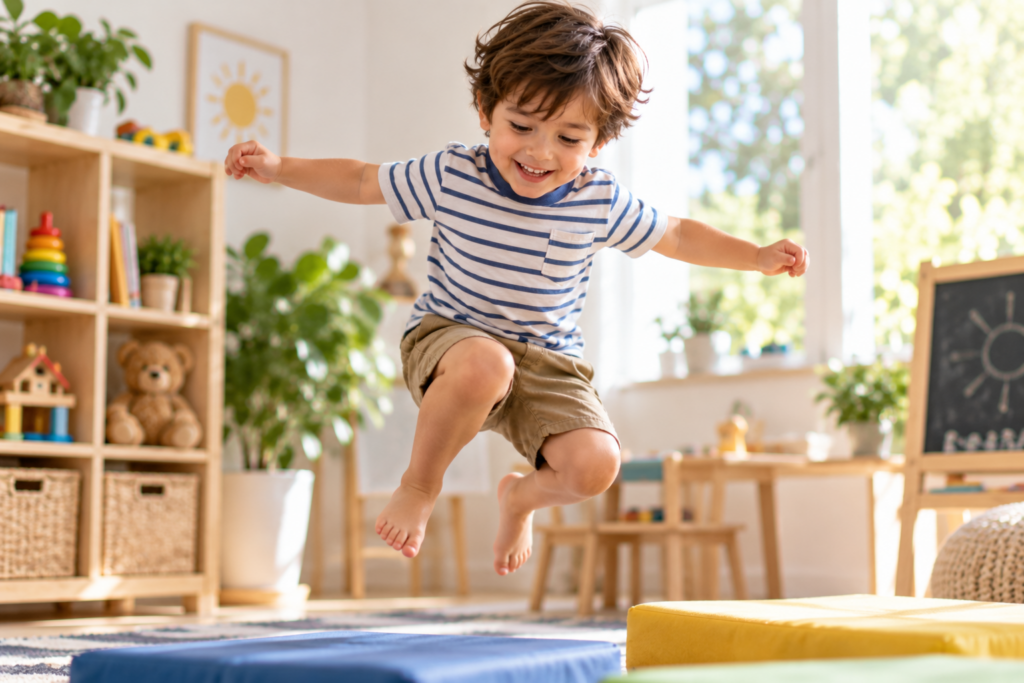
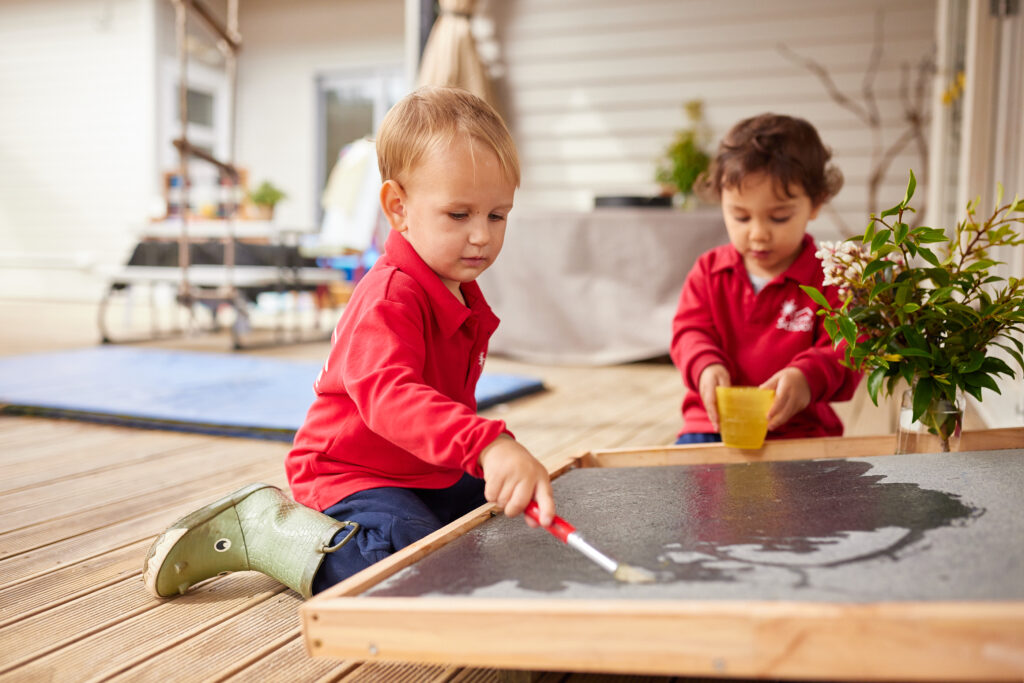
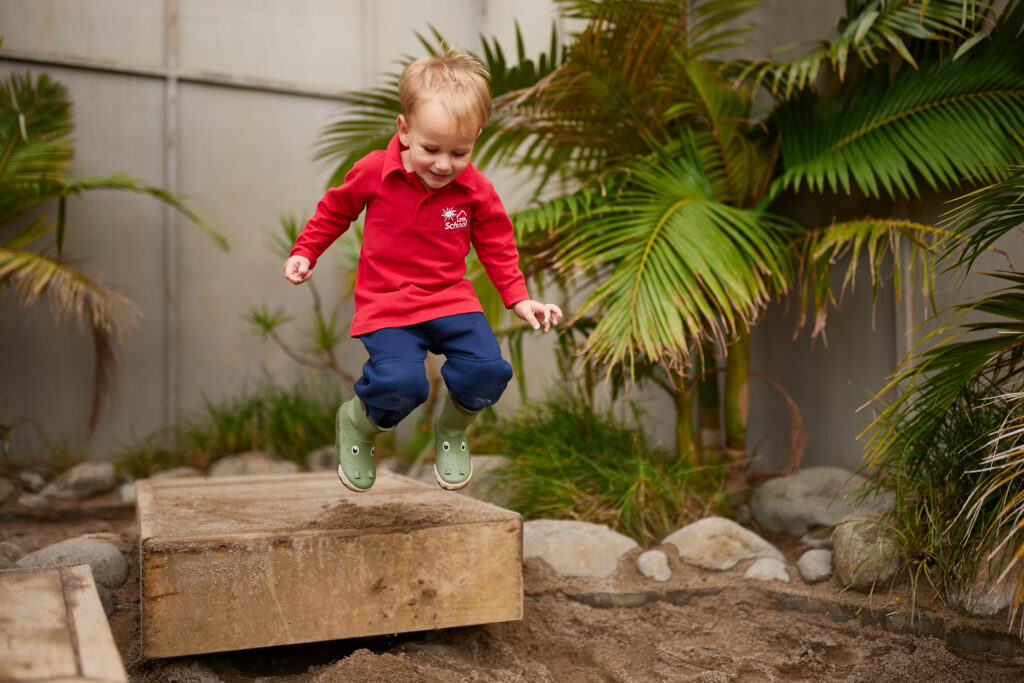
A child who repeatedly climbs, crawls, balances, pours, builds, carries, draws, or manipulates objects is gaining experiences through their body and senses.


They are learning by doing.

Why Are the Early Years So Important?

The source material identifies birth through approximately seven years as a crucial period for sensory-motor development, with particular emphasis on the early years from birth to three and from three to six.


During these years, children are discovering:


  • How their bodies move
  • How much force to use
  • How to balance
  • How to coordinate their movements
  • Where their bodies are in space
  • How to respond to different sounds, textures and movements
  • How to use their hands and fingers
  • How to communicate
  • How to interact with other people
  • How to explore and solve problems
 

These experiences are not separate from learning.


They are part of the foundation for learning.

Before the Worksheet, There Is the Body

When we think about school readiness, we often think about letters, numbers, colours, shapes, or being able to sit at a table.


But children need developmental foundations before many classroom tasks become comfortable.


The sensory-motor material explains that sensory skills and motor skills provide an underlying foundation for academic learning.


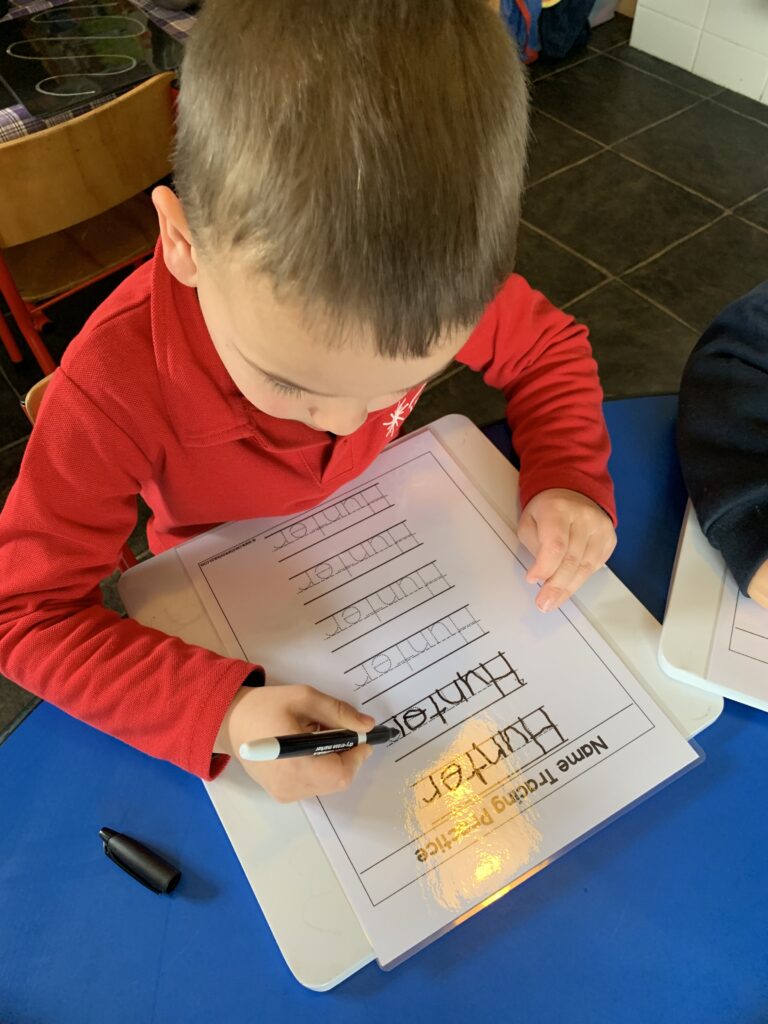
A child doesn’t simply pick up a pencil and suddenly know how to control it.

There has been a developmental journey behind that moment.


The child has been developing:


movement → coordination → hand control → eye-hand coordination → fine motor skills → purposeful action.


Likewise, learning to listen and participate involves more than simply telling a child:


“Pay attention.”


The child is also processing information through their senses, organizing that information and responding to what is happening around them.


This is why looking only at the final classroom behaviour can sometimes cause us to miss what is happening underneath.

Repetition Is Not Wasted Time

One of the most beautiful things about young children is their willingness to repeat experiences.


They may:


  • Pour water again and again.

  • Build a tower and knock it down.

  • Sing the same song repeatedly.

  • Practise opening and closing a container.

  • Crawl through the same space.

  • Draw the same shapes.

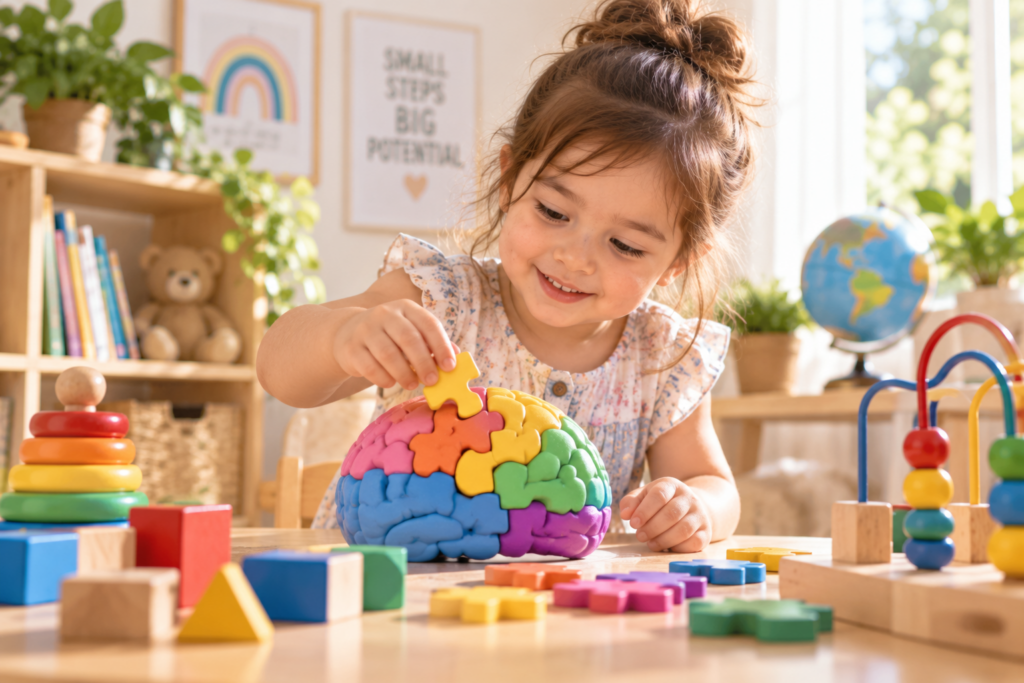
  • Complete the same puzzle.

  • Ask the same question.

Adults may see repetition.


The developing child may be building familiarity and strengthening their understanding through experience.


The sensory integration source specifically describes repetition as an important part of building pathways for learning.


So instead of immediately asking,

“Why does my child keep doing that?”


we can begin asking:


“What is my child learning through this repetition?”


That question changes the way we observe children.

The Brain Does Not Develop in Isolation

Children’s development cannot be separated neatly into individual boxes.


Physical development, sensory experiences, movement, cognitive development, communication, behaviour and social-emotional experiences interact throughout early childhood.


The motor development material describes the early years as a period of rapid brain development and connects motor development and cognitive development with foundations for academic learning.


This gives us an important reminder:


A child is a whole person.


When a child is learning to climb, they are not only developing physical strength.


When they manipulate playdough, they are not only exercising their hands.


When they balance on a beam, they are not simply “getting exercise.”


When they play with loose parts, they are not merely keeping themselves busy.


There can be many layers of development happening within one experience.

What Happens When We Give Children Rich Experiences?

Imagine a simple basket placed in the play area.


Inside are:


  • Pieces of wood
 
  • Fabric
 
  • Cardboard tubes
 
  • Containers
 
  • Stones
 
  • Pegs
 
  • Natural materials
 

There is no single instruction.


No worksheet.


No predetermined finished product.


A child begins exploring.


Perhaps they build.


Then they change it.


Then they carry something.


Then they sort.


Then they balance one object on another.


Another child joins.


They communicate.


They negotiate.


They try again when something falls.


A simple experience has created opportunities for movement, sensory exploration, problem-solving, creativity and social interaction.


This is consistent with the course framework around loose parts, where open-ended materials are used to support creativity, problem-solving, critical thinking, imagination, fine motor development, cooperative play, independence and curiosity.


The learning is not always visible in a worksheet.


Sometimes it is visible in what the child chooses to do next.

So What Can Parents and Educators Do?

We don’t need to turn every moment into a lesson.


Instead, we can create environments where meaningful experiences are available.


Give children opportunities to move.


Climb, crawl, carry, push, pull, balance, reach and explore.


Give children sensory experiences.


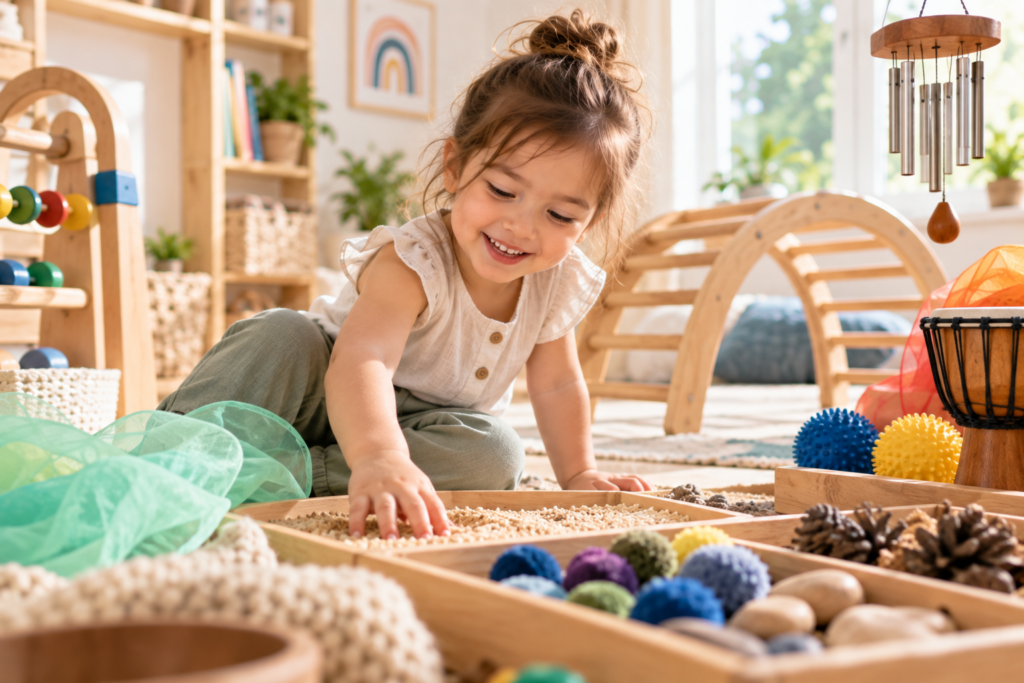
Let them touch different textures, explore natural materials, listen to sounds and experience movement.


Allow repetition.


If something interests a child, give them time to return to it.


Provide open-ended materials.


Materials that can be used in different ways can encourage children to think, experiment and create.


Observe before intervening.


Ask yourself:


What is the child trying to do?

What are they discovering?

What skill are they practising?

What could I provide that would allow them to continue?


These questions can transform the adult’s role from someone who constantly directs learning into someone who creates the conditions for learning to happen.

We Are Not Just Preparing Children for School

Perhaps one of the most important ideas in Maria Johnson’s work is that early childhood education is about building foundations.


The goal isn’t simply to make children ready to complete the next worksheet.


It is to support the development of children who can:


explore, move, communicate, think, create, participate, persevere and continue learning.


The sensory-motor programme described in the source material is intentionally connected to this bigger picture: providing experiences that support the foundations children need for academic learning and lifelong learning.


And that changes the question we ask.


Instead of:


“Is my child ready for school?”


Perhaps we should also ask:


“What foundations are we giving this child for learning?”

Every Experience Can Become Part of the Foundation

A child doesn’t need an expensive toy to develop.


They need opportunities.


Opportunities to move.


Opportunities to explore.


Opportunities to repeat.


Opportunities to make mistakes.


Opportunities to try again.


Opportunities to use their senses.


Opportunities to interact with people.


Opportunities to wonder:


“What happens if I try this?”


The developing brain is continually experiencing, responding and building understanding through the child’s interactions with the world.


That means the everyday moments matter.


The walk outside matters.
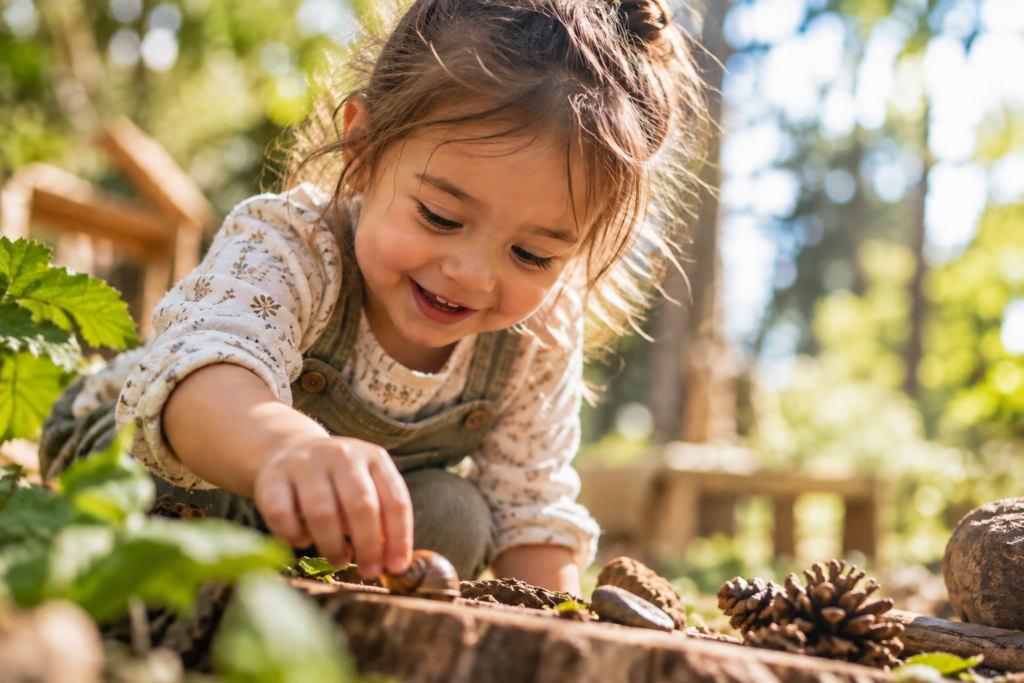
 

The messy play matters.
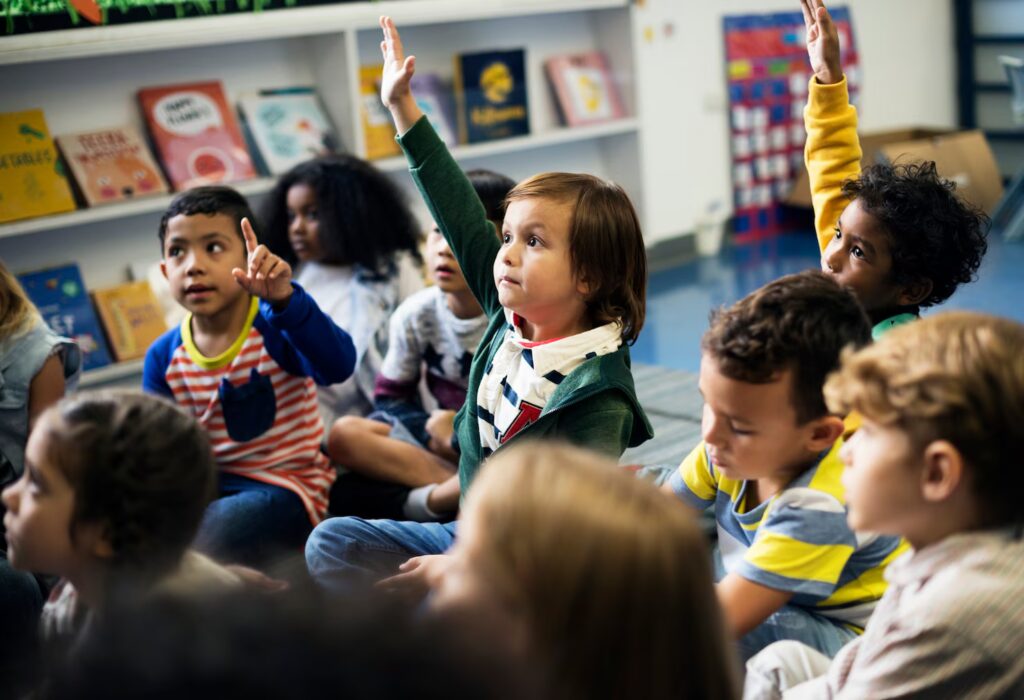
 

The climbing matters.
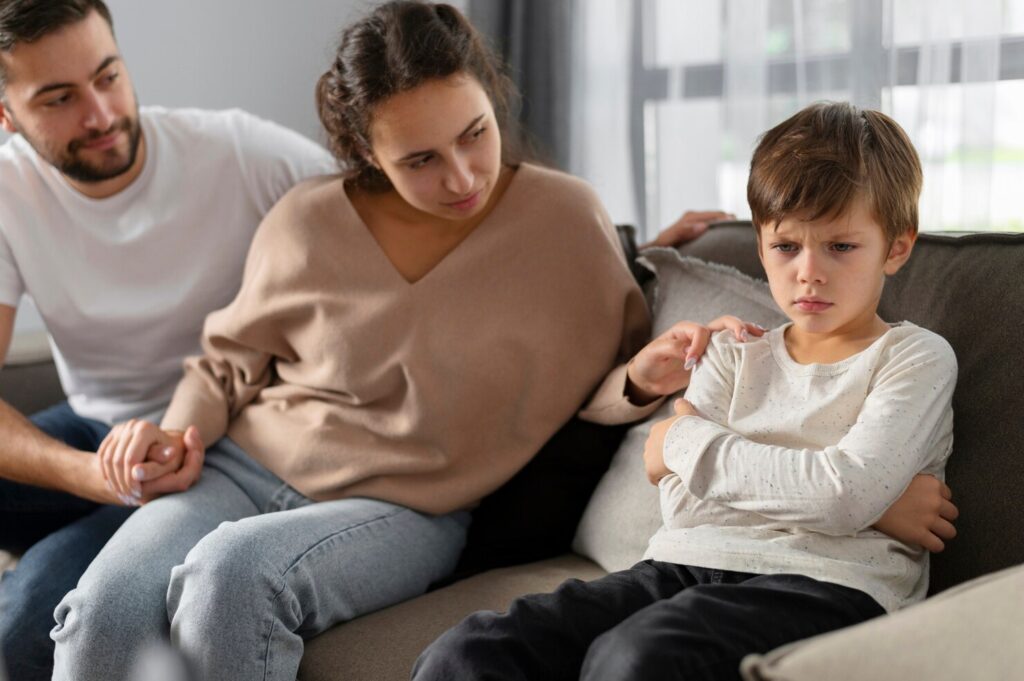
 

The conversation matters.
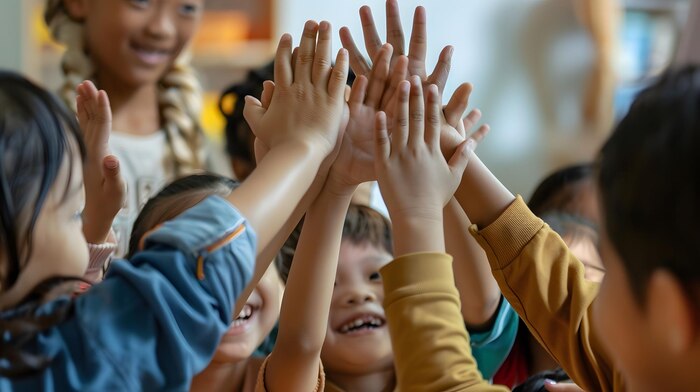
 

The story repeated for the tenth time matters.
 

The tower that falls down matters.
 

Childhood is full of experiences that become foundations.
 

And our role as parents, caregivers and educators is not to rush children through those experiences.
 

It is to notice them.


To value them.


And to create environments where children have the freedom and support to learn through them.

Explore our Life Learning Courses!

What our Clients Say!

Check our Recent Blogs

Continue the Journey

Understanding the relationship between movement, sensory development and learning is explored throughout Life Learning’s professional development courses, including Sensory-Motor Development, A Moving Child, Understanding Sensory Integration, The Vestibular System, Proprioception & Spatial Awareness, Hand-Eye & Foot-Eye Coordination, and The Importance of Play.

Featured Life Learning Courses