Loose Parts Play and Te Whāriki: Ideas for Your Centre
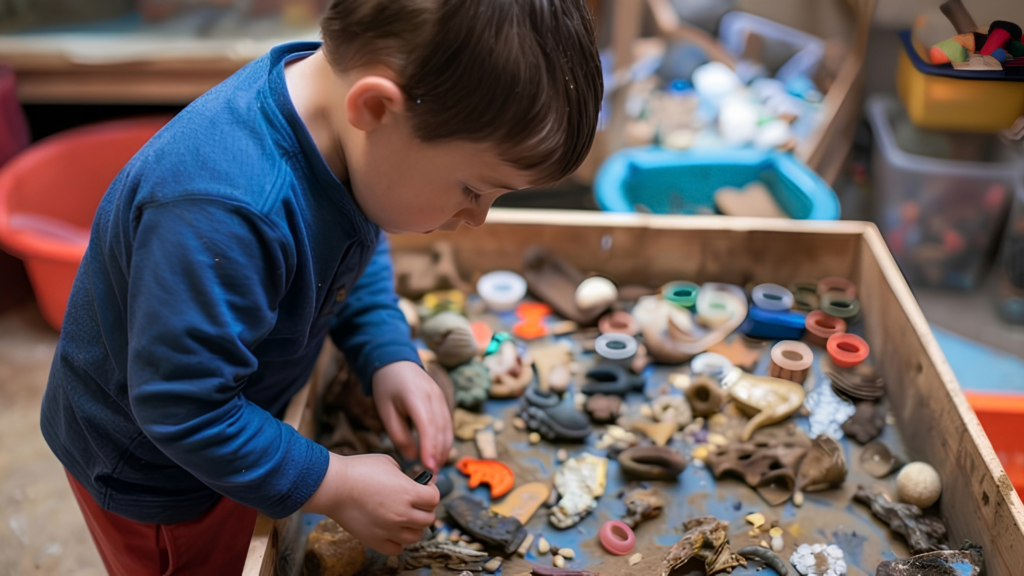
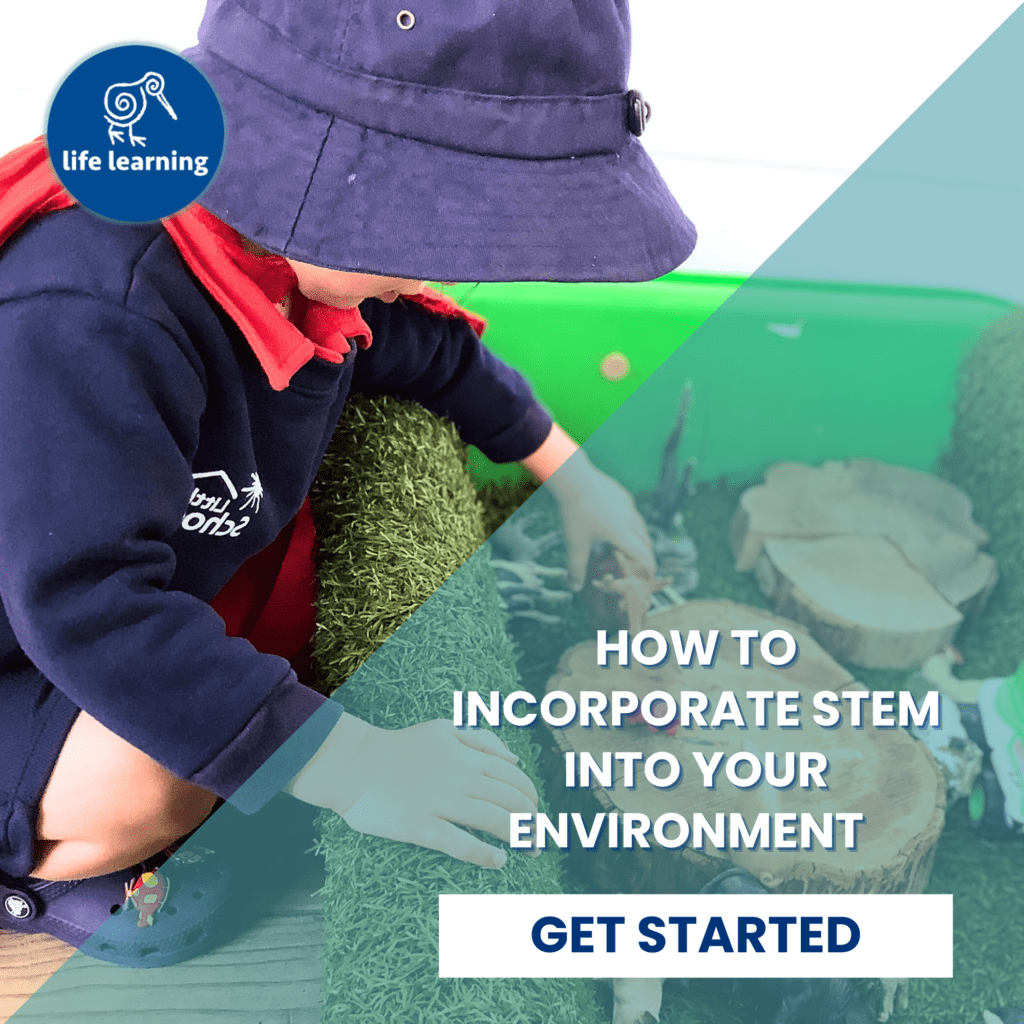
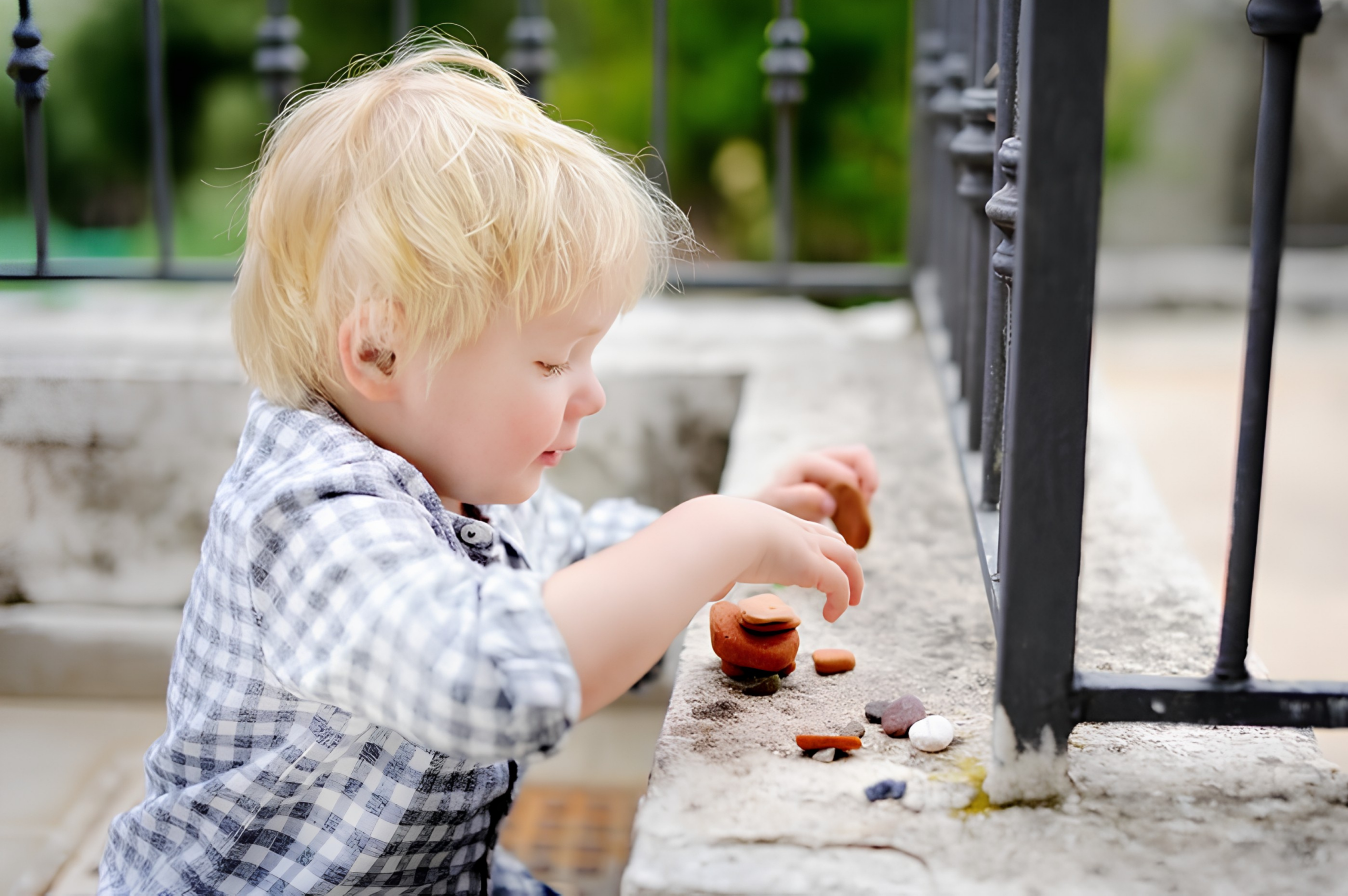
Picture this: a child spends forty minutes at a table of pinecones, fabric scraps and wooden discs. Nobody told them what to make. They build a “nest”, then a bridge, then negotiate with a friend about who owns the bridge. No worksheet or set toy could have produced that learning, and it cost almost nothing.
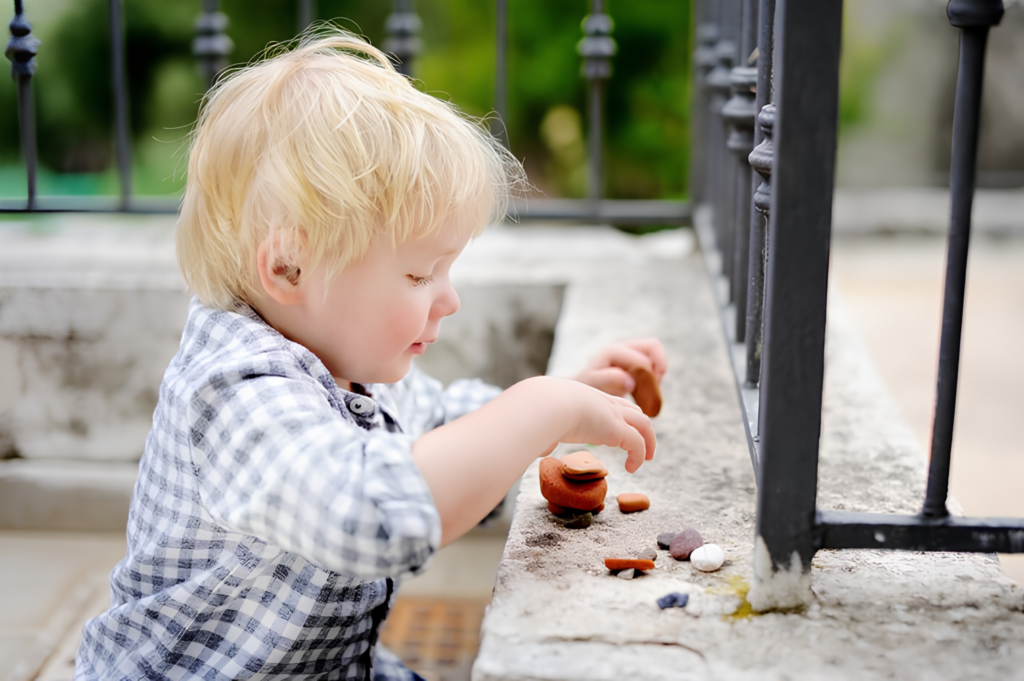
That is loose parts play: play with open-ended materials, such as stones, shells, fabric and cardboard tubes, that children can move, combine and change however they choose. It is one of the simplest ways to bring more curiosity and thinking into your programme, and it links naturally to the strands of Te Whāriki.

In this guide you’ll find what loose parts play is, how it connects to Te Whāriki (with a note for Australian centres using the EYLF), loose parts ideas for toddlers and preschoolers, and a simple way to start this week.
Key takeaways
- Loose parts are open-ended materials children can move, combine and transform in their own way.
- They connect to all five strands of Te Whāriki and to the EYLF outcomes.
- Toddlers and preschoolers need different materials, and safety checks matter for under-threes.
- Natural and recycled materials work well, so you don’t need a big budget.
What is loose parts play in early childhood?
Loose parts are materials with no fixed purpose. A plastic fire truck is a fire truck. A pile of stones, shells, cardboard tubes and lengths of ribbon can become anything, and that’s the point.
The term comes from architect Simon Nicholson, who argued in 1971 that the more variables an environment has, the more chances children have to be inventive (Nicholson, 1971). Today it is widely used in early childhood education, including in Lisa Daly and Miriam Beloglovsky’s book Loose Parts: Inspiring Play in Young Children (2014). It fits closely with play-based and Reggio-inspired practice, where the environment acts as a “third teacher”.
Want to set this up in your own centre?
Our Loose Parts course gives you practical strategies to set up and use loose parts in your own centre or home.
How does loose parts play link to Te Whāriki?
Loose parts play supports all five strands of Te Whāriki, the New Zealand early childhood curriculum (Ministry of Education, 2017). Here’s how it can look in practice:
- Wellbeing (Mana atua): Open-ended play is calming and absorbing. Children choose their own pace and build confidence without a “right” answer.
- Belonging (Mana whenua): Local natural materials, such as river stones, driftwood and pinecones, connect children to their place and community.
- Contribution (Mana tangata): Shared materials invite turn-taking, negotiation and working together on a bigger creation.
- Communication (Mana reo): Children explain their ideas, tell stories about what they’ve made and use new vocabulary as they compare, count and describe.
- Exploration (Mana aotūroa): Testing, balancing, sorting and problem-solving are exploration in action.
For centres in Australia, loose parts play also connects to the EYLF learning outcomes, including children having a strong sense of wellbeing, being confident and involved learners, and being effective communicators (Australian Government Department of Education, 2022).
What are examples of loose parts for toddlers and preschoolers?
Think in categories, then collect gradually. What suits a two-year-old is different from what suits a four-year-old, so here are ideas for each age group.
Loose parts ideas for toddlers (1 to 3 years)
- Large fabric scraps, scarves and lengths of ribbon
- Wooden rings, blocks and tree cookies (wood slices)
- Baskets, tubs and containers for filling and emptying
- Cardboard tubes and small boxes
- Large, smooth river stones and pinecones (all bigger than a choke tube)
Safety note: For children under three, or any child still mouthing objects, choose pieces larger than a small-parts (choke) tube and supervise closely. Check materials regularly for splinters, sharp edges, mould and damage.
Loose parts ideas for preschoolers (3 to 5 years)
- Natural: sticks, shells (checked for sharp edges), seed pods, leaves, driftwood, harakeke (flax)
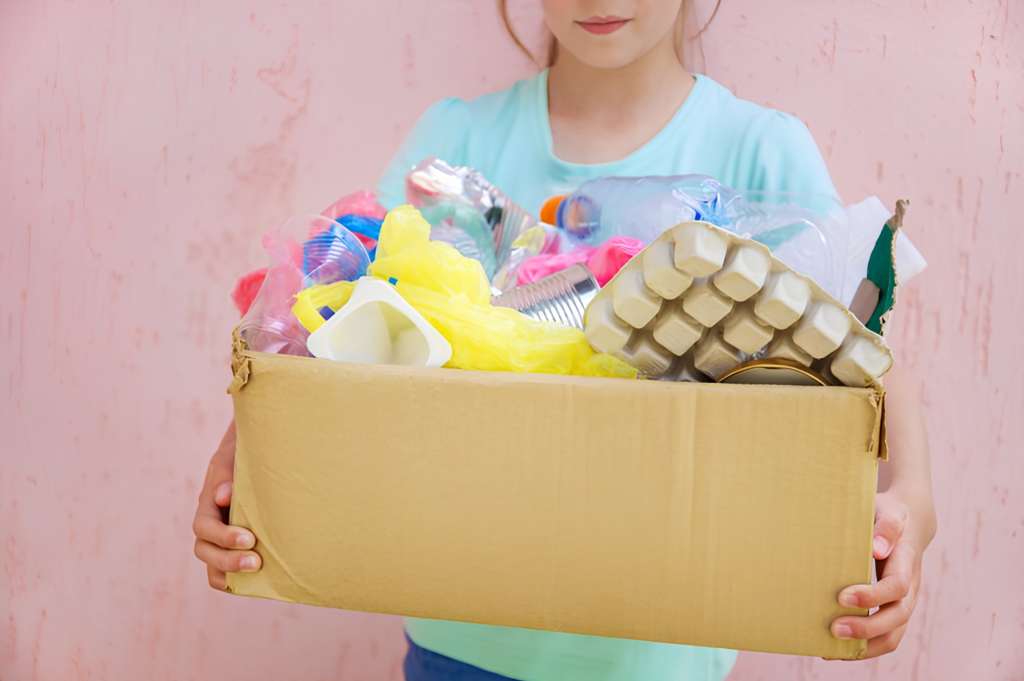
- Recycled: bottle tops, corks, egg cartons, clean containers, cardboard offcuts
- Textiles: felt, netting, wool, fabric offcuts
- Household and hardware: wooden spoons, pegs, curtain rings, large nuts and washers, baskets
- Bigger building materials: planks, crates, tyres, guttering, pipes
If you use harakeke, learn the tikanga around harvesting it first, and involve whānau or local iwi where you can. It’s also a lovely way to connect children with place.
How do you start with loose parts in your centre?
You don’t need to overhaul your space. Start small:
- Choose one area. A shelf, a table or a corner of the outdoor space is enough.
- Start with 3 to 5 types of material. Too many can overwhelm.
- Display them invitingly. Baskets, trays or wooden bowls show children the materials are valued.
- Observe before you step in. Notice what children choose, combine and ignore.
- Extend and document. Add a new material or question based on what you saw, and record it with photos and quotes to share with whānau.
Loose parts starter checklist
- I’ve chosen one area to start with
- I have 3 to 5 types of material, all age-appropriate and safety-checked
- Materials are at child height in open baskets or trays
- I’ve set aside time to observe without directing
- I have a way to record what happens (photos, quotes, learning stories)
How can educators support loose parts play without taking over?
The hardest shift is holding back. Instead of “What are you making?” (which can make children feel they need a finished product), try:
- “Tell me about your idea.”
- “What happens if you add this?”
- “I noticed you moved all the round ones together. What were you thinking?”
Comment on the process, not just the result. Photos and children’s own words also make learning visible to whānau, and our Reggio documentation course explores documentation in more depth.
Frequently Asked Questions
What is loose parts play in early childhood?
Loose parts play is play with open-ended materials, such as stones, fabric, shells and cardboard tubes, that children can move, combine and change in their own way. There is no set outcome, so children lead the thinking and educators observe and extend.
What are good loose parts ideas for toddlers?
Start with large, safe items such as fabric scraps, wooden rings, baskets, cardboard tubes and smooth river stones bigger than a choke tube. Supervise closely and check items regularly for damage.
How does loose parts play support Te Whāriki?
It supports all five strands: wellbeing, belonging, contribution, communication and exploration. Children make choices, work with others, use language and explore ideas using materials from their own place.
Is loose parts play safe for under-threes?
It can be, with the right materials and supervision. Choose pieces larger than a small-parts (choke) tube, avoid anything small enough to be swallowed, and check materials often for splinters, sharp edges and mould.
Do I need to buy loose parts?
No. Natural and recycled materials such as stones, shells, fabric offcuts, cardboard and corks work well and cost little or nothing. You can also ask whānau to contribute items.
Can parents do loose parts play at home?
Absolutely. A box of kitchen items, natural finds from a walk and clean recycled packaging is a great start. Keep small items away from babies and toddlers who still mouth objects.
Take Your Practice Further
If you’d like practical guidance on setting up and using loose parts in your own centre or home, explore our Loose Parts course. You might also enjoy our Environment as a Third Teacher, Outdoor Play and What is STEM? courses.
Take Your Practice Further
If you’d like practical guidance on setting up and using loose parts in your own centre or home, explore our Loose Parts course. You might also enjoy our Environment as a Third Teacher, Outdoor Play and What is STEM? courses.