Why Do Some Children Thrive At School While Others Struggle?
The Brain Foundations Every Parent Needs to Know

When School Doesn't Go As Expected

Are We Asking the Wrong Question?

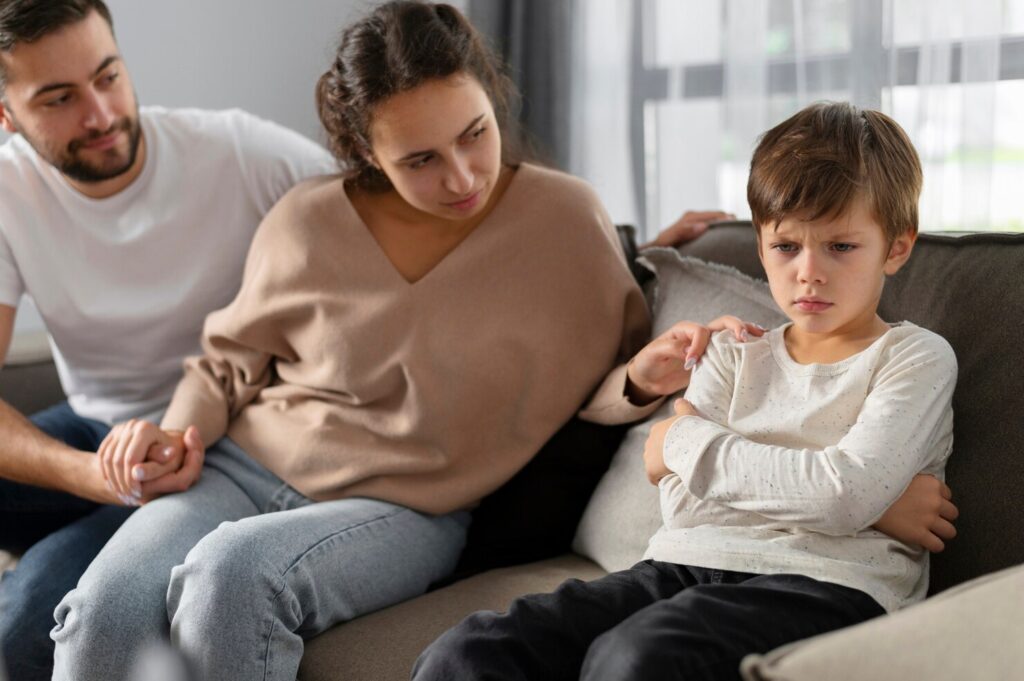
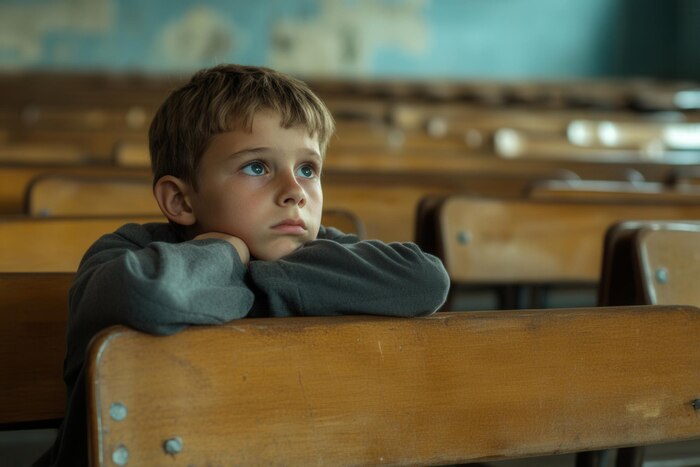
As a parent, there is perhaps nothing more heartbreaking than watching your child struggle.


You begin searching for answers…


But what if we have been asking the wrong question all along?


What if the issue is not what is wrong with the child?


What if the question should be:


Were the foundations for learning ever properly built?


This question has become the driving force behind my work as the founder of Life Learning and my preschools, Little School.


It is a question that has challenged much of what I once believed about education, school readiness and child development.


Over the years, I have worked with thousands of children, families, teachers and educational leaders.


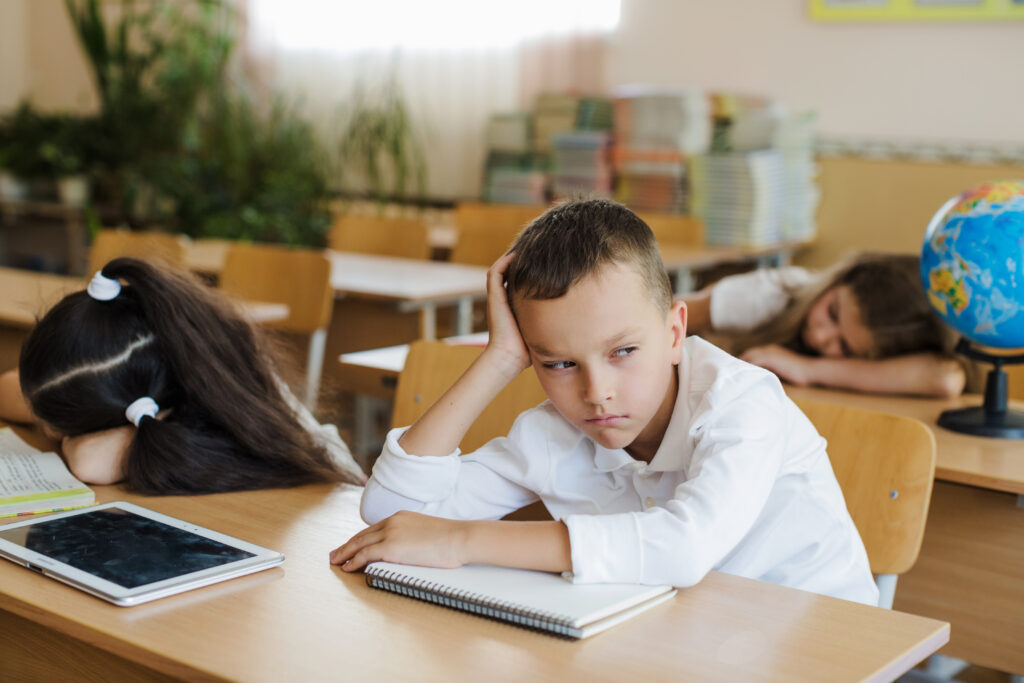
I have seen children labelled as disruptive who simple needed movement.


I have seen children identified as poor learners who lacked critical developmental foundations.


I have seen children struggle emotionally because their sensory systems were overwhelmed.


And I have seen remarkable transformations occur when we stop focusing on the symptoms and start focusing on the foundations.

Learning Begins Long Before Reading and Writing

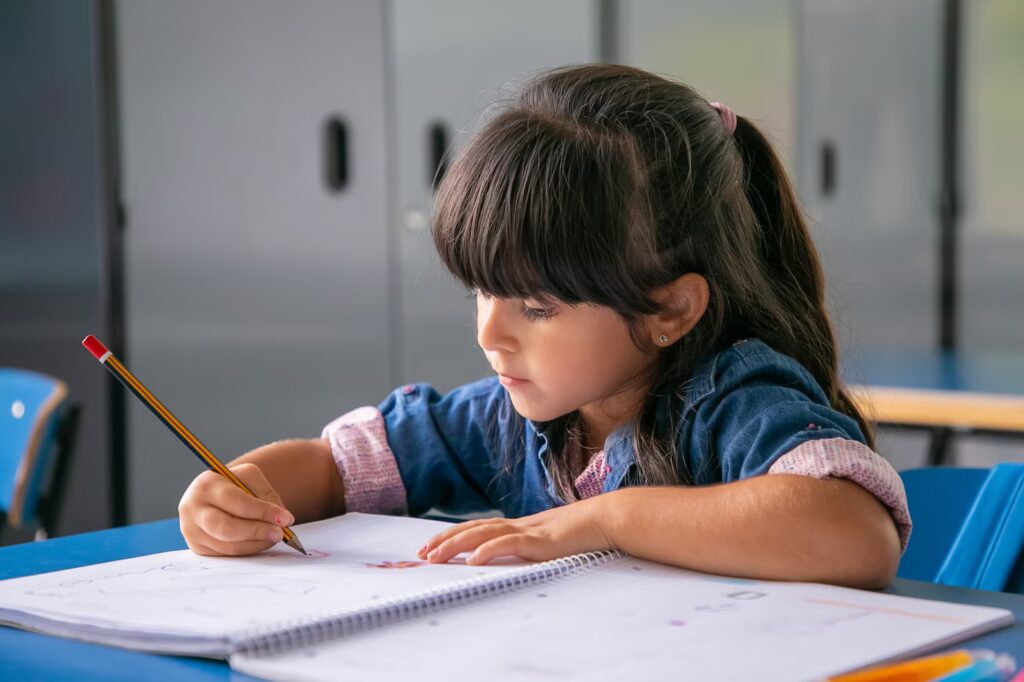
The reality is that learning does not begin when a child opens a reading book or picks up a pencil.


Learning begins much earlier.


It begins in the body.

It begins through movement.

It begins through the senses.

It begins through the development of the brain itself.


This is where I believe were sometimes lose sight of how children actually learn.


We have become increasingly focus on academic outcomes, yet many children are being expected to sit still, concentrate, regulate their emotions, process complex information and perform academically before the foundations that support these are fully established.


Imagine building a house.

No sensible builder would start with the roof.


They would begin by laying strong foundations.

The taller the building, the deeper and stronger those foundations need to be.


Yet in education, we often focus on the roof.


We celebrate early reading.

We push writing.

We accelerate academic expectations.

We introduce increasingly structured learning at younger ages.


Then we wonder why some children struggle.

Academic Readiness vs Developmental Readiness

At Life Learning and Little School, we believe that before children are academically ready, they must first be developmentally ready.


That distinction is critical.


Academic readiness asks whether a child can recognise letters, count numbers or write their name.


Developmental readiness asks whether the brain and body have developed the foundations required to support learning.


Can the child regulate their emotions?

Can they coordinate both sides of their body?

Can they process sensory information efficiently?

Can they balance?

Can they concentrate?

Can they sit comfortably without their body desperately seeking movement?

Can they visually track across a page?

Can they listen, process and respond to information?


These are the hidden foundations of learning.


Most people never see them.

Yet they influence every aspect of a child’s success at school.

The Childhood Experiences We Are Losing

One of the reasons many children struggle today is that childhood itself has changed.


Children are spending less time outdoors than previous generations…


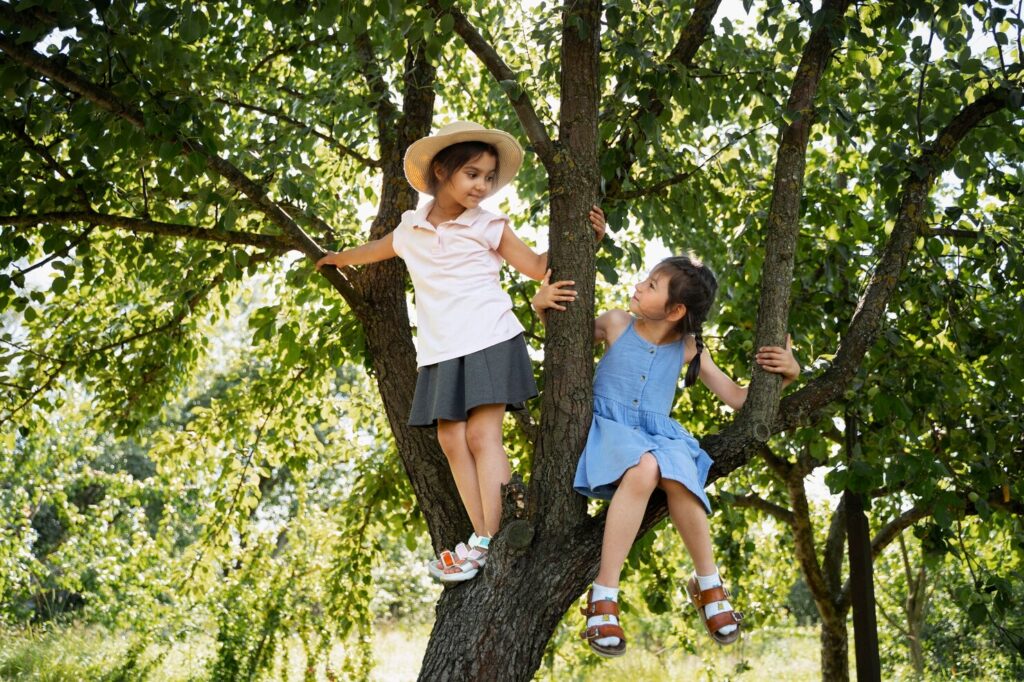
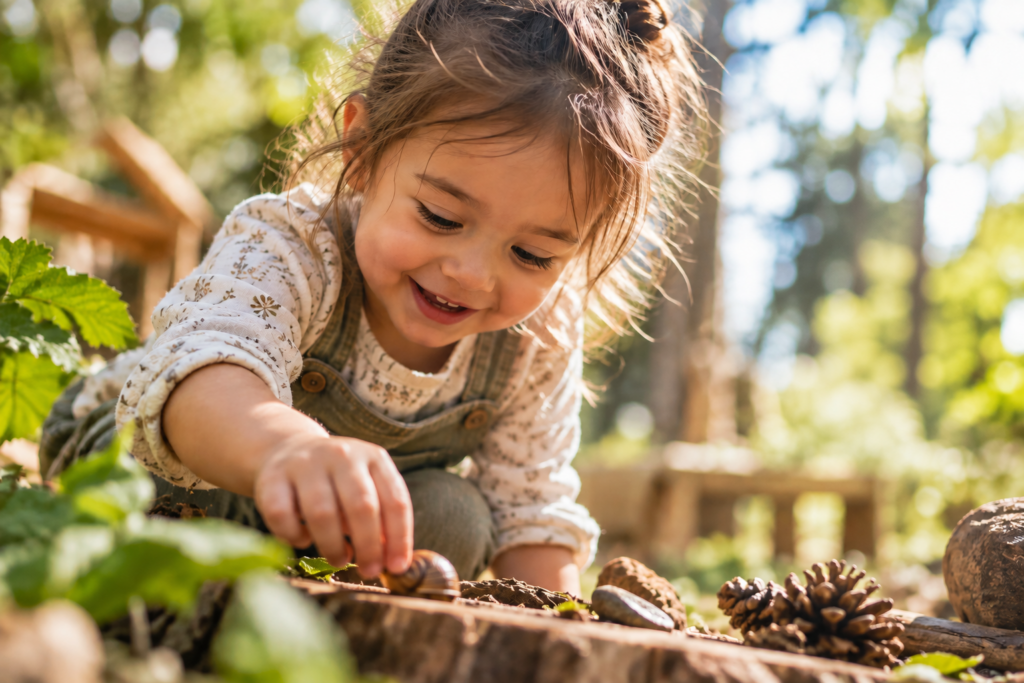
Opportunities to climb trees, roll down hills, balance on logs, builds forts, swing, spin, crawl, jump and explore have become less common for many children.


At the same time, academic expectations continue to increase.


The irony is extraordinary.


The very experience that help build the brain are often the experiences disappearing from children’s lives.

What the Research Is Beginning to Show

For many years, I have watched children learn through movement, play, exploration and outdoor experiences.


Long before I began studying sensory integration and brain development, I could see the difference these experiences made.


Today, research is helping us understand why.


A large study involving more than 10,000 preschool children found that outdoor play was associated with stronger school readiness, including cognitive and social-emotional development.


Other research has highlighted the role of outdoor play and physical activity can play in supporting executive functions such as attention, self-regulation, working memory and cognitive flexibility.


These are the very skills children rely on every day in the classroom.

This should not surprise us.


When children are outdoors, they are constantly learning.


They are solving problems.

Taking manageable risks.

Negotiating with others.

Testing ideas.

Developing confidence in their bodies.

Making sense of the world around them.


These experiences build far more than physical skills.

They help build the foundations for learning itself.

Why Movement Matters More Than We Think

Research consistently demonstrates that movement plays an important role in healthy brain development.


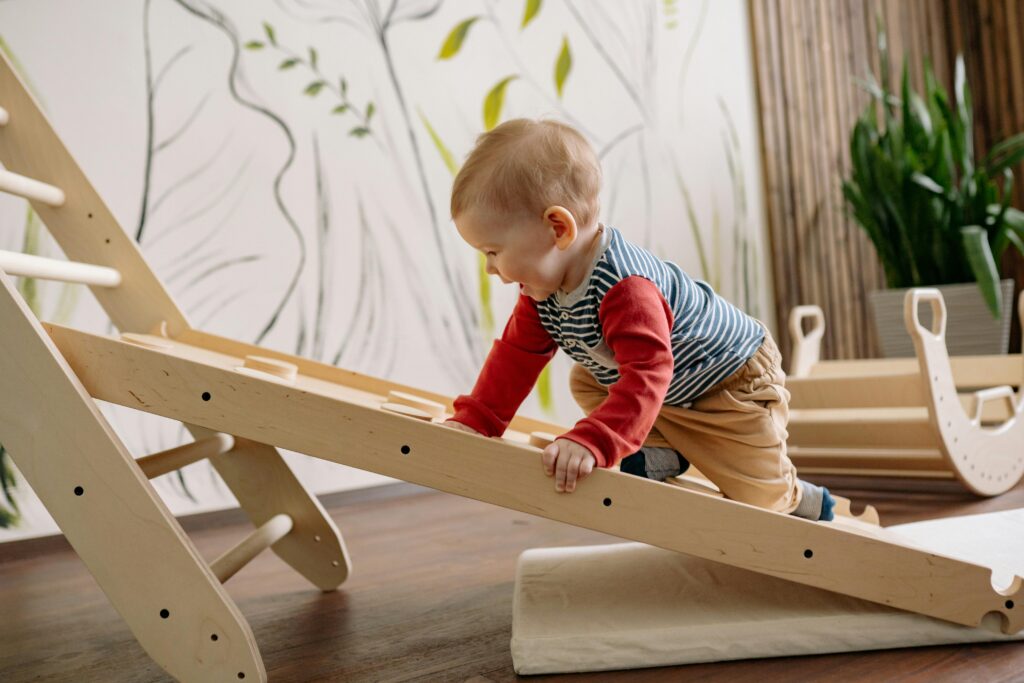
Every time a child crawls, climbs, balances, swings, rolls, spins or jumps, the brain is receiving information, creating connections and strengthening pathways that support future learning.


Movement is not simple a break from learning.


For young children, movement is one of the primary ways learning occurs.

The Philosophy Behind Little School

This understanding sits at the heart of the Sensory Motor Integration Programme we have developed at Little School.


Over many years, I became increasingly concerned that children were being expected to perform academically before key developmental foundations were in place.


I began studying child development, brain development, sensory integration, movement and learning.


What I discovered transformed the way I viewed education forever.


I came to understand that children develop in a sequence.


Before higher-level thinking can flourish, foundational systems  need opportunities to develop.


Children need movement.

They need sensory experiences.

They need balance.

They need body awareness.

They need opportunities to strengthen neural pathways through active engagement with their environment.


When these foundations are strengthened, learning often becomes easier, more enjoyable and more successful.


This understanding became the foundations of Little School’s approach to education and eventually the foundations of Life Learning, where we now share this knowledge with educators and parents.


To my knowledge, Little School remains the only preschool in New Zealand with a comprehensive Sensory Motor Integration Programme embedded at the heart of everything children do, with teachers specifically trained in its importance and implementation.

Strong Foundations Change Everything

Every movement has purpose.

Every activity has intention.

Every experience contribute to building stronger foundations.


Because if we want children to thrive academically, socially and emotionally, we must first ensure the foundations are strong enough to support that success.


Perhaps the most important message for parents is this:

A child who is struggling is not necessarily incapable of learning.


Sometimes the foundations are still developing.


When we understand how children grow, move and learn, we are better able to support them in ways that build confidence, capability and lifelong success.

Take Your Learning Further

Go beyond the blog with practical, evidence-informed training

designed for educators, parents, and professionals.

Take Your Learning Further

Go beyond the blog with practical, evidence-informed training designed for educators, parents, and professionals.

Leave a Reply

Your email address will not be published. Required fields are marked *