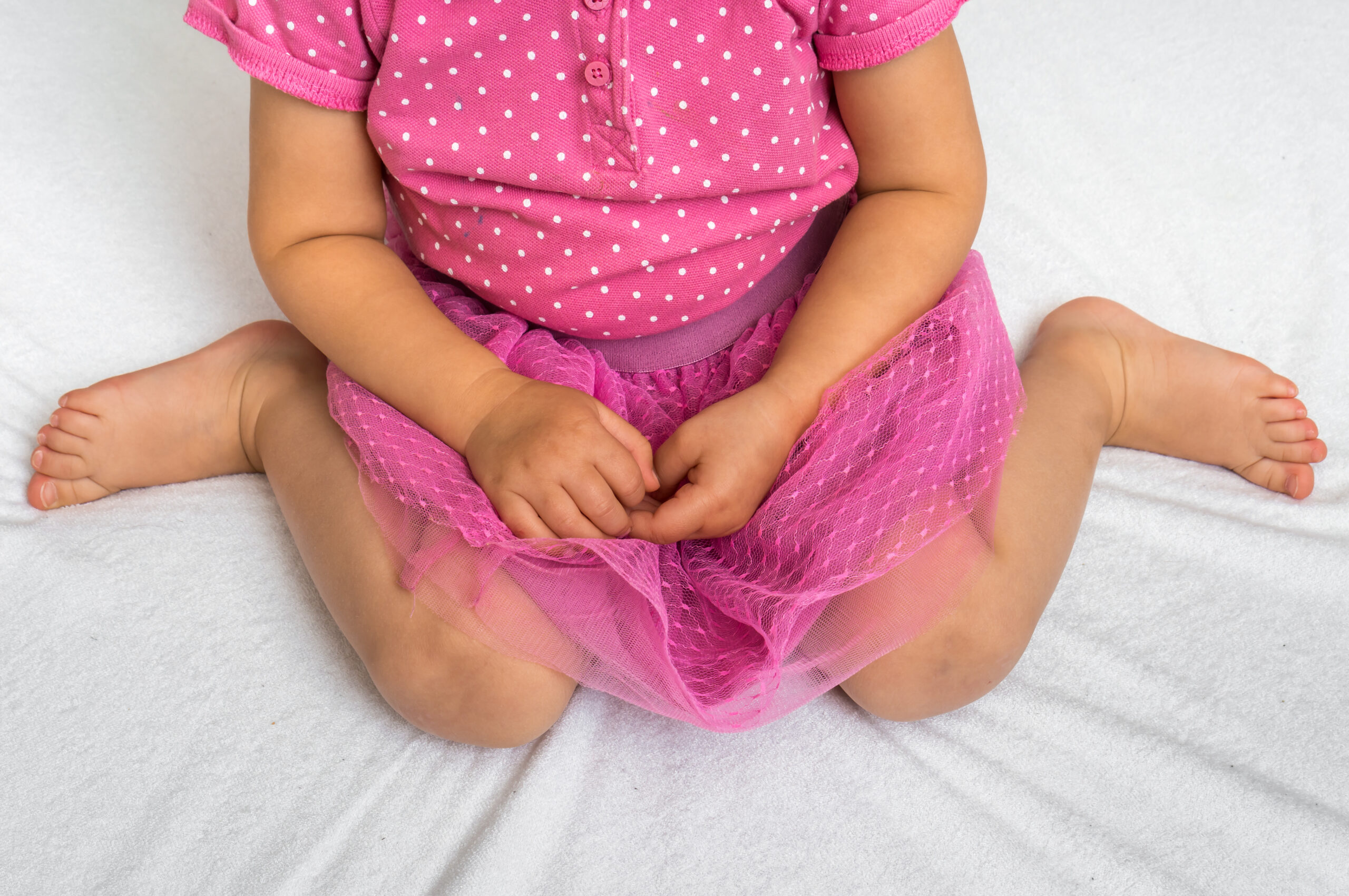
Child sitting in a certain position, which is called W-sitting. W-sitting can cause to hip dislocation.

W-Sitting and Primitive Reflexes: What Your Child’s Sitting Position Could Be Telling Us

Why Do Children W-Sit?

Could Primitive Reflexes Be Involved in W-Sitting?

This is an area I explore extensively through Life Learning’s primitive reflex training.

Want to understand primitive reflexes in more depth?
Explore our primitive reflex training for educators and parents to understand early movement development and its place in learning.

Symmetrical Tonic Neck Reflex (STNR)

This is the reflex I would pay particular attention to. The STNR helps coordinate head, arm and leg movements during early development, particularly around crawling. In reflex-based developmental approaches, a persistent STNR response is sometimes associated with W-sitting, difficulty maintaining posture and challenges coordinating upper and lower body movements.

Tonic Labyrinthine Reflex (TLR)

The TLR is associated with head position, gravity and early muscle tone. When considering a child’s postural development, I want to understand how effectively they can balance and maintain an upright position.

Asymmetrical Tonic Neck Reflex (ATNR)

The ATNR influences early relationships between head and limb movements. As children mature, they develop greater independence between these movements, supporting coordination, trunk rotation and crossing the body’s midline.

W-sitting alone does not establish that any of these reflexes remain active. However, when it occurs alongside other movement difficulties, I believe these developmental foundations deserve closer investigation.

When Should Parents and Teachers Be Concerned?

Rather than focusing on W-sitting alone, I encourage parents and teachers to observe whether a child:

  • almost always W-sits and avoids other sitting positions
  • struggles to sit cross-legged or maintain an upright posture
  • frequently falls, appears clumsy or has difficulty balancing
  • finds crawling, climbing or coordinated movements challenging
  • has difficulty reaching across their body or rotating their trunk

These signs do not necessarily indicate retained reflexes, but they are reasons to look more closely at the child’s physical development.

Seven Activities I Recommend for Parents and Teachers

The good news is that we can provide wonderful opportunities to develop children’s physical foundations through everyday movement and play, both at home and in educational settings.

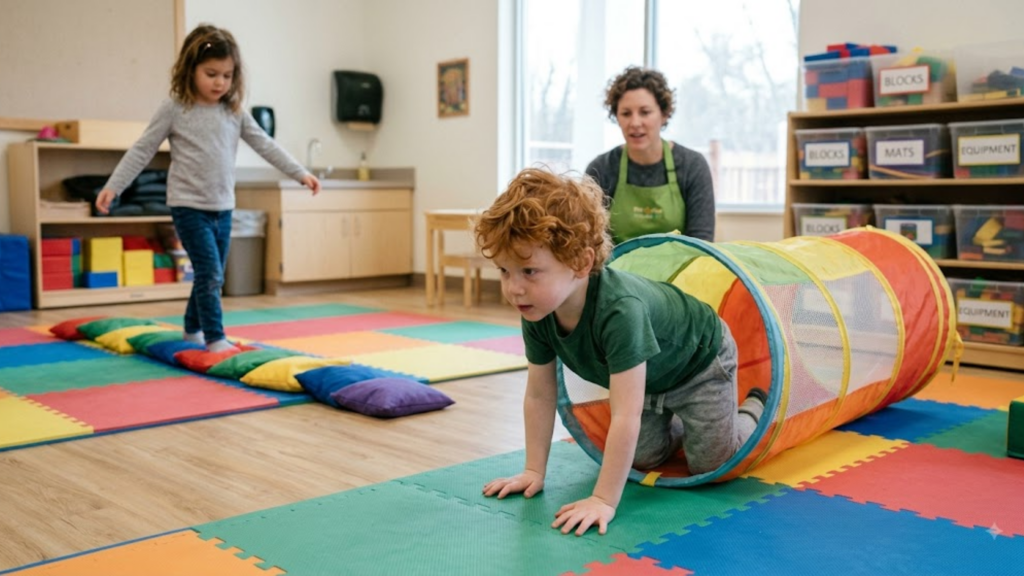
  1. Crawling and tunnels: Encourage hands-and-knees crawling through tunnels and obstacle courses. This supports trunk stability, shoulder strength and coordination between the arms and legs.
  2. Cross-crawling: Have children touch their right hand to their left knee, then alternate. This encourages bilateral coordination and crossing the midline.
  3. Animal walks: Bear walks, crab walks and other animal movements develop strength, coordination and body awareness.
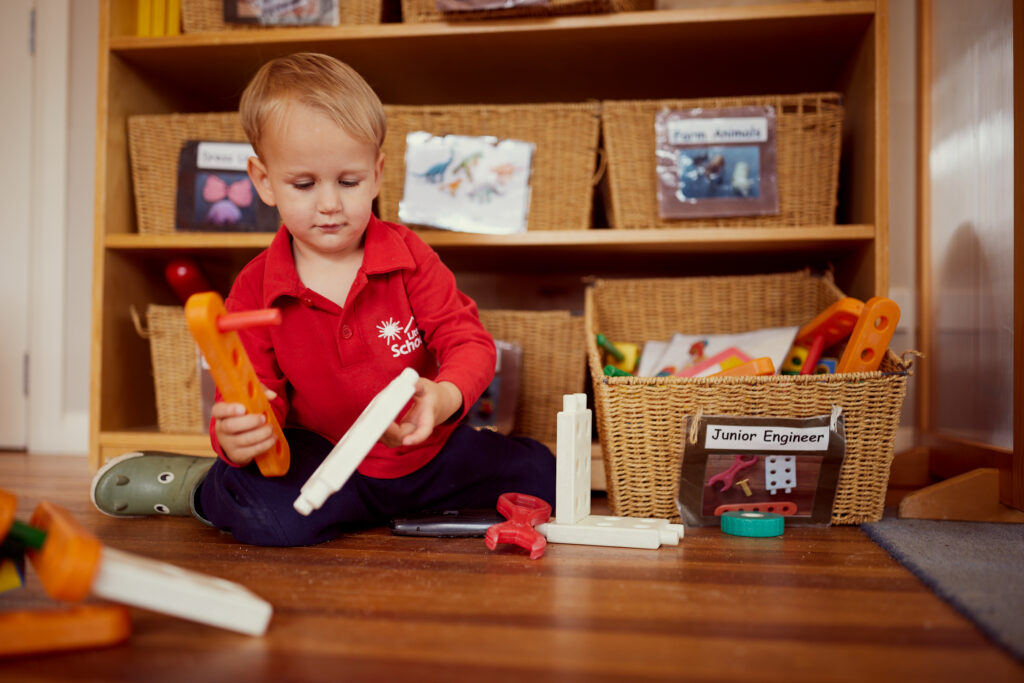
  4. Kneeling activities: Encourage children to build, paint or play at a low table while kneeling. This challenges core stability and postural control.
  5. Side-sitting and reaching: Encourage children to sit with their legs comfortably to one side while reaching for toys across their bodies. Alternate sides to develop trunk rotation.
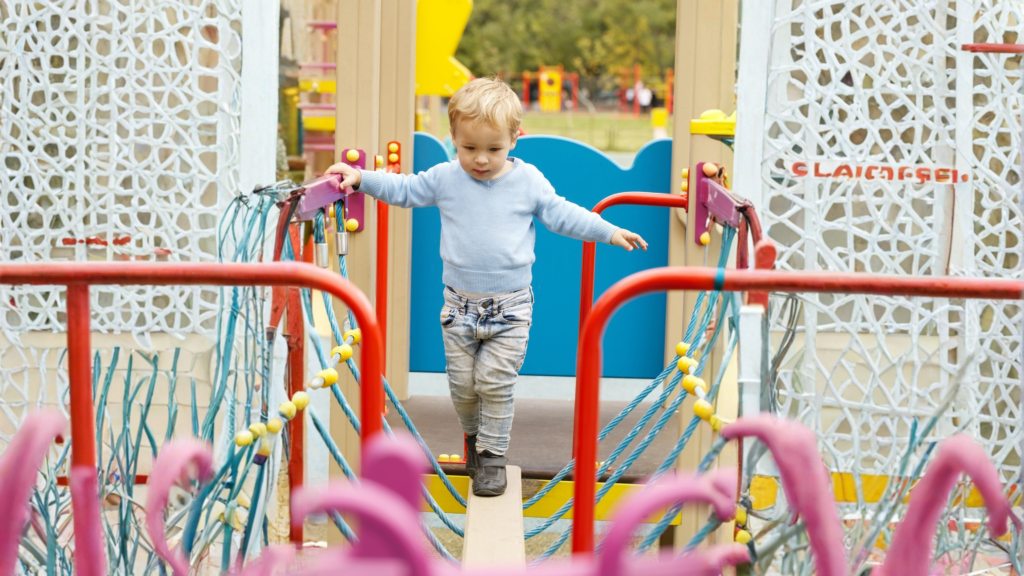
  6. Balancing and climbing: Use balance beams, stepping stones, playground climbing equipment and uneven surfaces to challenge the vestibular system and develop balance.
  7. Pushing, pulling and carrying: Moving cushions, pulling toys and carrying appropriate objects provide proprioceptive input, helping children develop body awareness and coordinated movement.

These activities support general motor development, although they are not proven treatments for retained primitive reflexes.

Child crawling through a tunnel during a movement activity

Should We Stop Children From W-Sitting?

My advice to parents and teachers is to encourage different sitting positions rather than simply correcting the child.

Offer opportunities to sit cross-legged, side-sit, kneel or stretch their legs in front of them. Most importantly, provide plenty of opportunities for movement throughout the day.

If a child consistently struggles with other sitting positions, balance or coordination, parents and teachers should work together to identify whether further assessment is needed. Pain, unusual stiffness or persistent movement difficulties warrant advice from a paediatric physiotherapist or occupational therapist.

Frequently Asked Questions About W-Sitting and Primitive Reflexes

What is W-sitting?

W-sitting is when a child sits with their bottom between their legs, knees bent and feet turned outwards, forming the letter W.

Why do children W-sit?

It creates a wide, stable base, so children can play without making as many balance adjustments. For some children it is simply comfortable, while for others it may be easier than positions that need more postural control.

What is the link between W-sitting and primitive reflexes?

In reflex-based developmental approaches, a persistent STNR response is sometimes associated with W-sitting. W-sitting alone does not show that any reflex is still active, but it can be one reason to look more closely at posture, balance and coordination.

When should I get advice about W-sitting?

 If a child almost always W-sits and avoids other positions, or has pain, unusual stiffness or persistent movement difficulties, ask a paediatric physiotherapist or occupational therapist.

My Final Thoughts

When I see a child repeatedly W-sitting, I don’t just look at their legs. I look at their posture, balance, core stability, coordination and movement development.

Don’t just ask a child to change how they sit. Ask yourself why they might be relying on that position.

At Life Learning, we believe strong developmental foundations support children’s ability to move confidently, participate in learning and develop greater independence.

If you would like to understand these foundations in greater depth, explore our Primitive Reflexes Parts 1 and 2, STNR, Sensory Integration, Vestibular System, Midline and Laterality and A Moving Child Is a Learning Child training.

Get practical ideas in your inbox