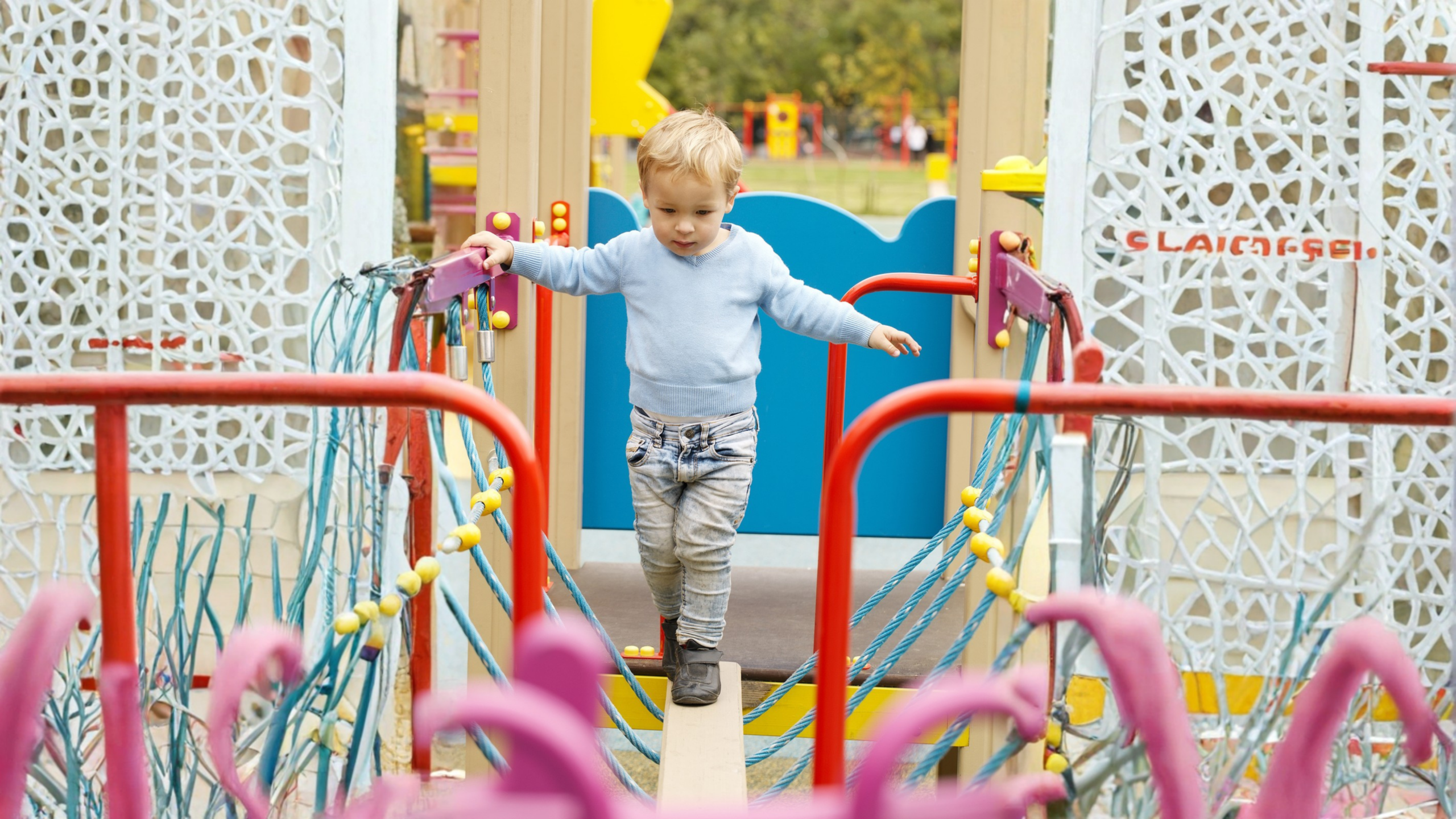
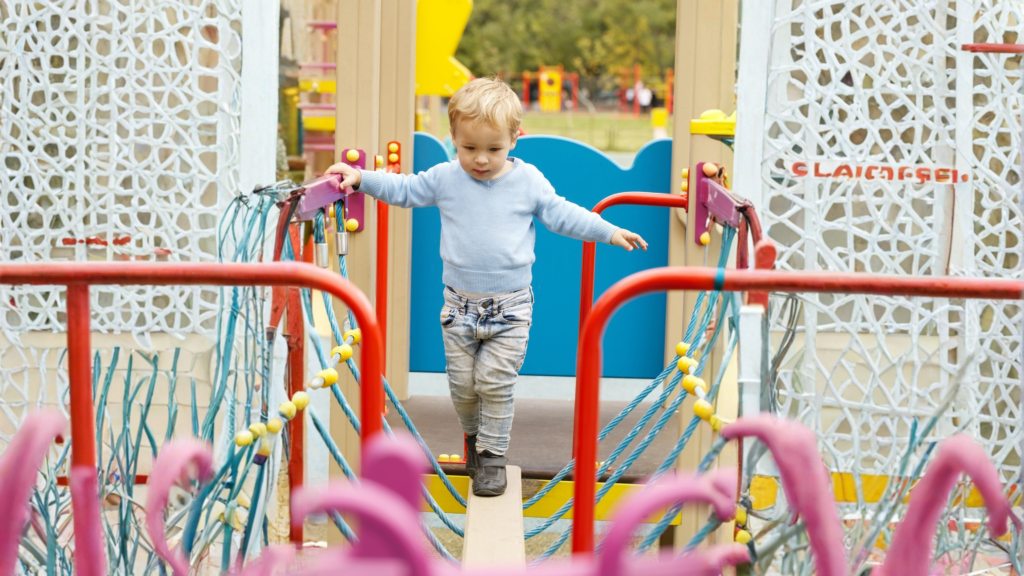
A young boy balancing on a beam during outdoor play.

Understanding Boys’ Behaviour: Why Does My Boy Do That?

Understand the Child in Front of You

What Is Happening Inside a Boy’s Brain?

The Role of Hormones: Testosterone, Oxytocin and Serotonin

Testosterone

Want to understand what drives your boy’s behaviour?
Our Understanding Boys course explores how boys develop, the influence of hormones and brain development, and why movement, physical play and relationships matter so much.

Oxytocin

Oxytocin is linked with connection, trust and bonding, and it reminds us that boys need meaningful relationships just as much as girls do. They may simply show it differently.

I have watched so many boys build strong friendships through shared experiences, whether that is building something together, playing sport or inventing an imaginary adventure. A boy who isn’t particularly talkative still values connection.

Serotonin

Serotonin plays a part in mood and emotional regulation, although no single chemical explains how a child manages their feelings. Emotional regulation grows from the interaction of brain maturation, temperament, relationships and experience. That is why a boy who becomes overwhelmed, frustrated or angry may not yet have the skills to explain what he is feeling or to calm himself on his own.

Boys Have Big Emotions Too, They Just Show Them Differently

It concerns me how easily we misread boys’ emotions. The boy who explodes with anger may actually be embarrassed, disappointed, anxious or overwhelmed. The boy who walks away may need time to process what has happened. And the boy who becomes physically restless when upset may be trying to manage feelings he doesn’t yet have words for.

As adults, we often ask “Why did you do that?” or “What were you thinking?” in the heat of the moment, when the child simply doesn’t have the language or regulation skills to answer. In my experience, reasoning with a highly distressed child rarely works. He needs to feel calm and secure first, and only then can he reflect on what happened.

This is why I believe every child needs an emotional toolkit. Children need to learn how to recognise their feelings, notice what happens in their bodies when they become upset and practise strategies that help them settle.

Some children respond well to talking, while others need movement, breathing, drawing, quiet time or simply a trusted adult close by. It is exactly why I developed our Classroom and Home Toolkit course for parents. It gives you practical, everyday ways to help your child understand his feelings and find the calming strategies that work for him, so that big emotions become moments of learning rather than battles.

Why Do Boys Love Rough-and-Tumble Play?

I have watched countless boys turn an ordinary playground into an adventure. A fallen branch becomes a sword, a pile of cushions becomes a mountain and a simple game of chase becomes an elaborate imaginary battle. To some adults this looks chaotic or even aggressive, but look a little closer and you will see appropriate rough-and-tumble play doing important work. Through it, children learn:

  • about their strength, balance and coordination
  • how to read other people’s reactions
  • how to negotiate rules and take turns
  • how to recognise when someone else is no longer enjoying the game

Of course, there is a difference between playful physical interaction and genuine aggression, and children need clear boundaries around consent, safety and respect.

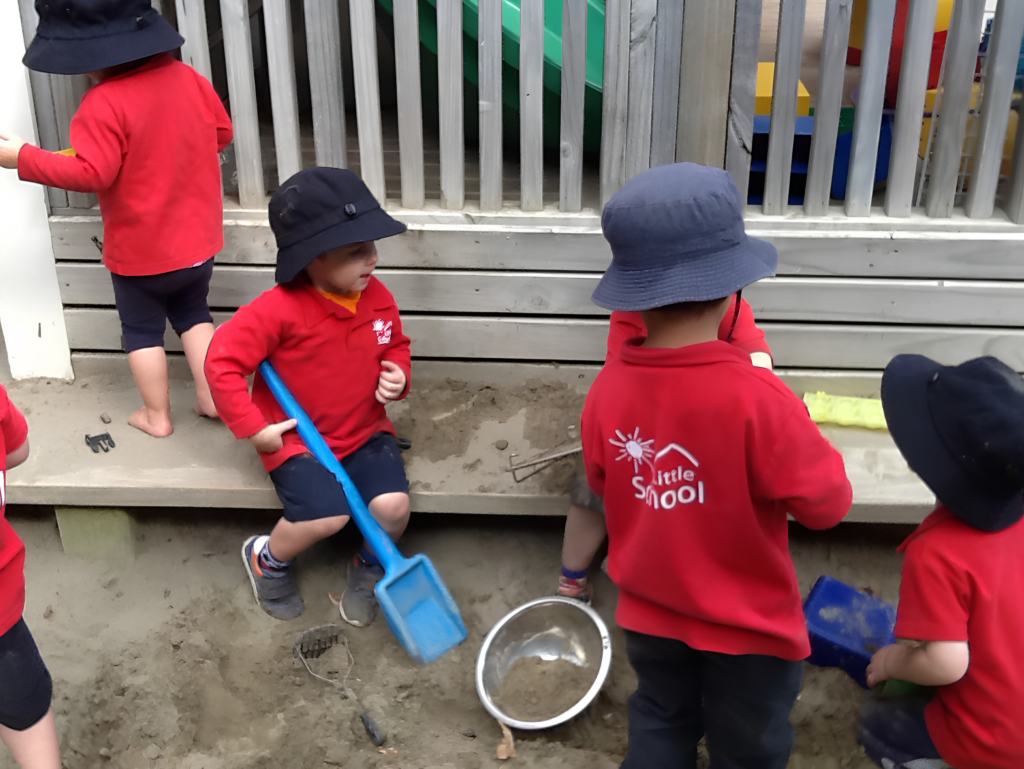
Boys playing together in an outdoor play area

We have become increasingly cautious about letting children take physical risks. Safety must always come first, but we need to be careful not to remove the very experiences that build confidence, resilience, problem-solving and a sense of what they are capable of. Boys, like all children, need the chance to test themselves, make mistakes and discover what they can achieve.

Want to understand what drives your boy’s behaviour?
Our Understanding Boys course explores how boys develop, the influence of hormones and brain development, and why movement, physical play and relationships matter so much.

CLICK HERE TO EXPLORE →

Are We Expecting Boys to Fit Learning Environments That Don’t Suit Them?

Too often we measure learning by how quietly a child sits, how long he concentrates on a teacher-directed task or how neatly he completes a worksheet. Yet some of the richest learning happens when children are moving, exploring, building, questioning and solving problems.

Movement strengthens balance, coordination, body awareness and motor planning, and these skills underpin a child’s ability to sit, attend and take part in the classroom. When a boy struggles to sit still or stay focused, understanding boys’ behaviour means looking at the whole picture, including his developmental stage, sensory needs, environment and wellbeing.

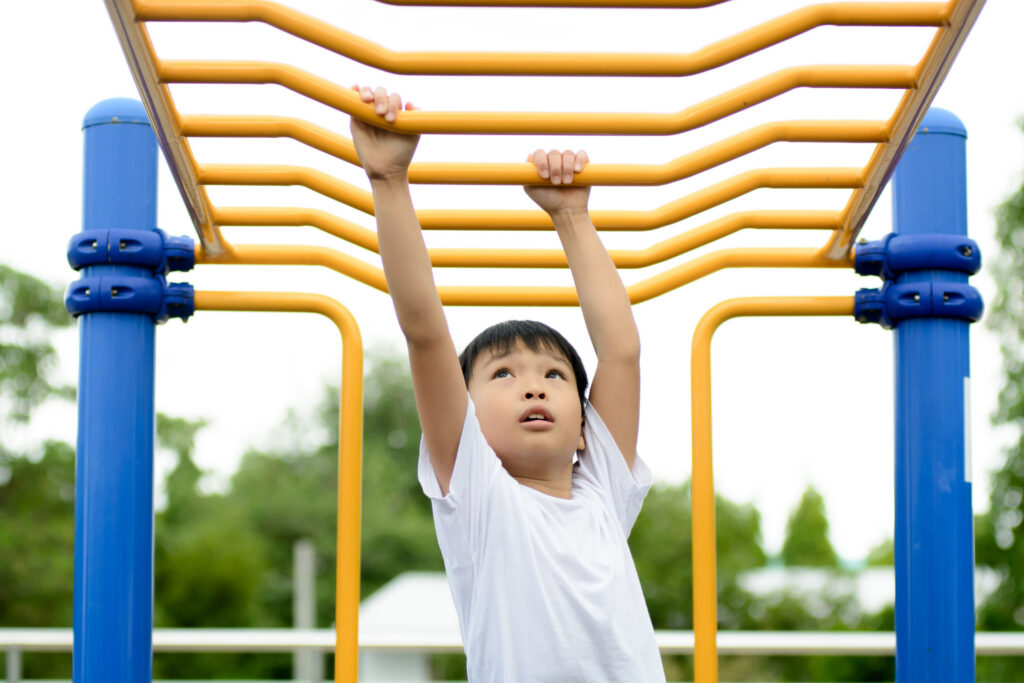
A young boy climbing during active play

This is why movement, sensory experiences, outdoor exploration and hands-on learning sit at the heart of every programme I have developed. It is not about letting boys do whatever they want. It is about creating environments that engage and challenge them while keeping clear expectations and boundaries in place.

Understanding Boys’ Behaviour Does Not Mean Excusing It

I want to be very clear about this. Understanding why a boy behaves in a certain way does not mean accepting aggression, disrespect or unkindness. Quite the opposite. When we understand what is driving the behaviour, we are in a far stronger position to teach the skills he needs.

These skills don’t appear because we tell children to behave. They grow through consistent expectations, positive relationships and plenty of opportunity to practise.

Let’s Stop Comparing and Start Understanding

My four boys taught me that children raised in the same family can have completely different personalities, strengths and emotional needs. As an educator, I have also seen how much difference it makes when a teacher understands why a child is struggling and adapts their approach. Sometimes a small change, such as a chance to move, a different way of presenting an activity or simply a little more time, is all it takes.

We should never lower our expectations of boys, but we must make sure those expectations are developmentally appropriate. Most importantly, we need to stop asking why boys can’t always behave the way we expect, and start asking whether we truly understand what they need from us.

Want to Understand Boys Better? Start With Just 30 Minutes

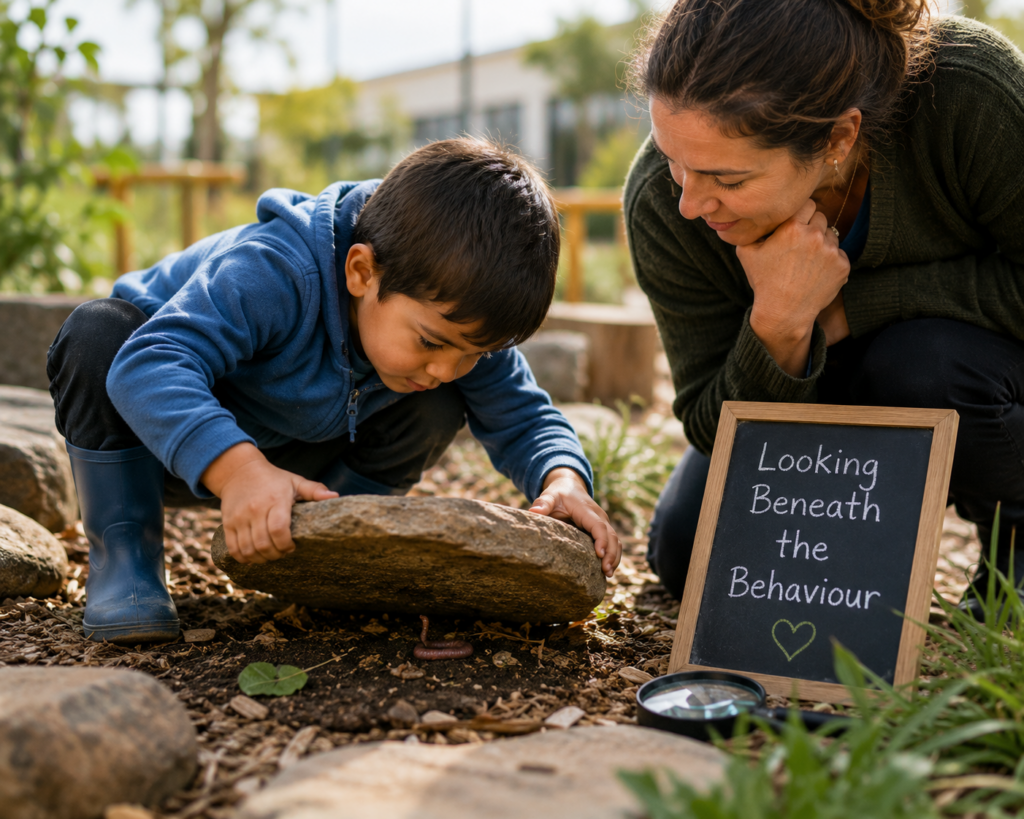
If you are a parent, teacher or anyone working with boys, I encourage you to take just 30 minutes to learn more about what makes them tick. My online course, Understanding Boys: Insights Into Development, Behaviour and Learning, explores how boys develop, the influence of hormones and brain development, their emotional and social needs, and why movement, physical play and relationships matter so much. It will help you look beyond the behaviour and respond in ways that build confidence, resilience and emotional wellbeing.

I would also love you to explore the Emotional Wellbeing Toolkit, which pairs beautifully with Understanding Boys and gives you practical strategies to use at home the very next time emotions run high. You will also find courses on A Moving Child, Sensory Integration, Balance, Body Awareness and Movement, The Power of Play, Positive Guidance for Behaviour, and Primitive Reflexes, all designed to strengthen the developmental foundations that support learning and behaviour at home and in the classroom.

Thirty minutes of learning could change the way you understand and support a boy for years to come. Explore Understanding Boys and our full range of courses for parents, teachers and educators.

Frequently Asked Questions

Why do boys have so much energy?

Many boys are drawn to climbing, running and testing their strength, and movement builds balance, coordination and body awareness. Safe chances to move and take risks help them learn judgement and self-control.

Anger can hide embarrassment, disappointment or anxiety. Many boys don’t yet have the words or skills to manage big feelings, so staying calm and helping him settle first, then talking later, works better than reasoning in the moment.

Appropriate rough-and-tumble play helps children learn about strength, reading others’ reactions and taking turns. Set clear boundaries around consent, safety and respect, and step in if it becomes genuine aggression.

No. Knowing why a boy behaves a certain way helps you teach the skills he needs, such as impulse control, perseverance and fairness, while keeping consistent expectations.

Take Your Knowledge Further

If you’d like practical guidance to change the way you understand and support a boy for years to come

Take Your Knowledge Further

If you’d like practical guidance to change the way you understand and support a boy for years to come

Get practical ideas in your inbox