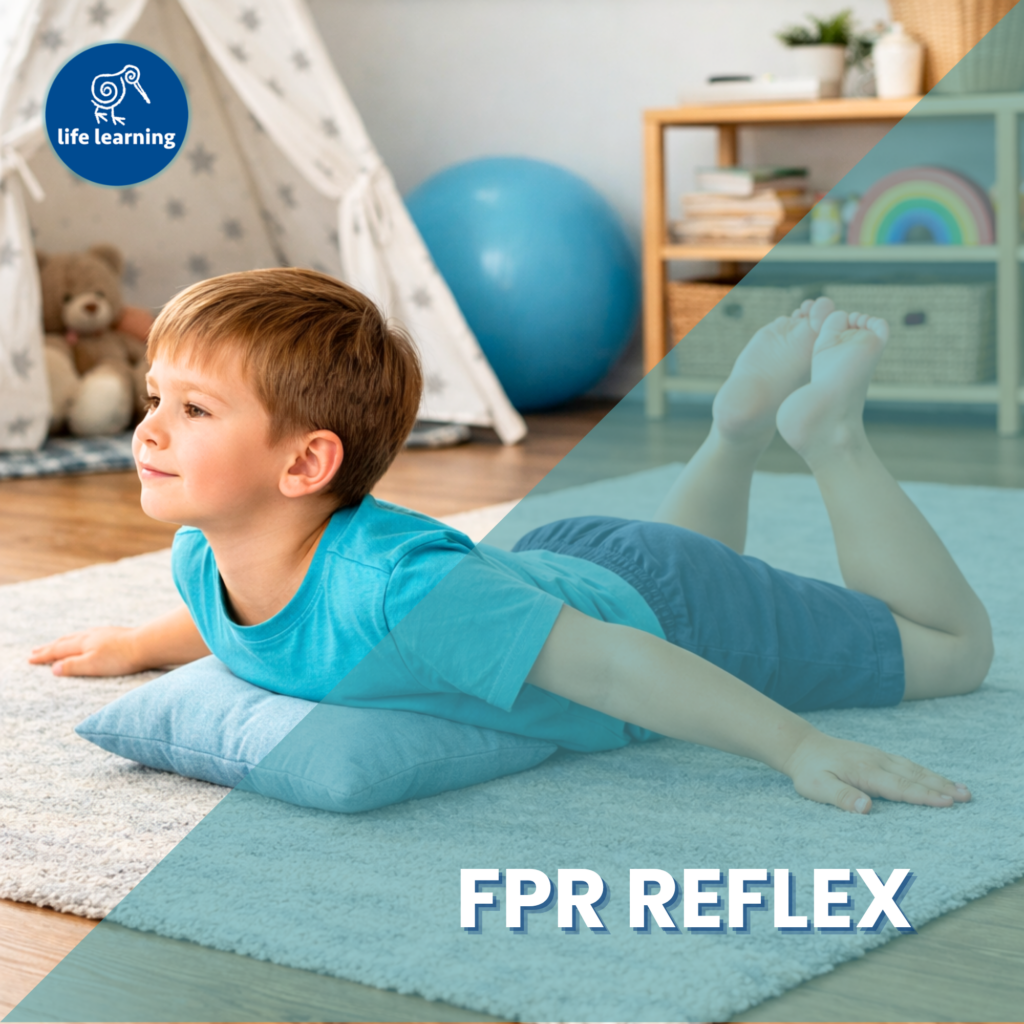
Your Child Is Not “Just Playing”: What Is Really Happening When Children Move, Explore and Play?

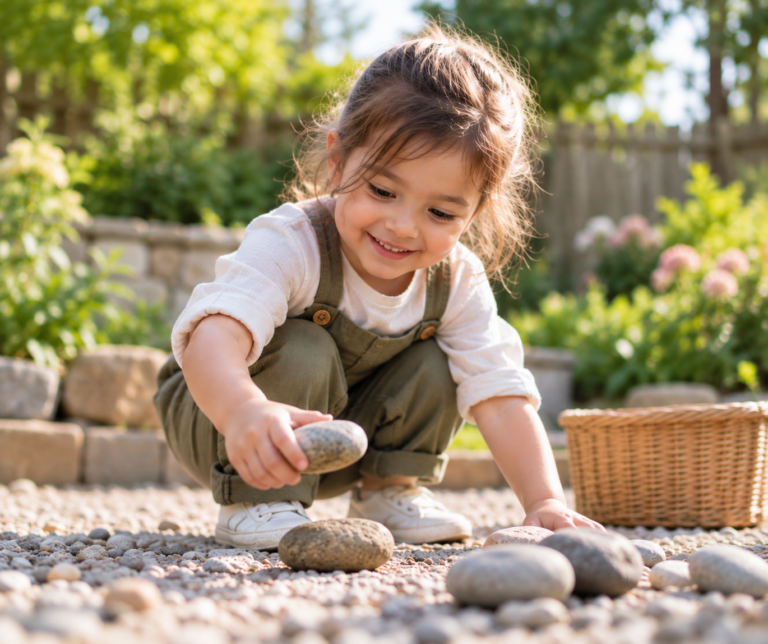
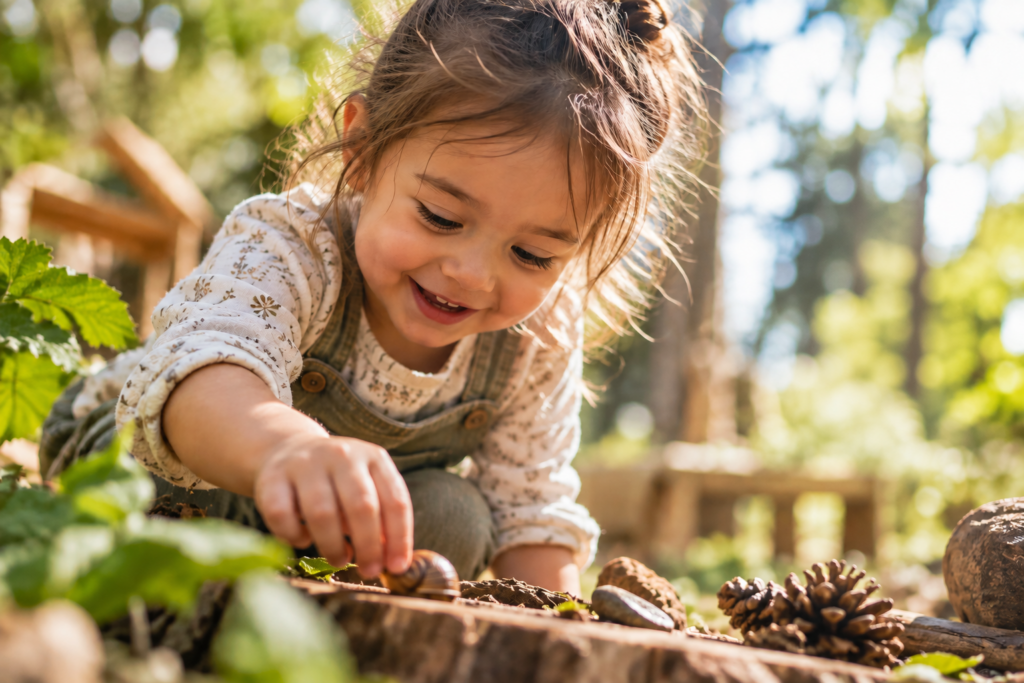
Have you ever watched a child spend twenty minutes carrying stones from one side of the garden to the other?


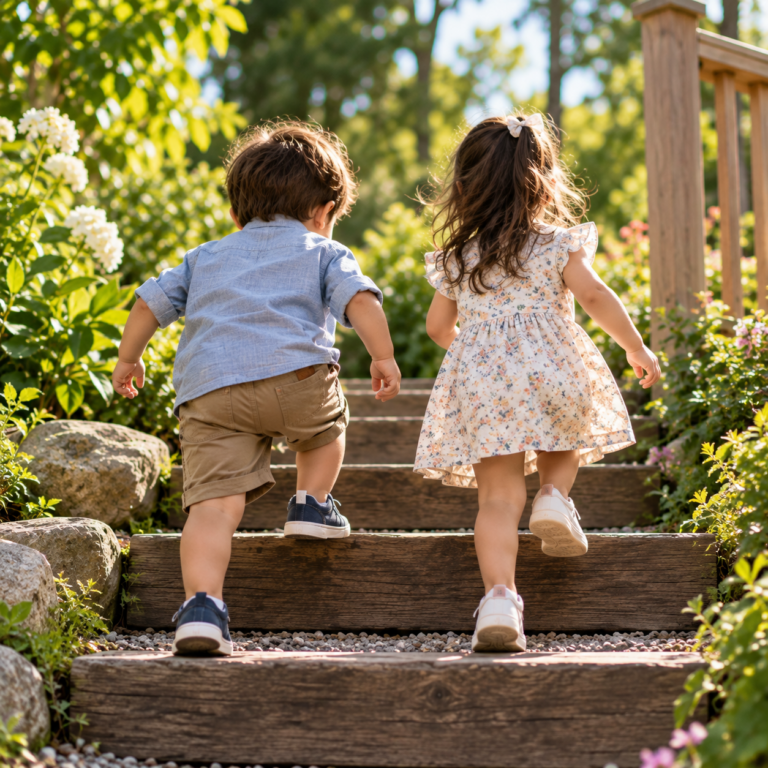
Or watched them climb the same step again and again?


Perhaps they have spent the morning filling a container with sand, emptying it, and then filling it again.


You may look at them and think:


“They’re just playing.”


But what if they are doing much more than that?


What if, through that seemingly simple play, they are learning about their body, their environment, movement, balance, problem-solving, communication and the world around them?


This is one of the reasons understanding early childhood development is so important.


Children don’t experience learning in separate subjects.


They experience the world as a whole.
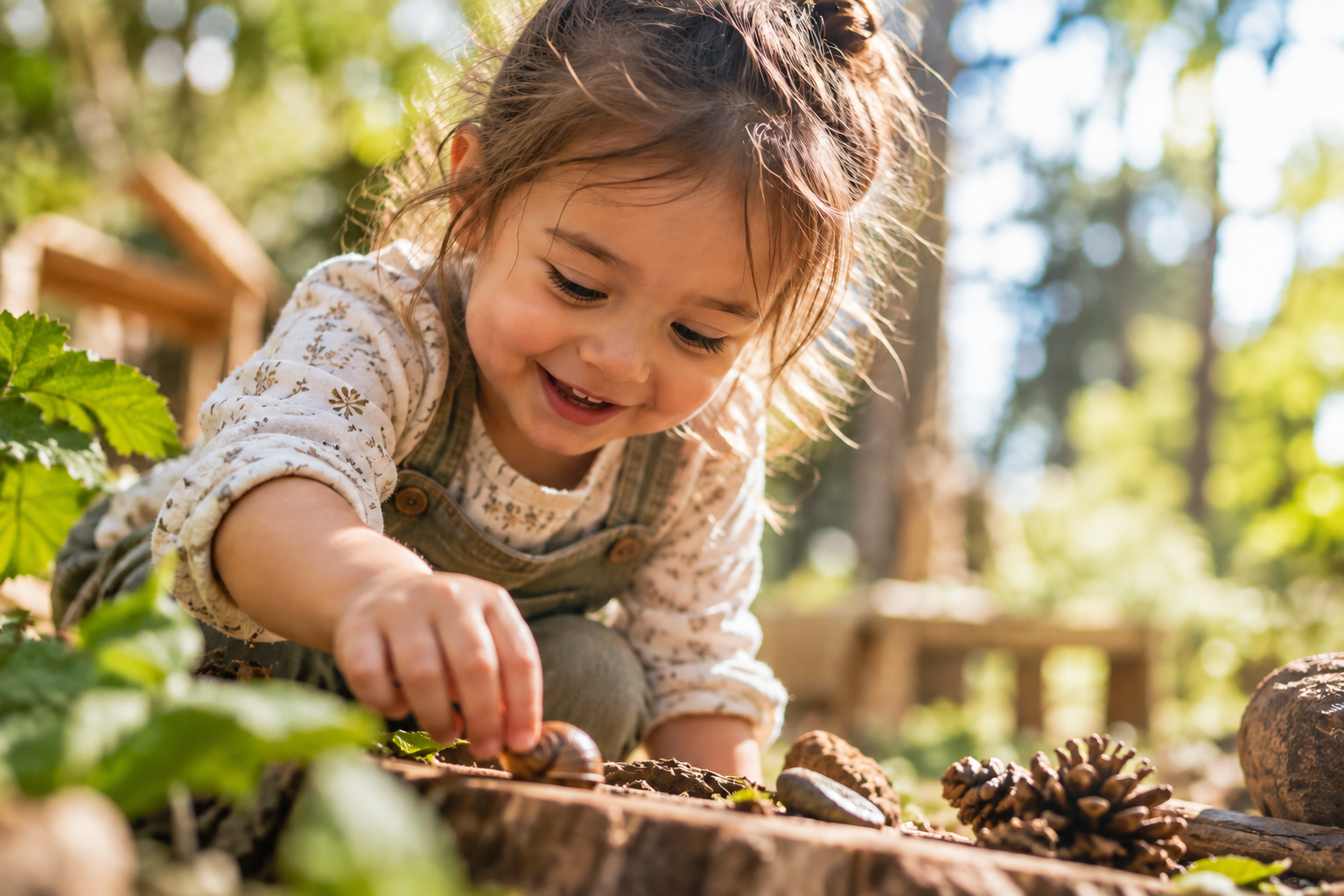
Learning begins long before a child picks up a pencil

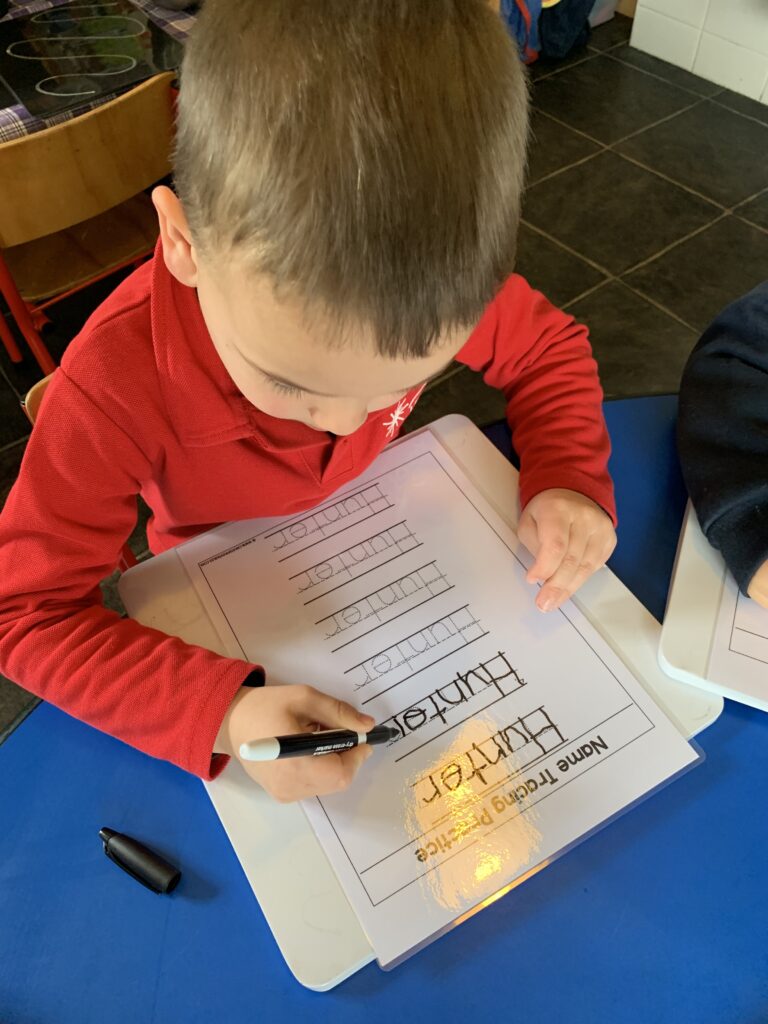
When we think about learning, we often picture a child sitting at a table, holding a pencil, recognising letters or counting objects.


But before children are ready for many of these classroom experiences, they need opportunities to develop through their bodies and senses.


Maria’s work places strong emphasis on sensory-motor development as a foundation for learning. 


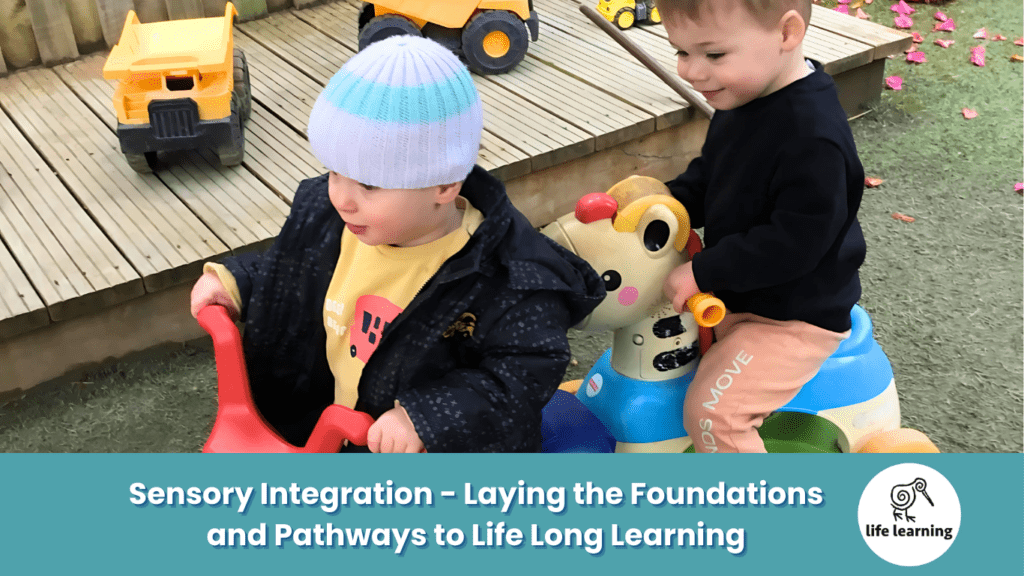
Sensory integration involves taking information through the senses, organising that information and responding appropriately. 


Movement then becomes part of how the child interacts with and makes sense of the world.


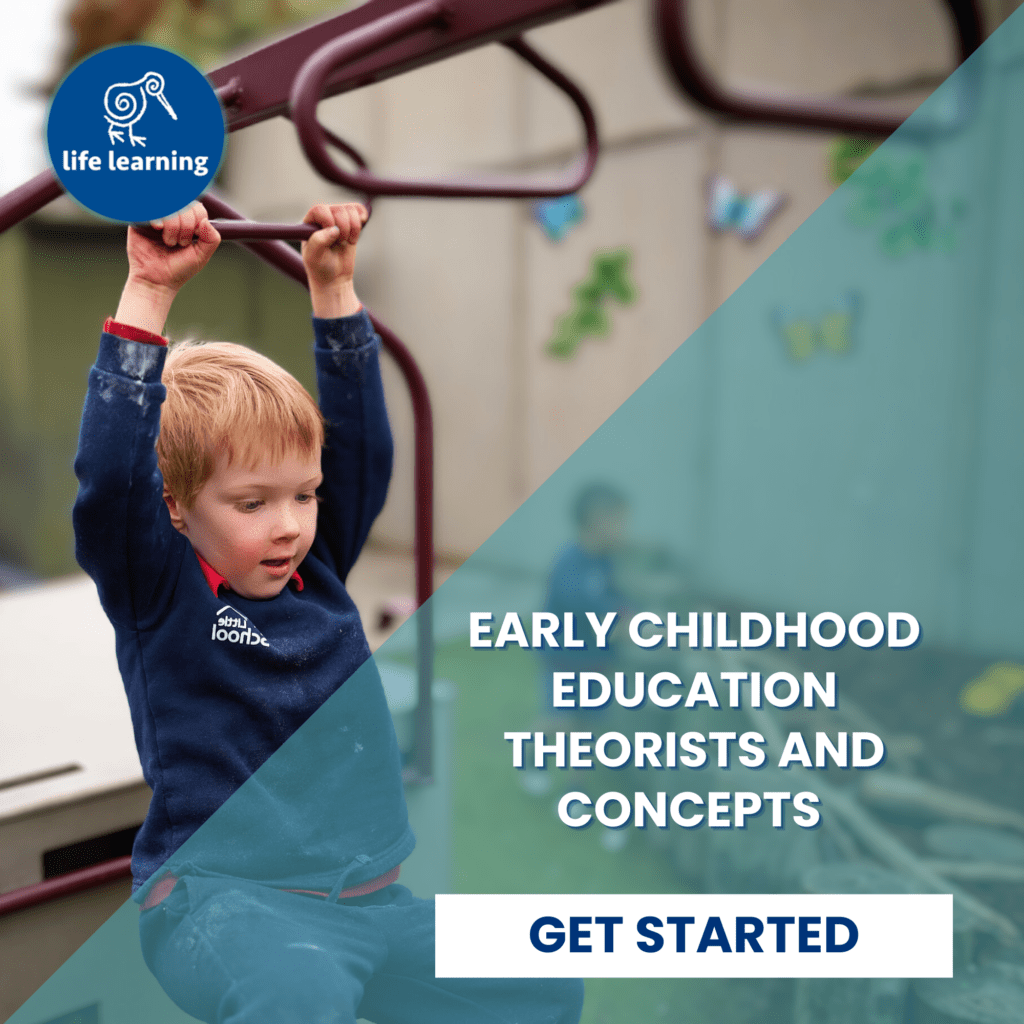
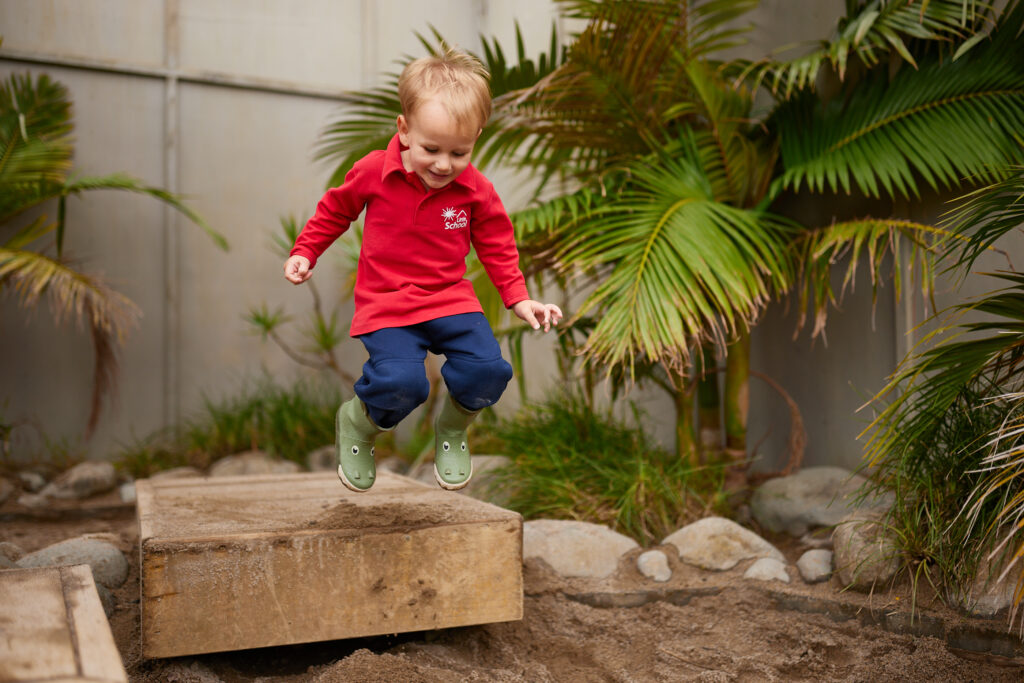
Think about what happens when a child climbs.


They are not simply climbing.


They are experiencing:


Where is my body?


How high is this?


Can I reach that?


How much force do I need?


What happens if I move my foot here?


Can I balance?


What happens if I try again?


A physical experience can therefore become an opportunity for thinking, exploring and learning.

The Child Who Keeps Doing the Same Thing May Actually be Learning Something New

Have you ever wondered why young children love repetition?


The same story.


The same song.


The same game.
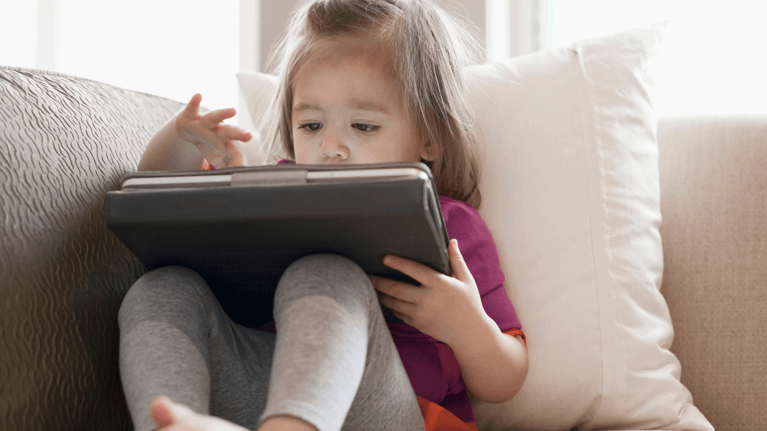
 

The same movement.
 

Again.


And again.


And again.


Maria’s sensory integration article connects this repetition with the developing brain, explaining that repeated or similar experiences strengthen pathways between neurons.


For adults, repetition can sometimes feel boring.


For a young child, repetition can be how learning becomes familiar.


The child isn’t necessarily thinking:


“I am strengthening a neural pathway.”


They are simply enjoying the experience.


And that is the beauty of early childhood.


The child plays.


The child repeats.


The child experiences.


The child discovers.


The child learns.


Movement is Not Something That Happens Before Learning

This is an important shift in thinking.


Sometimes movement is treated as something children do after the “real learning” has finished.


First we sit.


Then we learn.


Then, when the work is finished, we can go outside and move.


But Maria’s approach turns this idea around.


Movement itself can be part of the learning process.


Her motor-development material explains that children develop motor control as they grow and that developing control of the body allows children to explore their environment. 


It also connects gross and fine motor development with children’s cognitive development and preparation for academic learning.


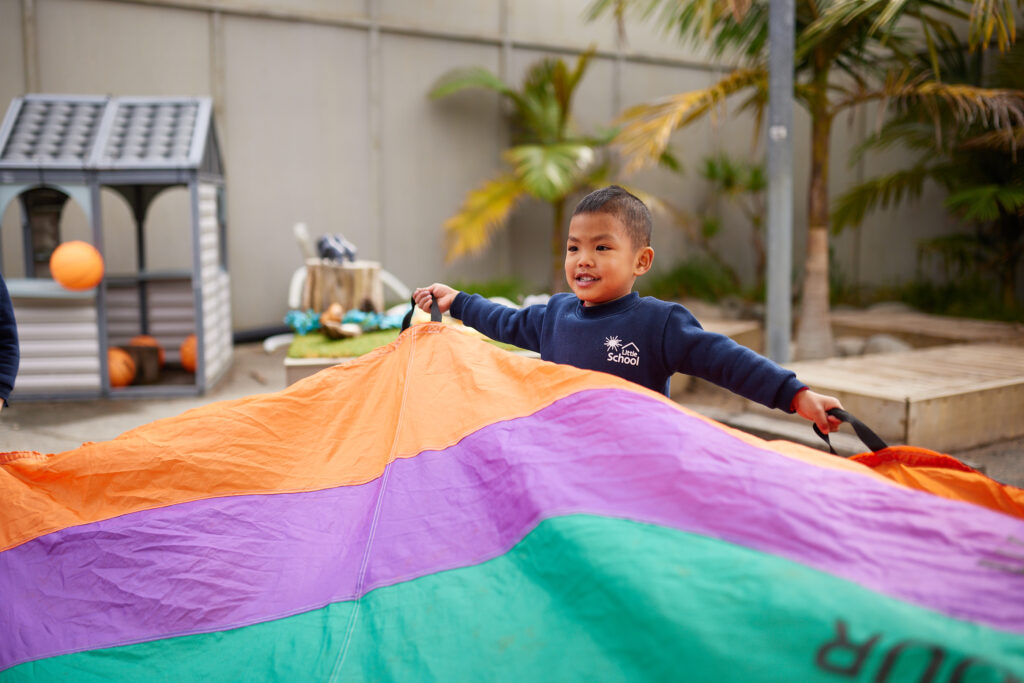
A child running across an outdoor space is not simply “burning energy.”


They are navigating space.


A child carrying a heavy object is not simply moving something.


They are experiencing force, weight and control.

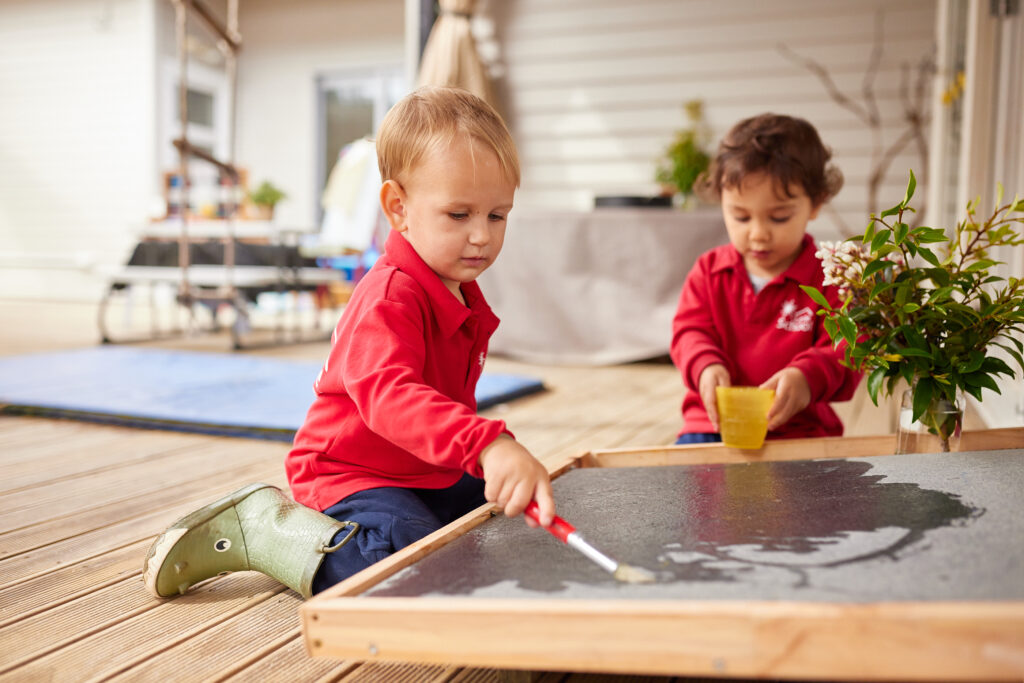
A child squeezing playdough is not simply making something.


They are using their hands and fingers while coordinating what they see with what they do.


A child crawling underneath a table is not simply making a game.


They are experiencing their body in relation to space.


The body is part of the learning environment.

What Does This Mean for Parents and Caregivers?

It means we don’t always need to create another worksheet.


Sometimes the best developmental opportunity may be much simpler.


Let them:


  • carry
  • climb
  • crawl
  • push
  • pull
  • pour
  • squeeze
  • build
  • balance
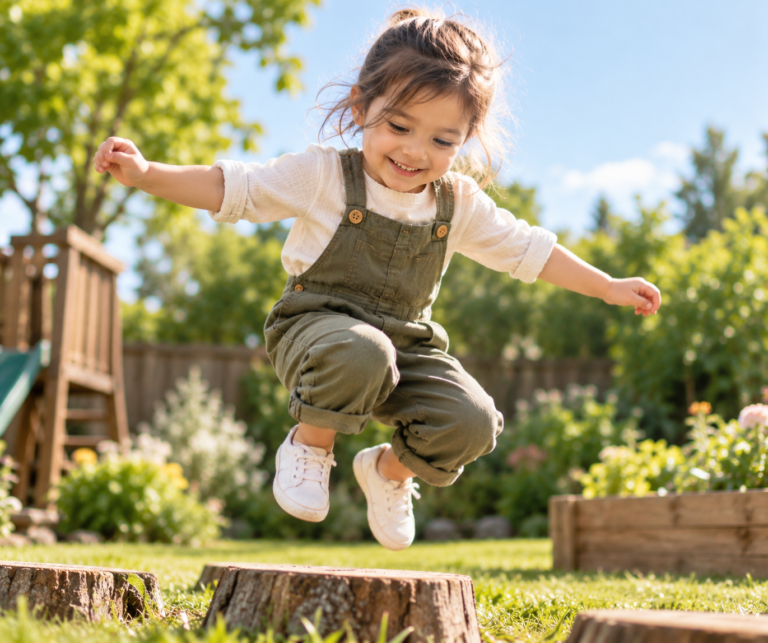
  • jump
  • run
  • dig
  • manipulate
  • explore
  • repeat
 

The motor-development material Maria developed includes activities ranging from playdough, paper tearing, cutting and weaving to pouring, stacking, sand play, bubble activities, crawling, climbing and cross-pattern movements.


The important question isn’t:


“How much can I teach my child today?”


Sometimes the better question is:


“What opportunities can I provide for my child to discover today?”


What Does this Mean for Teachers and Educators?

It changes the way we look at the learning environment.

Instead of asking only:


“What activity will I teach today?”


we can also ask:


“What will children be able to do, explore, test and discover in this environment?”


This is closely connected to Maria’s courses on Sensory-Motor Development, Sensory Integration, A Moving Child, The Importance of Play, Loose Parts Play and the Reggio Emilia environment.


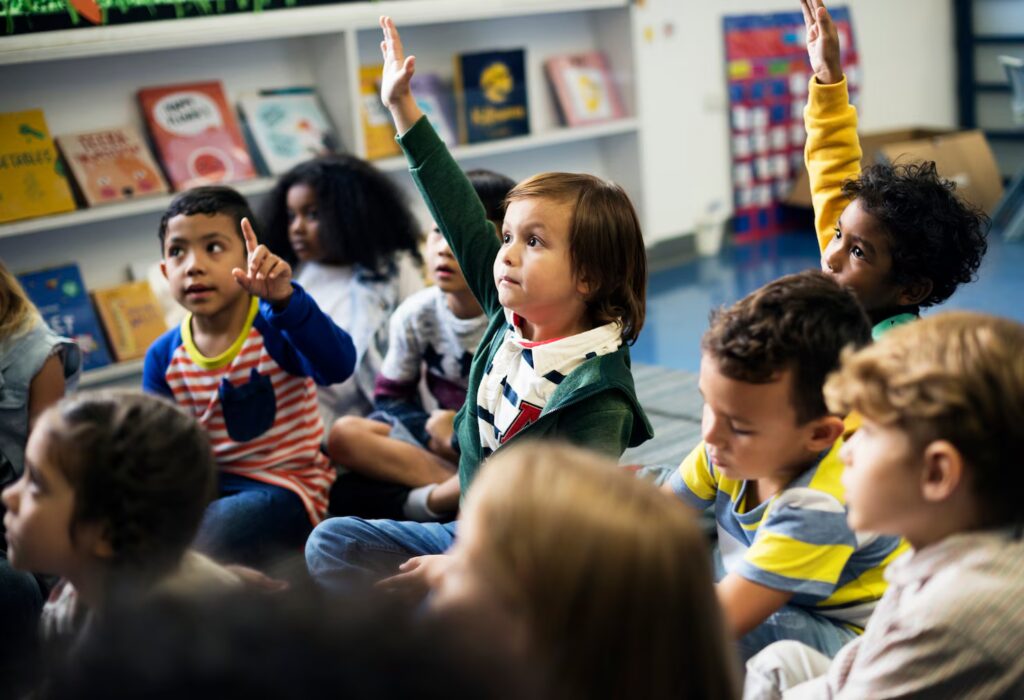
A thoughtfully prepared environment can invite children to move, investigate, collaborate, create and solve problems.


A basket of loose materials may become a construction site.


A collection of boxes may become a tunnel.


A collection of natural materials may become a mathematical investigation.


A puddle may become a science experiment.


A stick may become a measuring tool.


A piece of fabric may become a costume, a river, a blanket or the beginning of an entirely new story.


The material does not always tell the child what to do.


Sometimes the material invites the child to decide.

And This is Where Play Becomes Powerful

Play gives children something that a worksheet cannot always provide:


The opportunity to make decisions.


What should I do?


How should I do it?


What happens if I change it?


What if I try another way?


Can I do it?


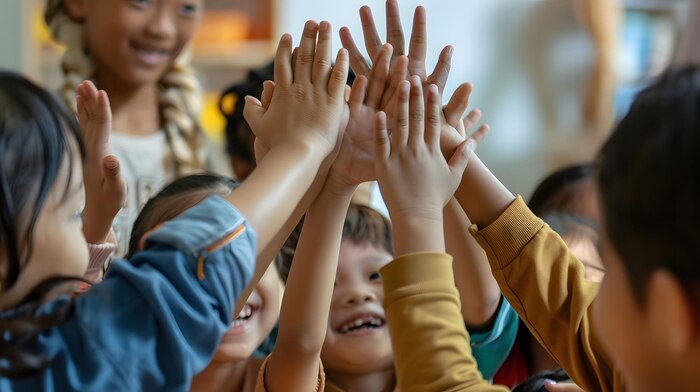
Can we do it together?


What happened?


What should I try next?


These moments can support the development of problem-solving, creativity, communication and collaboration—areas that appear throughout Maria’s course framework, particularly within STEM, creativity, loose parts play and play-based learning.


This is why Maria’s Importance of Play course describes play not simply as a break from learning, but as an important part of children’s developmental and learning foundations.

But There is Something Even More Important

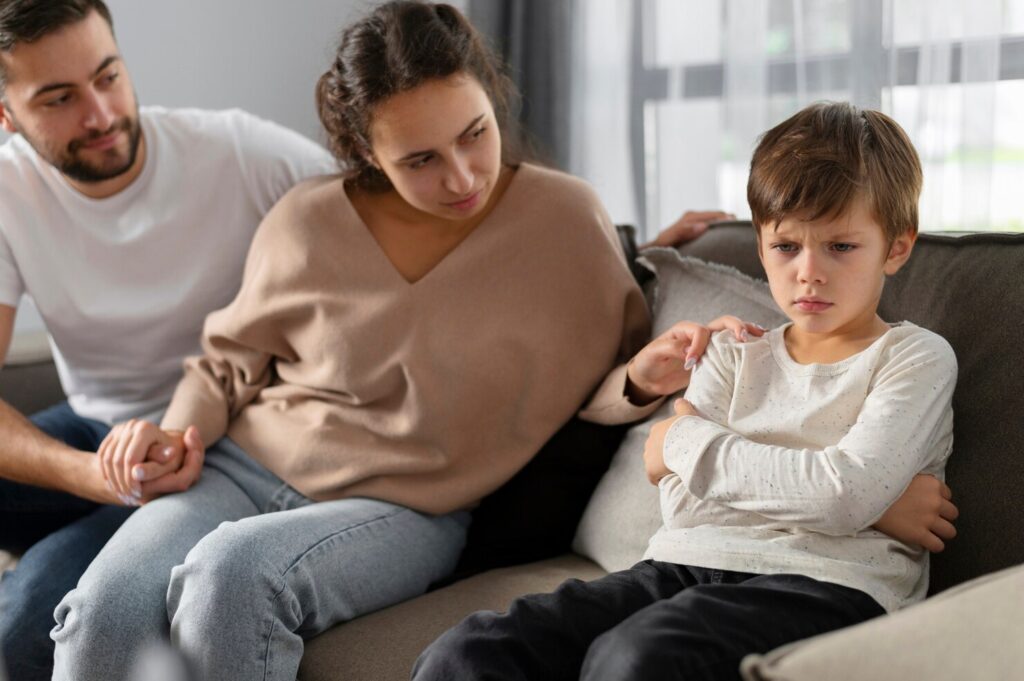
Children don’t all develop in exactly the same way or at exactly the same pace.


One child may confidently climb.


Another may prefer to watch.


One child may spend hours drawing.


Another may be fascinated by water.


One child may constantly seek movement.


Another may need quiet spaces.


Our responsibility as adults is not simply to make every child behave the same way.


It is to observe, understand and provide meaningful opportunities for development.


That means asking:


What is this child showing me?


What are they interested in?


What are they practising?


What do they find challenging?


What opportunities might help them take their next step?


That is a much deeper way of looking at early childhood education.

The Child in Front of Us is More than What We See

A child running, climbing, rolling, building, drawing, digging or repeatedly filling a bucket may appear to be doing something very ordinary.


But childhood is full of these ordinary moments.


And within those moments, children are developing.


Their bodies are developing.


Their senses are gathering information.


Their brains are making connections.


Their confidence is growing.


Their independence is emerging.


Their understanding of the world is expanding.


This is why the early years matter.


The foundations we provide today can influence how children approach learning, exploration and challenges tomorrow.


Maria’s sensory-motor philosophy describes these early experiences as laying foundations for lifelong learning and academic success.


So the next time you see a child “just playing,” pause for a moment.


Look a little closer.


Ask yourself:


What are they learning that I cannot immediately see?


Because sometimes…


the most important learning doesn’t look like learning at all.

Explore our Life Learning Courses!

What our Clients Say!

Check our Recent Blogs

For Parents, Caregivers and Educators

The next time your child wants to repeat the same game, climb the same structure, pour the same water, build another tower or explore the same material for the tenth time—

don’t be too quick to stop them.


Watch.

Listen.

Wonder.

Ask questions.

Give them time.

Give them space.

And whenever possible, give them opportunities to move, explore and play.


Because for a young child, play is not the opposite of learning.


Play is one of the ways learning happens.

Explore the Learning Behind the Play

This philosophy is explored throughout Life Learning MENA’s professional development courses, including The Importance of Play, Sensory-Motor Development, Understanding Sensory Integration, A Moving Child, The Vestibular System & Proprioception, Creativity, STEM, Loose Parts Play, and the Reggio Emilia learning environment.

Featured Life Learning Courses