Are We Raising Children Who Are Afraid to Try?

What I Have Seen Change in 40 Years of Education and Why It Matters for Our Children

The Childhood I Remember...

Childhood Looks Different Today


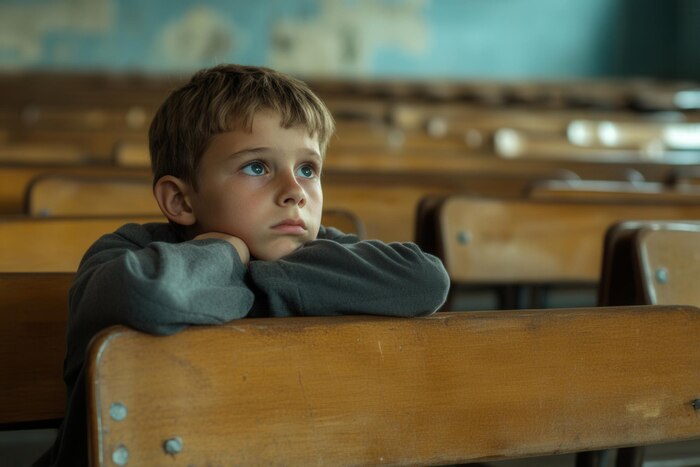
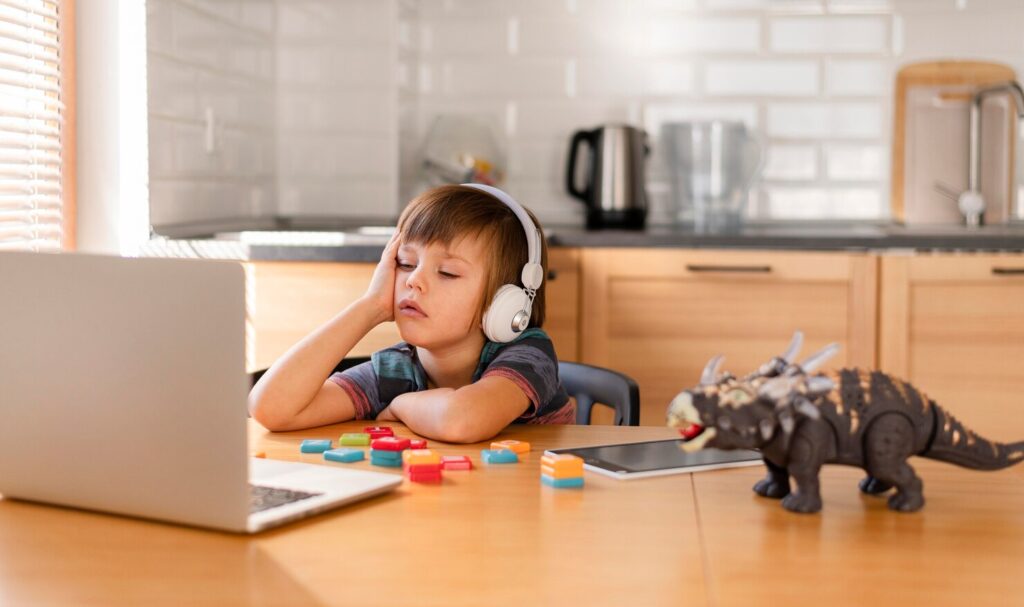
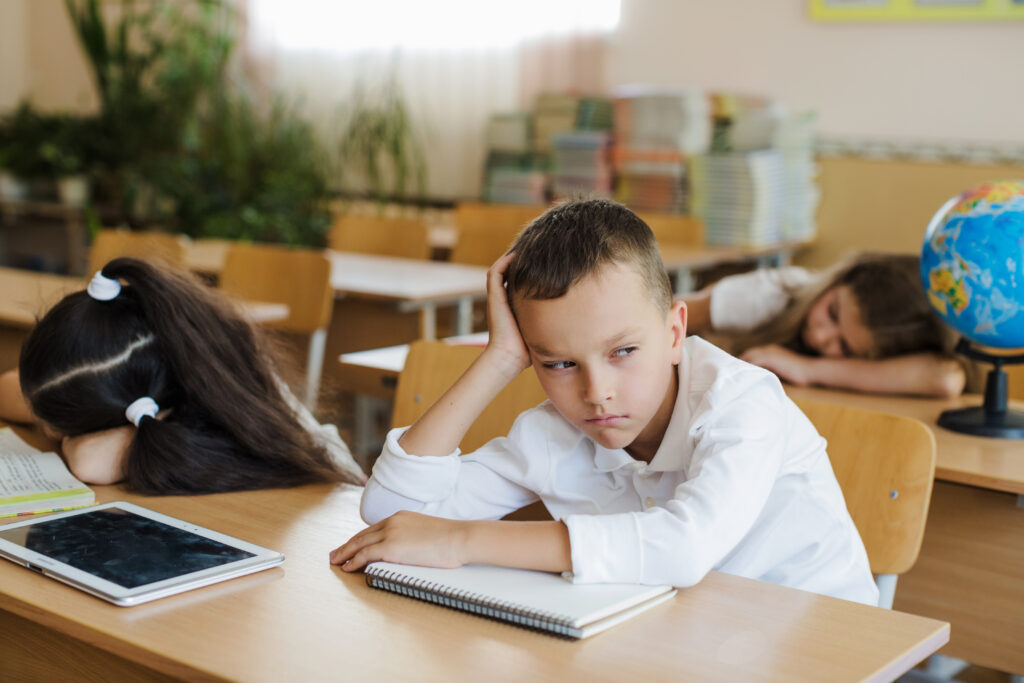
Instead of walking, biking, climbing, running, scootering, kicking balls or spending long afternoons at the park, many children are spending more time in car seats, on devices, inside homes and sitting for longer periods of time.
 
This is not about blaming parents. Modern family life is demanding, and most parents are doing their very best within the pressures they face.
 
But as educators, we have to be brave enough to ask what has changed in children’s daily lives and how those changes may be impacting their development.

Children Need Movement to Develop

 
Children were never designed to be sedentary. Their bodies need to move and their brains develop through movement.
 
Before a child can sit still, they need many opportunities to run, climb, roll, swing, spin, balance and jump.
 
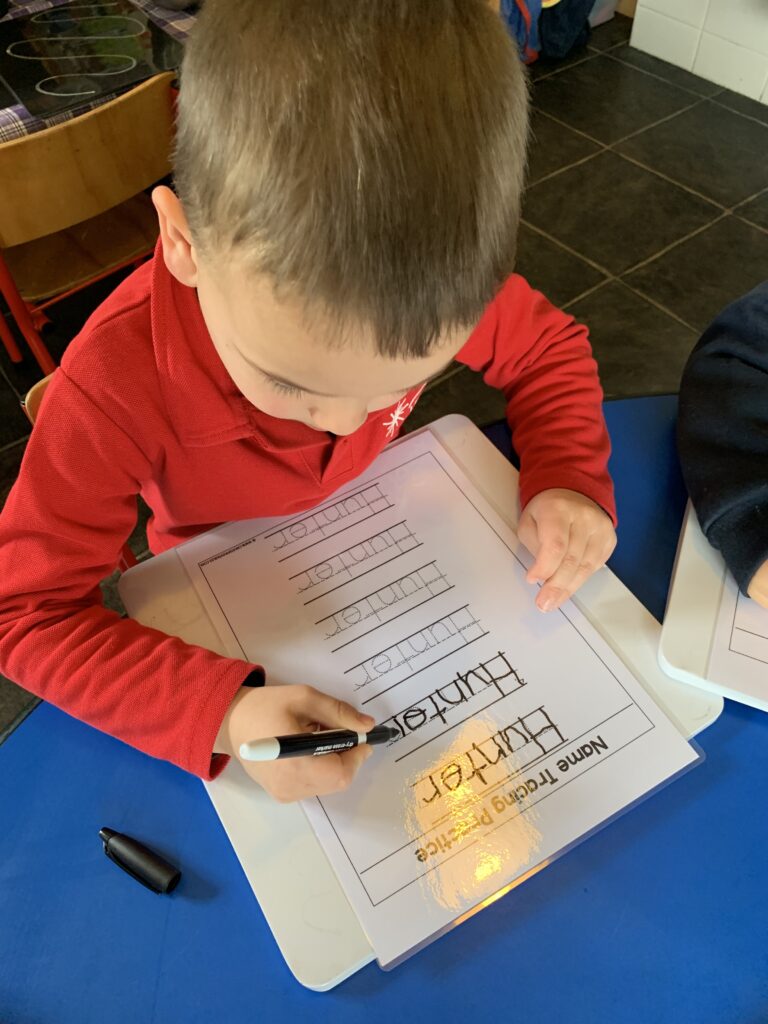
Before a child can write well, they need strong shoulders, stable core muscles, hand strength and good coordination.
 
Before a child can read with ease, they need visual tracking skills and the ability for both eyes to work together.
 
Before a child can focus, their nervous system needs to be organized and regulated.

The Question Is Not Technology — It's What Technology Replaces

 
Technology itself is not the enemy. Screens are now part of modern life, and children need digital skills as they grow.
 
The concern is not simply that children are using technology.
The concern is what screen time may be replacing.

Every hour spent sitting on a device can become an hour not spent outside climbing, digging, running, creating, building, imagining or interacting with real people and real environments.

Children learn through their whole body. They learn by touching, moving, falling, trying again, balancing, judging distance, taking risks, solving problems and engaging the world around them.

When these experiences reduce, the foundations that support learning can be affected.


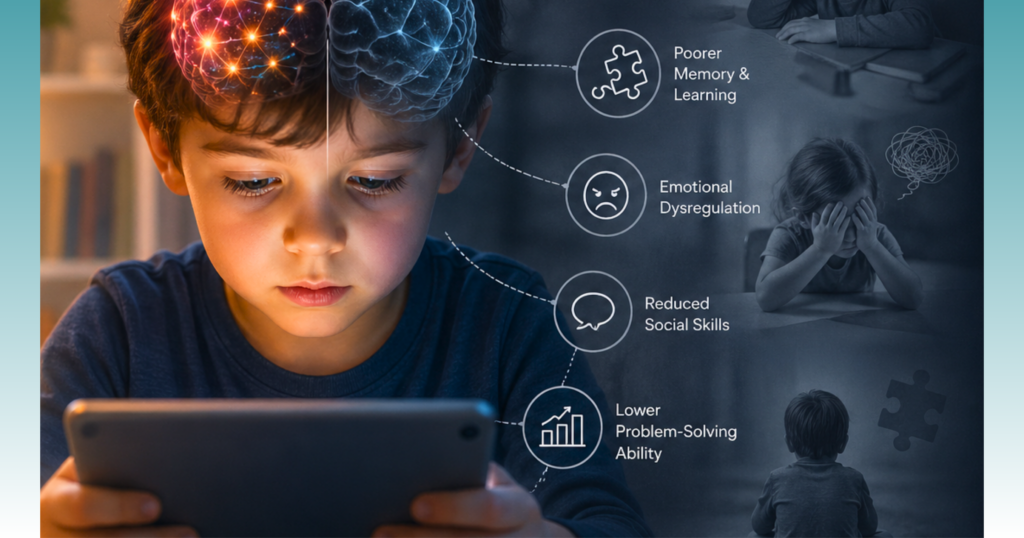
The Impact of Screen Time on Children’s Movement, Coordination and Play

What I Am Seeing in Today's Classrooms

I see children who are bright and capable but whose bodies are not yet ready for the learning demands placed upon them.

Looking Beneath the Behaviour

The Loss of Unstructured Play


These experiences helped children build resilience, social confidence, independence, imagination and problem-solving skills.
 
Today, many children’s lives are more adult-managed, more screen-based and more sedentary, and we are seeing the impact of that loss.

Protecting the Parts of Childhood That Matter

The world has changed, and we cannot pretend it has not. 

But we do need to protect the parts of childhood that children still desperately need.

 
Children need movement every day. They need outdoor play.
 
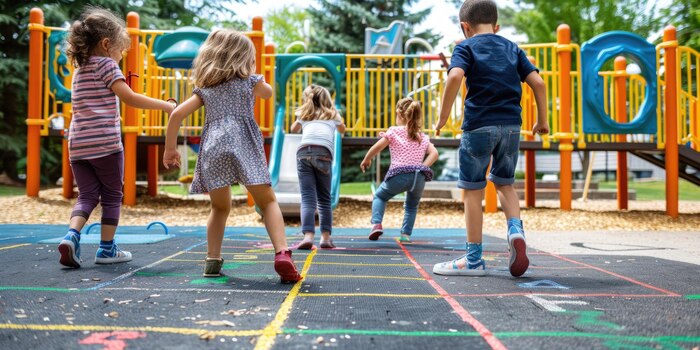
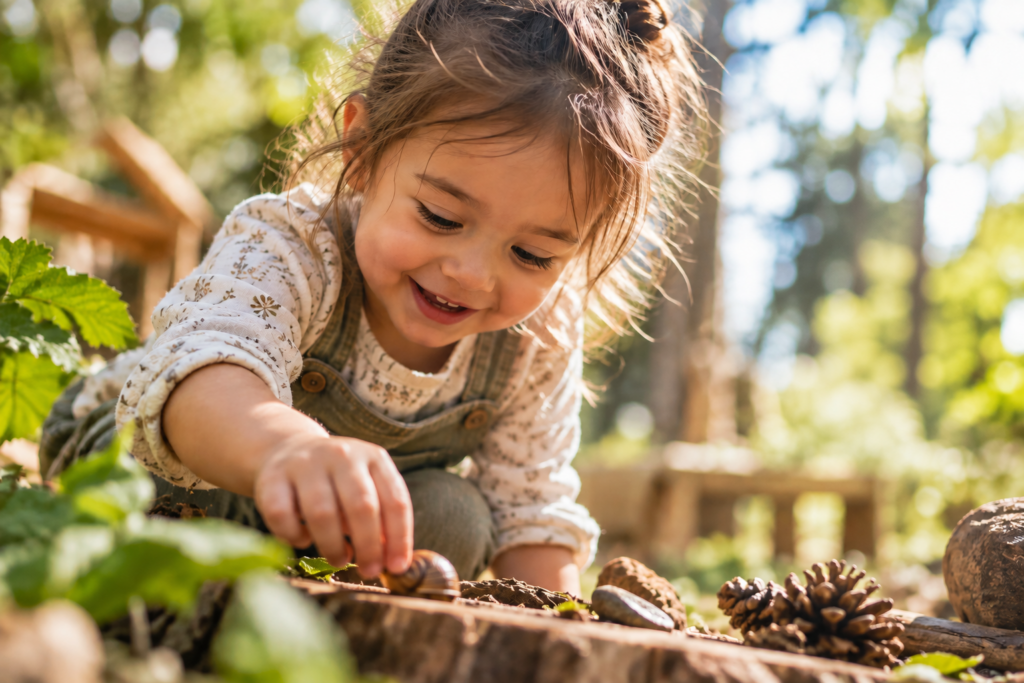
They need time at parks, on bikes, on scooters, kicking balls, climbing, swinging, running, digging, building and exploring.
 
They need opportunities to use their bodies so their brains can develop the foundations required for learning, behaviour and emotional wellbeing.

Small Changes Make a Big Difference

 
A walk after dinner, ten minutes of movement before school, a trip to the playground, kicking a ball together, climbing at the park, dancing in the lounge, crawling through obstacle courses, balancing on logs, building huts or simply spending more time outside can all help children reconnect with the movement their bodies and brains need.

Childhood Is Still the Foundation

 
They become confident when they are supported to try, explore, test, fail, recover and try again.
 
The early years are where these foundations are laid. If we remove too much movement, too much outdoor play, too much risk, too much challenge and too much real-world problem-solving from children’s lives, we should not be surprised when they struggle to cope with difficulty later on..
 
Our children need us to bring childhood back into balance. They need less passive screen time and more active play.
 
They need fewer sedentary hours and more movement.They need fewer instant answers and more opportunities to solve problems. They need fewer adults doing everything for them and more adults who believe they are capable.
 
Because when children climb, run, build, fall, argue, negotiate, persist, create, try and try again, they are not just playing. They are becoming resilient.

Take Your Learning Further

Go beyond the blog with practical, evidence-informed training

designed for educators, parents, and professionals.

Take Your Learning Further

Go beyond the blog with practical, evidence-informed training designed for educators, parents, and professionals.

Leave a Reply

Your email address will not be published. Required fields are marked *