Looking Beneath Behaviour, Learning Challenges and Emotional Struggles: What Every Parent Should Know Before Their Child is Labelled

When Parents Begin To Worry


Many have begun hearing words such as ADHD, autism, sensory processing challenges, learning difficulties, developmental delays, dyslexia, dyspraxia or neurodiversity.

For some children, these labels are absolutely appropriate and can provide understanding, support and access to services that help them thrive.

But after more than forty years in education, I have learned that there is an important question we must ask before we rush towards any label.

Have we fully explored the child’s developmental foundations first?

Because what concerns me is that many of the children being identified as struggling today may not necessarily have a disorder, disability or lifelong neurological difference.

Some children are simply showing us that foundational developmental systems have not developed as strongly as they could.

And when those foundations are weak, the symptoms can look remarkably similar.

What If the Behaviour is the Symptom?

One of the most important lessons I have learned throughout my career is that behaviour is communication.

Children communicate through their actions long before they can explain what they are experiencing.

  • A child who constantly moves may be trying to organise their nervous system.
  • A child who avoids reading may be struggling with visual tracking.
  • A child who cannot focus may be overwhelmed by sensory input.
  • A child who appears emotional may be operating from a nervous system that remains in a heightened states of stress.


The question should never simple be:
“What is wrong with this child?”

The better question is:
“What is this child trying to tell us?”

The Developmental Foundation We Often Overlook

When I work with families and educators, there are several areas I encourage them to investigate before assuming a child’s challenges are solely explained by a diagnosis.

Primitive Reflexes: The Foundations We Rarely Talk About

Primitive reflexes are automatic movement patterns that help babies survive and develop during infancy. As children grow, these reflexes should gradually integrate and make way for more mature movement patterns.


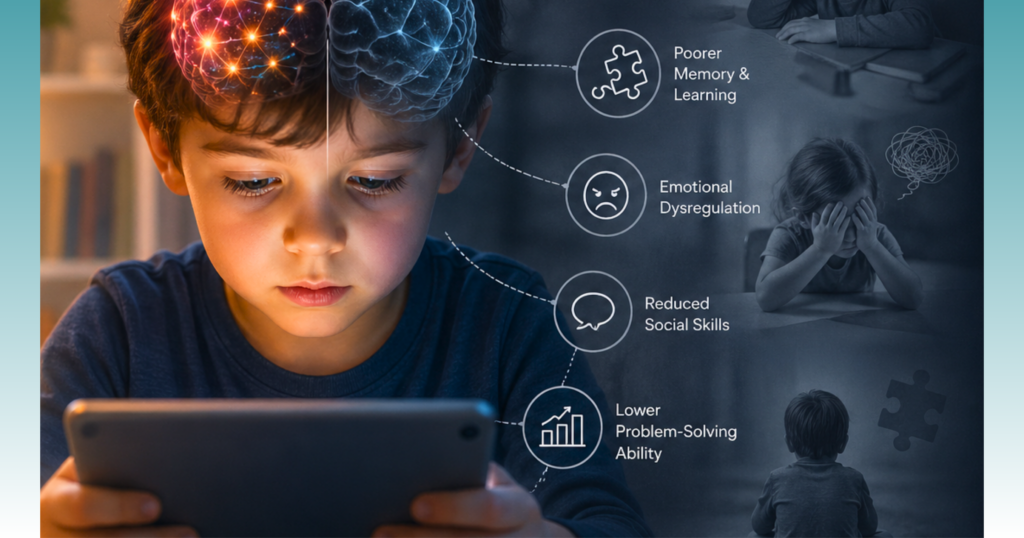
When they do not integrate fully, they can impact attention, concentration, emotional regulation, balance, coordination, handwriting, reading, and sensory processing.

  • A retained Moro Reflex may contribute to heightened anxiety and emotional sensitivity.
  • A retained Spinal Galant Reflex may contribute to fidgeting and difficulty sitting still.
  • A retained ATNR may affect handwriting, reading, crossing the midline, and coordination.


These challenges can sometimes look remarkably similar to the difficulties commonly associated with neurodiversity.

Sensory Processing: How Children Experience Their World

Many children today are struggling with sensory processing challenges.


  • Some are overwhelmed by sound.
  • Others seek constant movement.
  • Some avoid touch.
  • Others crash into everything.


Some children cannot filter information efficiently, making classrooms feel exhausting and overwhelming. Again, this does not mean something is wrong with them. It means we need to better understand how their nervous system is processing information.

Movement Builds The Brain

One of the greatest concerns I have in modern childhood is the reduction in movement.

Children today spend more time sitting and less time moving than any generation before them. Yet movement builds the brain.

  • Before children can sit still, they need opportunities to move.
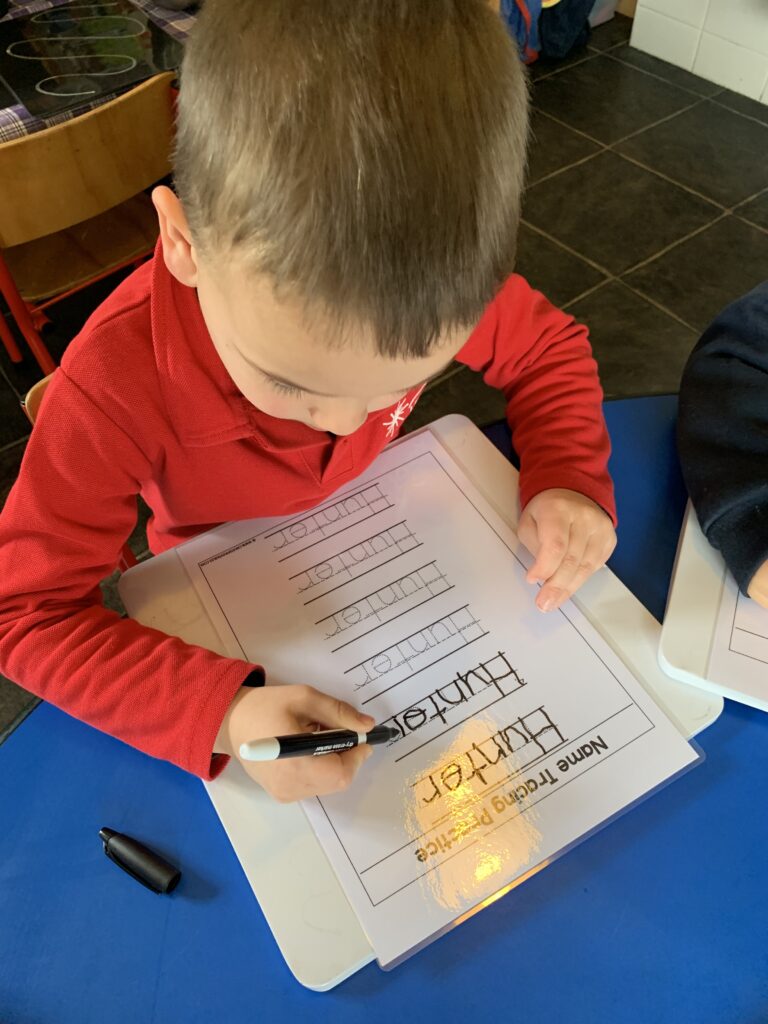
  • Before they can write, they need shoulder stability and core strength.
  • Before they can focus, they need an organised vestibular system.
  • Before they can read efficiently, they need strong visual tracking skills.
  • Movement is not separate from learning.
  • Movement is one of the foundations of learning.

This is also a natural place to incorporate the research-supported contentfrom the previous blogs around:

  • Outdoor play and school readiness
  • Executive functioning
  • Physical activity and learning readiness
  • Movement and brain development

What My Own Children Taught Me

Some of my greatest lessons about child development did not come froma textbook or a training course. They came from raising my own four sonsand from spending more than forty years working alongside children,families, and educators.


Like many families, our mornings could sometimes feel rushed and chaotic. There were school bags to find, lunches to pack, shoes to locate, and four boys to get organised and out the door on time.

What I noticed was that on the mornings when we sat together for just ten minutes and completed simple Brain Gym and movement activities as a family, everything changed.

The boys seemed calmer.
They listened more easily.
They appeared more focused and organised.
They took greater responsibility for gathering their belongings and preparing for the day ahead.

At the time, I simply knew it worked. Today, we understand much more about why.


Movement helps organise the nervous system, activate both sides of the brain, support attention, and prepare children for learning.


What looked like a simple ten-minute family routine was actually helping prepare their brains and bodies for the day ahead.

Sometimes The Answer Is Not What We Expect

Another experience involved one of my sons who was struggling with reading. Teachers noticed he was having difficulty tracking words across the page. Reading appeared hard work, and he frequently lost his place. Initially, we were advised that he may need glasses.


Fortunately, we sought further assessment through a behavioural optometrist. What was discovered was not a problem with his eyesight itself, but with how his eyes were working together and tracking across the page.

Through a programme of visual tracking and eye movement exercises, his visual skills improved significantly. Over time, he no longer required the glasses that had originally been recommended.

That experience was a powerful reminder that before we assume a child has a learning difficulty, we need to investigate the foundations that support learning. Sometimes the challenge is not intelligence. Sometimes it is not motivation. Sometimes it is not behaviour. Sometimes it is a developmental skill that simply needs support and strengthening.


I have seen this same pattern repeatedly throughout my career.

What I Have Seen Repeatedly Throughout My Career

Why Some Children Suddenly Thrive In Neurodiverse-Friendly Schools

These supports benefit neurodiverse children enormously. They also benefit children whose developmental foundations may still be developing. But an actual fact is that every child needs a school environment that provides this for them.

Questions Every Parent Should Ask

Every Child Deserves To Be Understood

However, every child also deserves the opportunity for us to look deeper.

  • Every child deserves adults who are willing to ask questions before jumping to conclusions.
  • Every child deserves adults who understand that behaviour is often a symptom rather than the cause.
  • Sometimes a diagnosis is absolutely appropriate and life-changing for a family. It can open doors to support, understanding, and opportunities that help children thrive.

But sometimes the greatest gift we can give children is taking the time to ask one more question:

Could there be an underlying developmental foundation that needs strengthening first?

Before we assume a child has a lifelong challenge, let us first ensure we have explored the foundations that support learning, behaviour, emotional regulation, movement, and development.

Because when we take the time to look beneath the behaviour, we often discover a very different story.

  • A story of a child who is trying their best.
  • A story of a child whose brain and body may simply need additional support.
  • A story of possibilities rather than limitations.

As parents, educators, and professionals, our responsibility is not to rush towards labels. Our responsibility is to understand children well enough to know what support they truly need.

Because every child deserves the chance to be seen for who they are, not simply for the challenges they present.

And when we take the time to strengthen the foundations beneath learning, behaviour, and development, we create something every child deserves:


The opportunity to thrive.

Take Your Learning Further

Go beyond the blog with practical, evidence-informed training

designed for educators, parents, and professionals.

Take Your Learning Further

Go beyond the blog with practical, evidence-informed training designed for educators, parents, and professionals.

Leave a Reply

Your email address will not be published. Required fields are marked *