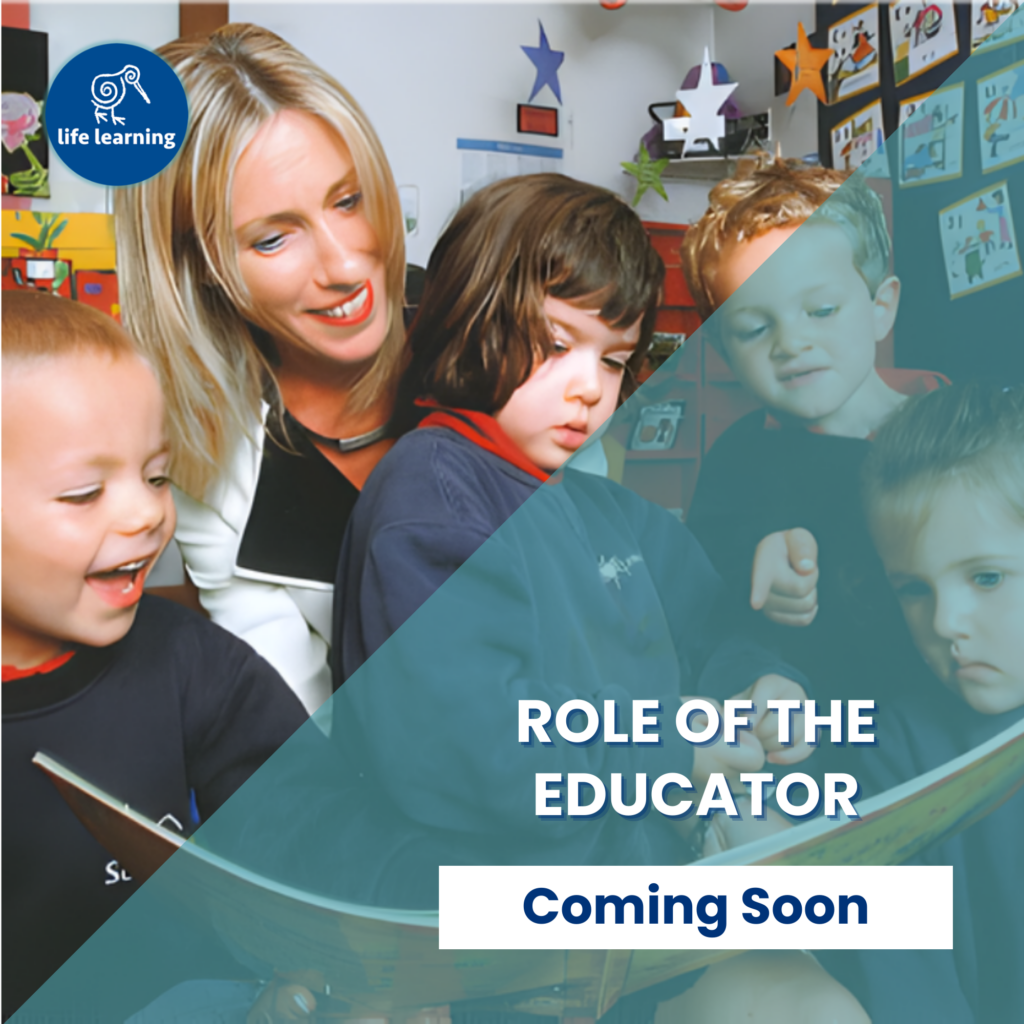
Creativity Part 3: The Educator’s Role in Nurturing Creativity
Course Overview
Teachers play a vital role in nurturing children’s creativity.
This course explores how educators can intentionally support children to explore a wide range of media, deepen their thinking, strengthen creative dispositions, and build confidence in expressing ideas through many languages.
It highlights the importance of the teacher as guide, co-learner, coach, and collaborator. Rather than directing children’s creativity, the teacher’s role is to observe closely, ask thoughtful questions, extend learning, introduce tools and techniques at the right time, and help children notice detail, reflect on their work, and learn from one another.
Why This Course Matters
Creativity does not grow through resources alone. It grows through the relationships, conversations, and intentional teaching that surround children’s experiences.
When educators understand their role in the creative process, they are better able to:
Deepen children’s learning rather than rush the outcome
Strengthen dispositions such as imagination, perseverance, and collaboration
Help children work with increasing skill and confidence across a range of media
Support children to reflect, communicate, and represent ideas in different ways
Create a culture where children learn with and from one another
What You Will Learn
In this course, you will explore:
The role of the teacher in supporting creativity
How to engage with children in reflective, creative, deliberate ways
How to strengthen dispositions such as creativity, imagination, perseverance, determination, and collaboration
How to help children slow down, notice detail, and take time with their work
How to use language that extends learning and avoids judgement
How to encourage children to learn from each other and share ideas
How to coach children in using tools and materials without taking over
How to use teachable moments when things do not go to plan
How to invite children to represent and re-represent ideas through different media
How moving between materials, scales, and dimensions deepens thinking and perspective
What Makes This Course Valuable
This course will help educators better understand how to be intentional in the creative process without controlling it. It shows how thoughtful teaching can support children to become more observant, capable, expressive, and collaborative learners.
You will gain practical ideas for how to:
Talk with children about their work in meaningful ways
Help children notice line, texture, movement, shape, colour, and space
Encourage children to revisit and refine their ideas over time
Support peer learning and collaboration
Introduce techniques and tools when children are ready
Use multiple art languages to deepen understanding and expression
Who This Course Is For
This course is designed for:
Early childhood teachers and educators
Primary teachers and educators
Centre leaders and owners
Home-based educators
Teacher aides and support staff
Parents and caregivers interested in supporting children’s creativity
Key Takeaway
The teacher’s role in creativity is not to do it for the child, but to notice, guide, encourage, extend, and value the child’s thinking.
When educators engage in this way, creativity becomes deeper, more thoughtful, more collaborative, and more meaningful for children.
What Are You Waiting For?
Join Creativity Part 3: The Role of the Teacher and strengthen your understanding of how intentional teaching can nurture children’s creativity, confidence, and capacity to express ideas in many ways.