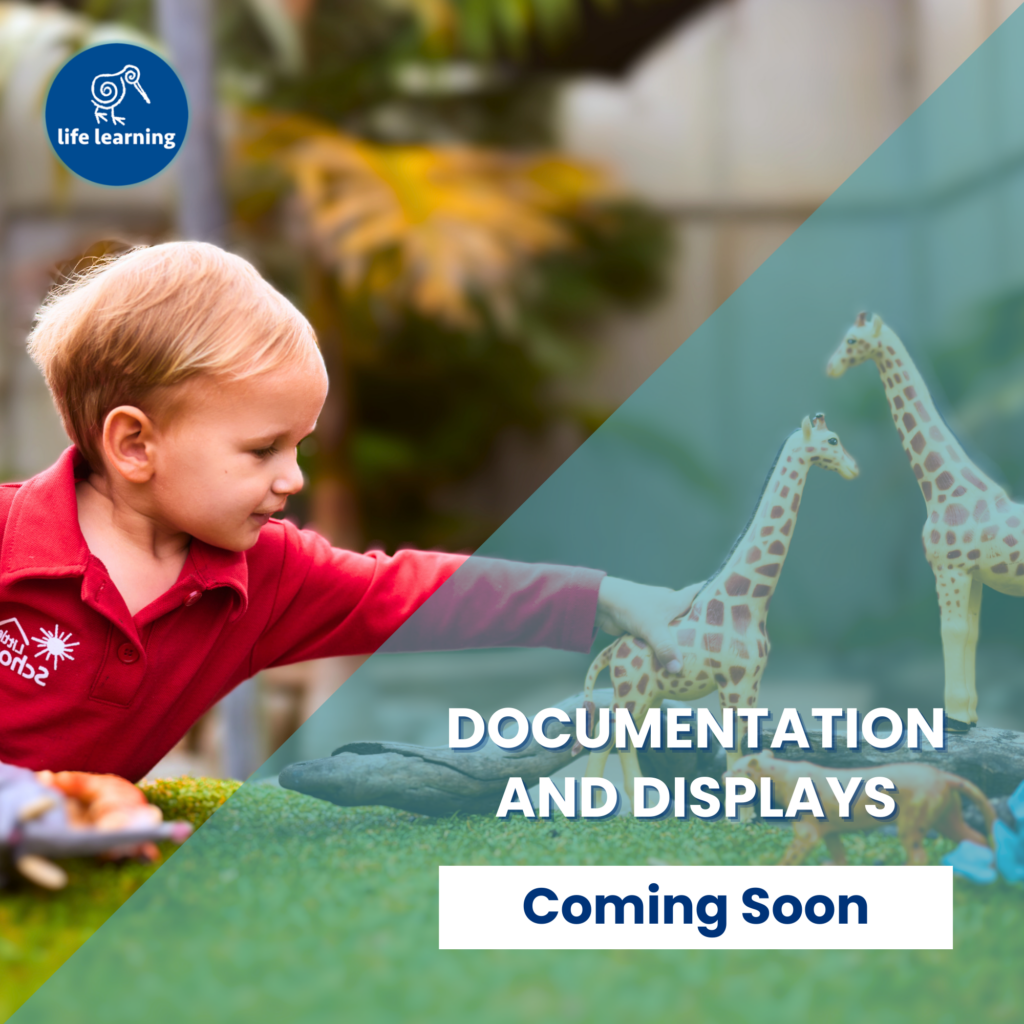
Making Learning Visible Through Documentation and Display
Course Overview
Documentation and display are powerful parts of children’s learning. Displaying children’s work without the story behind it can miss the deeper meaning of what children are exploring, thinking, and discovering.
This course helps educators understand how documentation makes learning visible and how thoughtful display can honour children’s ideas, strengthen relationships, and invite deeper reflection.
It explores how art becomes a language for learning, inquiry, expression, collaboration, and meaning-making, and how teachers can use documentation to better understand children’s theories, questions, emotions, and learning processes.
Why This Course Matters
When documentation is done well, it goes far beyond showing finished work. It helps educators notice what children are investigating, what questions they are asking, what relationships they are building, and how their thinking is developing over time.
Thoughtful documentation and display can:
Make children’s learning visible
Help teachers plan meaningful next steps
Deepen inquiry and collaboration
Build pride and ownership in children
Invite families into children’s learning journeys
Spark conversation, reflection, and new insights
Strengthen a culture of curiosity and investigation
What You Will Learn
In this course, you will explore:
Why documentation is essential to understanding children’s learning processes
How art can be used as a tool for investigating, questioning, theorising, and collaborating
What to collect in meaningful documentation, including notes, photos, conversations, videos, and samples of work
How to observe children closely and record specific detail
How to use documentation to interpret children’s play, theories, relationships, and questions
How documentation supports responsive planning and next steps
How to create displays that are respectful, meaningful, and visually effective
Why the story behind the work matters as much as the work itself
How display can help children and families revisit learning
How to create a beautiful studio or art space that supports creativity, focus, and expression
What Makes This Course Valuable
This course gives educators practical guidance for moving beyond decorative displays and instead creating documentation that captures the richness of children’s learning.
You will gain greater confidence in how to:
Observe children with intention
Make learning visible through documentation
Capture meaningful moments rather than staged ones
Use children’s words and actions as part of the learning story
Design displays that honour the child’s process and voice
Create art spaces that nourish the senses, curiosity, and creativity
Who This Course Is For
This course is designed for:
Early childhood teachers and educators
Primary teachers and educators
Centre leaders and owners
Home-based educators
Teacher aides and support staff
Anyone wanting to strengthen documentation, display, and inquiry-based practice
Key Takeaway
Documentation and display are not extras.
They are part of how we listen to children, understand their learning, and make their thinking visible.
When we document with care and display with purpose, we create a culture where children’s ideas are valued, families are included, and learning becomes deeper, richer, and more meaningful.
What Are You Waiting For?
Join Part 4: Documentation and Display and learn how to make children’s creativity, inquiry, and learning visible in ways that are respectful, beautiful, and deeply connected to practice.