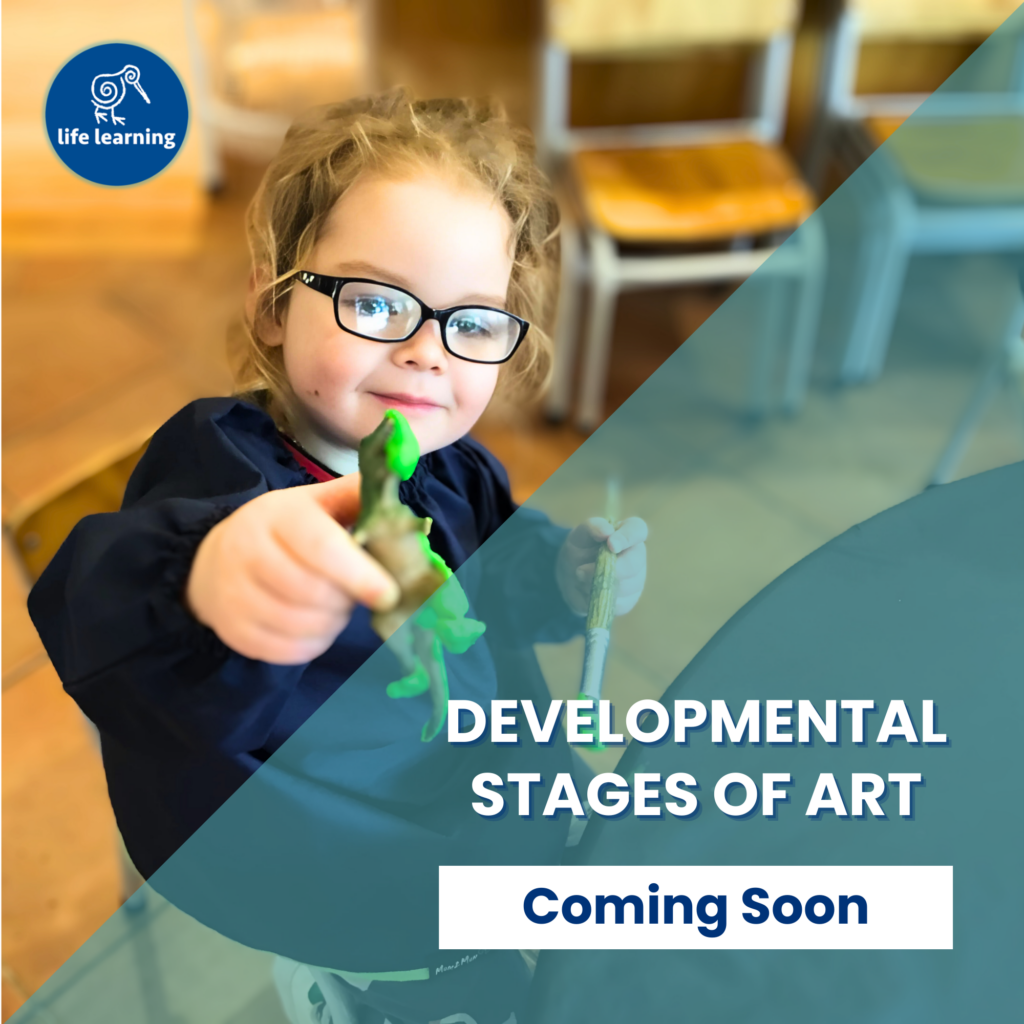
Understanding the developmental stages of art helps educators recognise how children grow in confidence, control, expression, and meaning-making through creative experiences.
This course explores how children’s art develops over time, why process matters more than product, and how teachers can intentionally support each stage in ways that build competence, curiosity, and creativity.
It also highlights how children develop knowledge through art, exploration, and the hundred languages, and how educators can use materials, provocations, and open-ended questions to extend learning in meaningful ways.
Why This Course Matters
When educators understand the developmental stages of art, they are better able to respond to children’s work with respect, insight, and intention.
Rather than judging or directing the end product, teachers can support children to explore materials, build fluency, express ideas, and develop confidence in their own creative abilities.
This matters because art is not just about making something.
It is a powerful way for children to communicate understandings, emotions, questions, theories, and ideas.
What You Will Learn
In this course, you will explore:
The stages of children’s art development
What children are learning and developing at each stage
How to support art as a sensory, motor, cognitive, and expressive process
The importance of open-ended resources and provocations
How to use descriptive language and open-ended questions when talking with children
How children build knowledge through art and the hundred languages
The role of exploration before technique
Practical ways to incorporate art and creativity into everyday practice
What Makes This Course Valuable
This course will help you move beyond product-focused art experiences and better understand the deeper learning taking place when children paint, draw, sculpt, arrange, construct, and experiment with materials.
You will gain practical insight into how to:
Support children at their own developmental pace
Offer materials in ways that encourage confidence and fluency
Create provocations that invite investigation and expression
Ask questions that deepen thinking without judging or labelling
Use art as a meaningful language for communication, collaboration, and creativity
Who This Course Is For
This course is designed for:
Early childhood teachers and educators
Primary teachers and educators
Centre leaders and owners
Home-based educators
Teacher aides and support staff
Parents and caregivers interested in children’s creative development
Key Takeaway
When children are given time, space, materials, and thoughtful support, art becomes much more than an activity.
It becomes a language for thinking, feeling, exploring, and communicating.
Understanding the developmental stages of art helps educators nurture creativity in ways that are respectful, intentional, and deeply supportive of children’s growth.
What Are You Waiting For?
Join Developmental Stages of Art and strengthen your understanding of how children develop through art, creativity, and the hundred languages.