The Silent Shift: What Screens Are Really Doing to Our Children’s Brains
Have you ever stopped and wondered…
Why more children are struggling to focus?
Why behaviour feels harder to manage?
Why learning doesn’t seem to “stick” the way it used to?
It’s easy to point to behaviour.
It’s easy to blame attention.
But what if the real story is deeper than that?
What if it’s happening inside the brain itself?
What the Latest Research Is Telling Us
Recent research is now showing something we can no longer ignore:
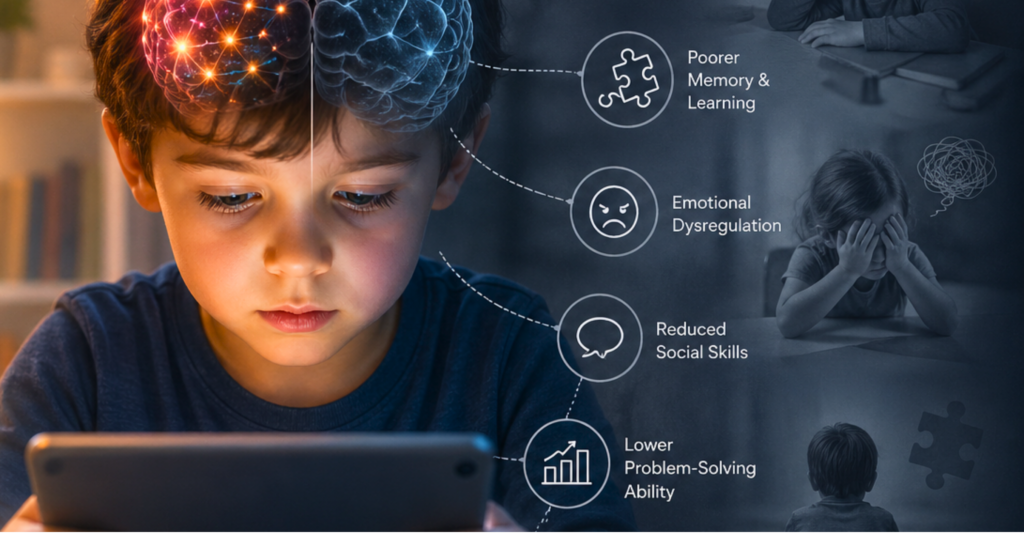
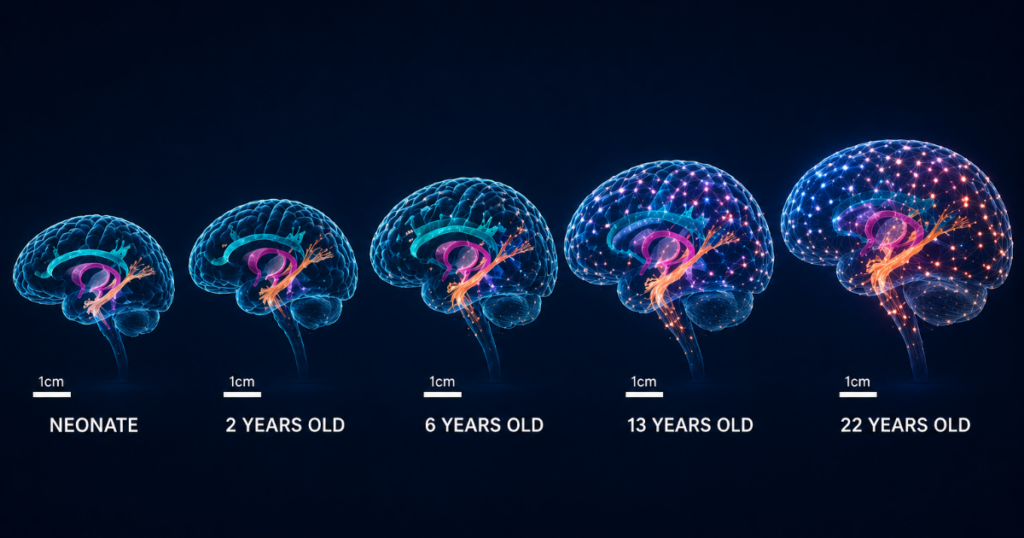
High levels of screen time are linked to changes in children’s brain structure, particularly white matter.
White matter is responsible for:
Communication between different parts of the brain
Processing speed
Language development
Attention and focusWhen white matter pathways are strong, information flows easily.
When they are not, learning becomes harder, and here’s the concerning part: Studies are now showing that increased screen use in young children is associated with lower integrity of these white matter pathways, especially those linked to language and early literacy.
Why This Matters in Early Childhood
Let’s be clear, this isn’t about fear. It’s about understanding what screens replace.
When a child is on a device:
The body is still
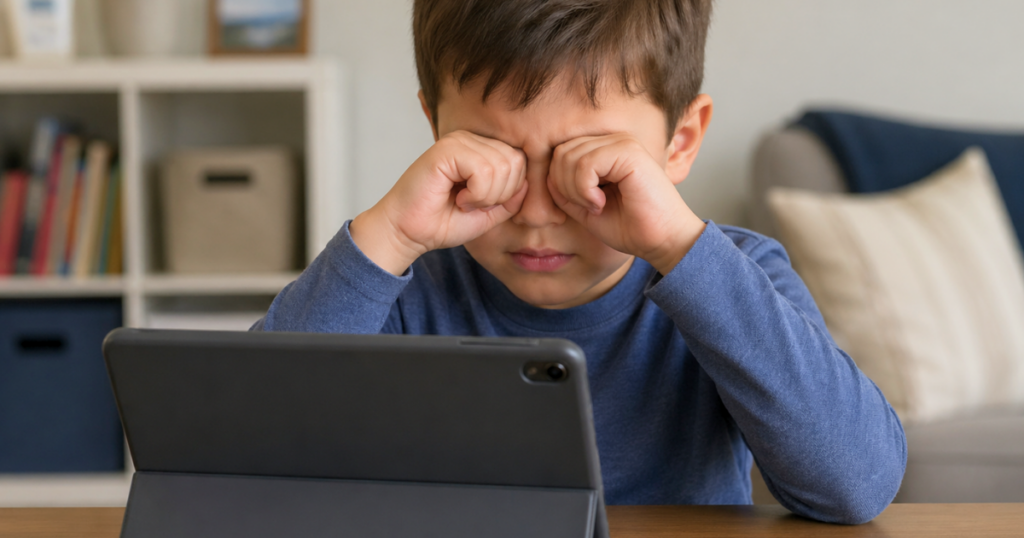
The eyes are fixed in one position
The brain is receiving fast, passive stimulation
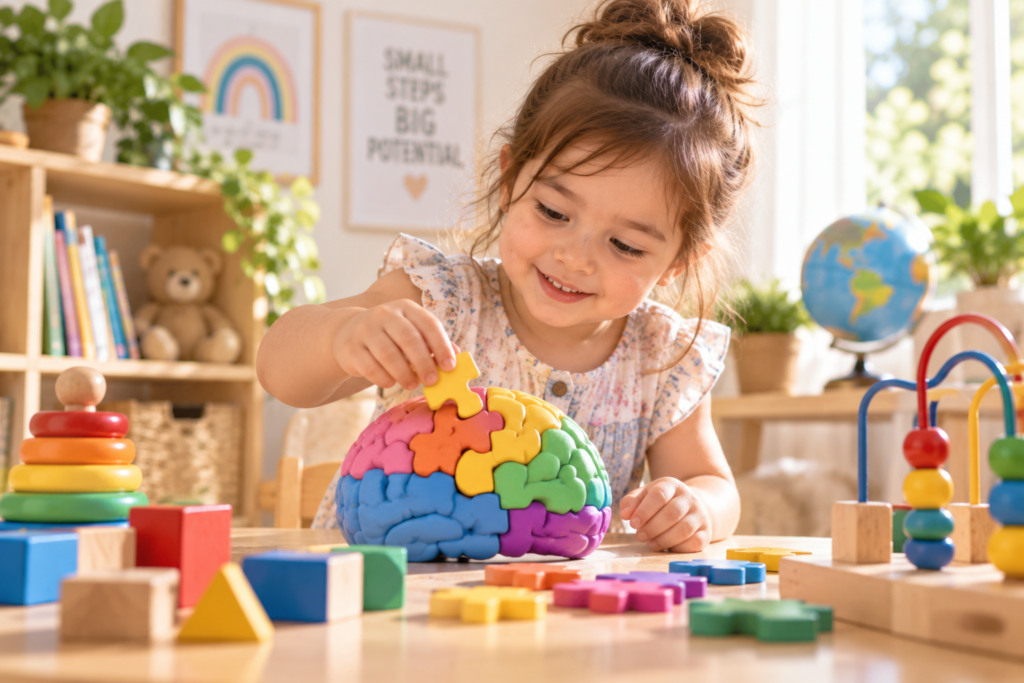
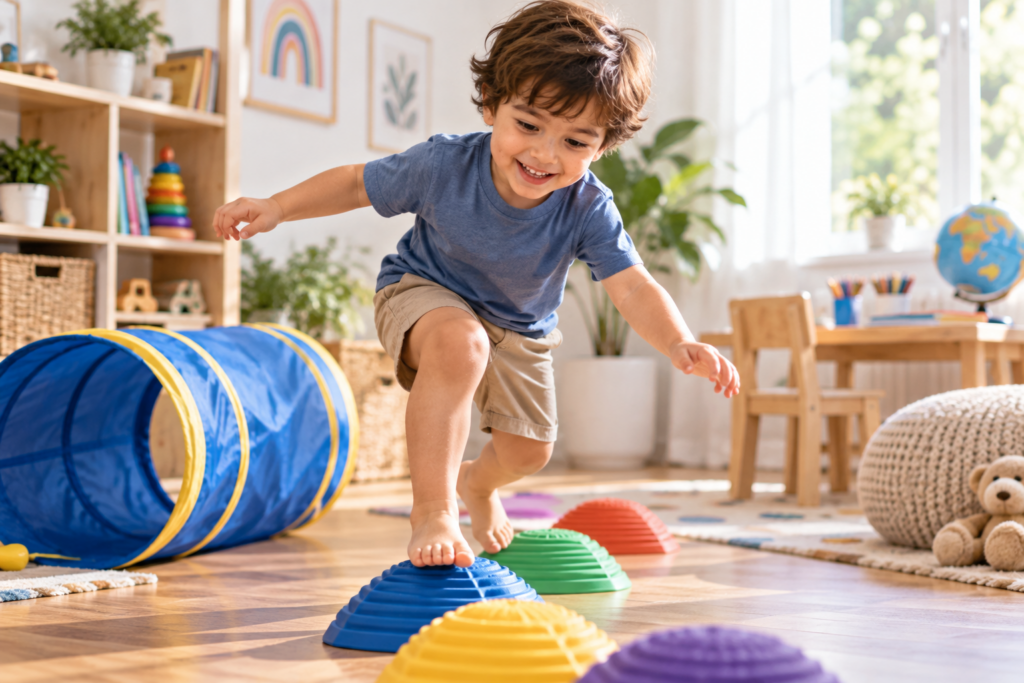
But when a child is playing:
The body is moving
The senses are engaged
The brain is actively building connections
All learning begins with the body. Movement and sensory experiences build critical brain pathways. Screens cannot replicate this.
The Impact on Attention and Behaviour
This is where many parents and teachers are feeling it the most.
We are seeing:
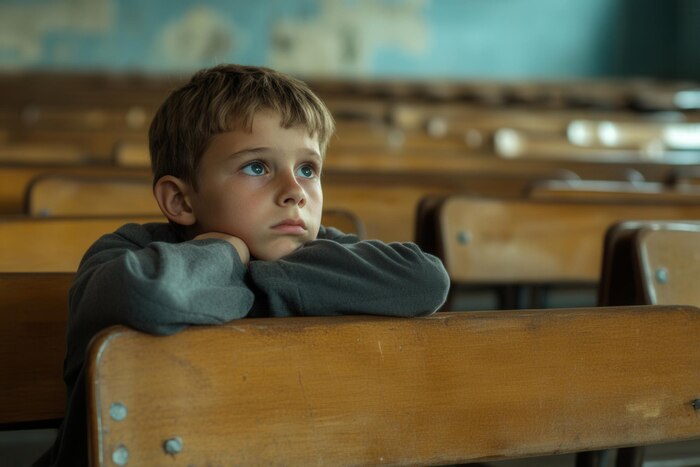
Shorter attention spans
Increased impulsivity
Difficulty regulating emotions
Challenges with focus and persistence
But this isn’t just behavioural. It’s neurological.
When the brain becomes used to:
Fast-paced input
Instant rewards
Constant stimulation
…it becomes harder to engage in:
Slow thinking
Deep focus
Real-world problem solving
And so, the child who “can’t sit still”, may actually have a brain that hasn’t yet developed the pathways required to do so.
The Overlooked Piece: Vision and the Brain
Another growing concern is how screens affect visual development.
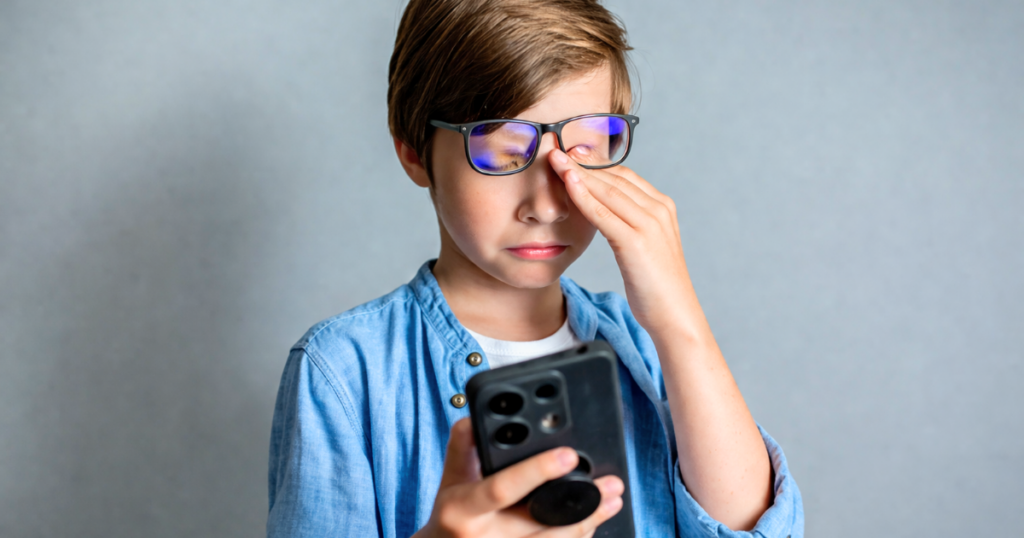
Excessive screen time can lead to “ocular lock,” where eye muscles don’t get the movement they need, affecting tracking and focus.
This directly impacts:
Reading ability
Attention
Concentration
Because the eyes are not just seeing… They are guiding the brain.
This Isn’t About Blame
Let’s be honest.
Screens are part of our world.
They are convenient and they are everywhere.
This is not about removing them completely.
It’s about recognising that: Children’s brains still develop the same way they always have.
Create opportunities for real, hands-on experiences
Let children be bored (this builds creativity and thinking)
A Shift in How We See Behaviour
Instead of asking:
“Why can’t this child focus?”
We can ask:
“Has this child had enough real-world experiences to build focus?”
Because behaviour is often the outcome…not the cause.
Where to Next?
Understanding brain development in today’s world is more important than ever.
At Little School and through Life Learning, we help parents and educators:
Make sense of behaviour through a developmental lens
Understand what children truly need to learn
Use simple, practical strategies that actually work
Final Thought
The research is clear.
The brain is shaped by experience.
So the question becomes: What experiences are we giving our children most? Because screens may be easy… but movement, play, and connection are what truly build the brain, and that is where real learning begins.