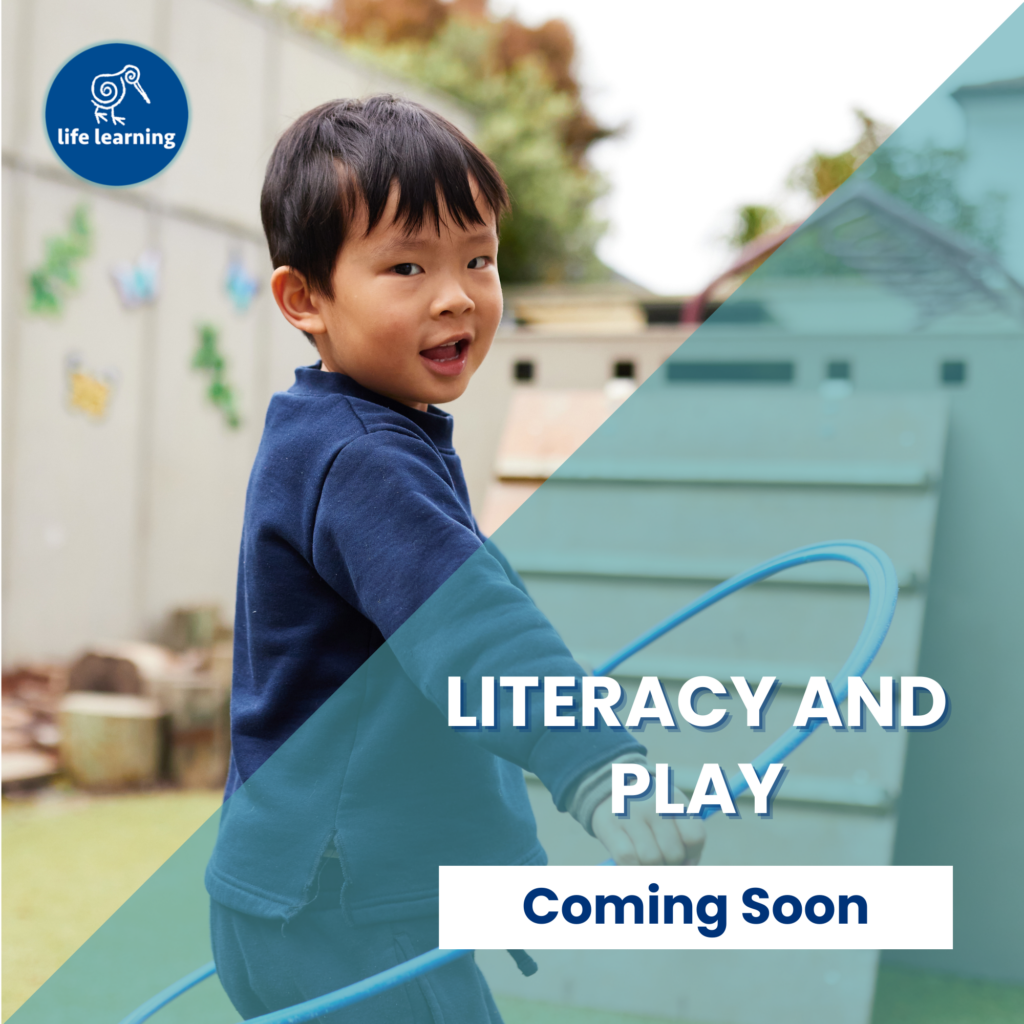
Learning Literacy Through Play: Building Oral Language, Story, and Early Reading Foundations
Course Overview
Literacy begins long before formal reading and writing.
It grows through relationships, oral language, story, songs, mark-making, symbols, books, dramatic play, and meaningful everyday experiences.
This course explores how children develop literacy through play and how educators can intentionally create environments, interactions, and provocations that strengthen language, communication, comprehension, early print awareness, and confidence as emerging readers and writers.
Why This Course Matters
Children do not learn literacy best through pressure or early formal instruction alone. Early literacy develops through rich oral language, playful experiences, responsive adults, shared reading, print-rich environments, and opportunities to communicate for real purposes.
Research and curriculum guidance continue to emphasize that oral language is foundational, that literacy emerges over time, and that playful, meaningful contexts support stronger engagement and understanding.
What You Will Learn
In this course, you will explore:
What literacy means in the early years
How play supports oral language, storytelling, vocabulary, and comprehension
Why oral language is the foundation for later literacy learning
How pretend play supports narrative competence, sequencing, and expressive language
How songs, rhymes, stories, and conversation build phonological awareness
How children begin to understand print, symbols, and mark-making through play
How to create literacy-rich play spaces across the learning environment
How to support emergent writing, reading, speaking, listening, and viewing in meaningful ways
How to use books, props, dramatic play, loose parts, and invitations to strengthen literacy learning
The role of the adult in scaffolding literacy through play without taking over
These areas align closely with current guidance that highlights emergent literacy, print-rich environments, joy with reading, and using literacy for a range of purposes in early learning settings.
What Makes This Course Valuable
This course helps educators move beyond seeing literacy as something separate from play.
Instead, it shows how literacy lives within play when children negotiate roles, tell stories, make signs, use symbols, revisit favourite books, experiment with writing, and talk through ideas with others.
It also gives practical ways to strengthen literacy learning across areas such as the writing space, book area, dramatic play, block play, science, sensory play, and outdoor play.
Who This Course Is For
This course is designed for:
Early childhood teachers and educators
New kaiako wanting stronger confidence in early literacy practice
Centre leaders and owners
Home-based educators
Parents and caregivers wanting to support literacy in natural, playful ways
Key Takeaway
When literacy is woven through play, children experience reading, writing, speaking, listening, and meaning-making as purposeful, joyful, and connected to real life.
By strengthening oral language, story, symbol use, print awareness, and playful communication, educators build the foundations children need for later literacy
What Are You Waiting For?
Join Learning Literacy Through Play and discover how to nurture confident communicators, storytellers, early readers, and writers through rich, meaningful, play-based practice.