Midline & Bilateral Coordination – Helping the Brain Talk to Itself

If a child swaps hands, avoids crossing their body, or struggles with coordination — it’s often a midline issue, not a learning problem.
Midline is the imaginary line down the centre of the body. Crossing the midline means one side of the body can move into the other side smoothly.
This is essential for:
- reading and writing
- eye tracking
- coordination
- two-handed tasks
- left/right brain communication
If children haven’t developed strong midline integration, learning tasks become harder because the two sides of the brain aren’t working together efficiently.
Simple midline activities
- crawling
- marching with opposite arm and leg
- large figure-8 drawing
- ball throwing and catching across the body
- body tapping games
These movements strengthen the neural pathways needed for academic learning later.
If a child swaps their hands constantly, avoids crossing their body, struggles with coordination, or finds writing unusually tiring, it is often not a learning problem. It is often a midline development issue.
Understanding midline and bilateral coordination in children can completely change how we support them. Midline refers to the imaginary line that runs down the centre of the body – from the top of the head to the toes. Crossing the midline means one side of the body can move smoothly to the other side without the child needing to turn their whole body.
While this may seem simple physically, neurologically it is significant.
When children can cross the midline with ease, the left and right hemispheres of the brain are communicating efficiently. This integration is what allows the brain to “talk to itself.” It supports bilateral coordination – the ability to use both sides of the body together in a smooth, organised way.
Strong bilateral coordination in children underpins everyday skills such as dressing, cutting with scissors, catching a ball, and eventually reading and writing. When midline integration is weak, tasks that require coordination across the body feel harder than they should. A child may switch hands while drawing because one hemisphere fatigues. They may avoid crossing their body and instead rotate their whole torso. They may struggle with eye tracking across a page when reading. They may find two-handed tasks frustrating. This is not about intelligence. It is about neural connectivity.
Midline development and bilateral coordination form part of the sensory-motor foundations that academic learning depends on.
If the two hemispheres are not communicating efficiently, learning tasks can feel exhausting. Children may appear distracted, resistant, clumsy, or fatigued during writing tasks.
The solution is providing plenty of crossing the midline activities embedded naturally into movement and play.
The brain develops from the body up.
Before children can perform complex academic tasks, the neural pathways that connect both hemispheres must be strengthened through physical experience.
Crawling is one of the earliest and most powerful midline integration activities. When a baby moves opposite arm to opposite leg, both hemispheres are firing together. This cross-lateral patterning builds foundational communication pathways in the brain.
Marching with opposite arm and leg continues this bilateral coordination pattern. Drawing large figure eights in the air or on paper strengthens visual midline crossing. Throwing and catching a ball across the body reinforces cross-body coordination. Even simple body tapping games that move rhythmically from one side to the other support neural integration.
These are not random movement games. They are intentional crossing the midline activities that strengthen the neural pathways required for reading, writing, eye tracking, and coordinated movement.
Over the years, I have seen children who struggled with reading improve once their midline integration strengthened. I have seen handwriting become more fluid when bilateral coordination improved. I have seen confidence grow because movement became easier and when movement becomes easier, learning follows.
When the brain can communicate smoothly between left and right, everything feels more organised.
At Life Learning, midline movement and bilateral coordination activities are embedded into daily play. Crawling, climbing, cross-body games, rhythm exercises and sensory integration activities are part of our intentional environment because we understand that strong neurological foundations begin in the body.
If your child avoids crossing their body, frequently swaps hands, struggles with coordination, or finds writing exhausting, it may be worth exploring whether their midline development needs strengthening.
Often, the answer is more movement – specifically the right kind of movement. For parents and educators wanting to understand bilateral coordination in children more deeply, Life Learning provides practical guidance grounded in decades of early childhood education experience. When we understand the relationship between movement, midline integration, and learning, we stop labelling children and start supporting their development properly.
If a child is struggling to sit still, hold a pencil, focus in class, or regulate their emotions, we must look at the body first. Not the worksheet. Not the behaviour system. Not the academic expectation. The body.
Because before a child can develop strong fine motor skills, handwriting control, reading stamina, or classroom concentration, they must first build something far more fundamental – strong gross motor foundations.
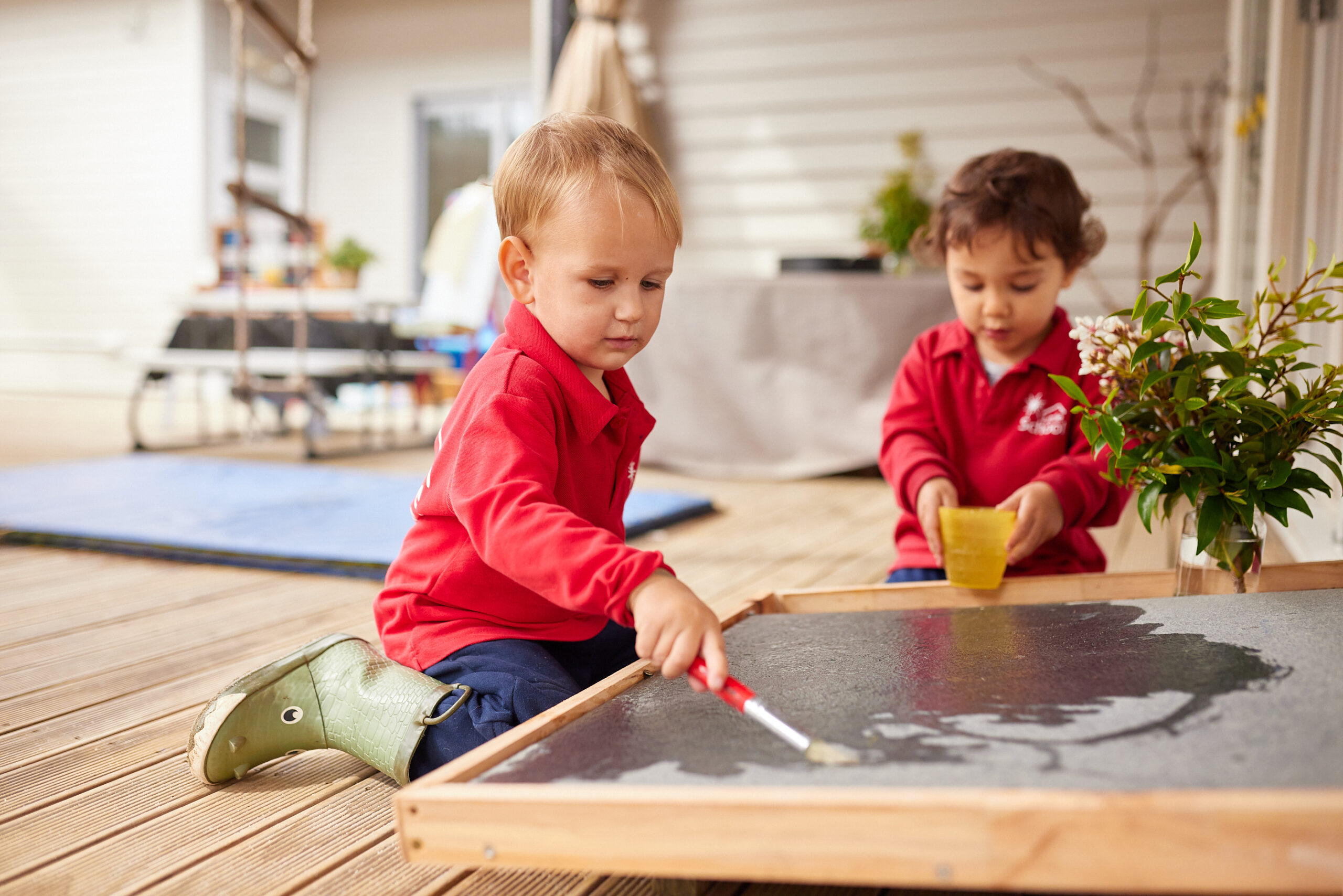
When children run, climb, crawl, roll, balance, hang and jump, they are not “just playing.” They are building the neurological architecture that supports learning.
Gross motor development in early childhood activates the large muscle groups of the body. It builds core strength, postural stability, bilateral coordination, balance, and spatial awareness. These are not optional extras. These are the systems that allow a child to sit upright at a desk, control their hands, and sustain attention during learning tasks.
And here is the critical piece many overlook: Fine motor skills depend on gross motor stability. A child cannot control their pencil if their core is collapsing. They cannot develop fluent handwriting if their shoulders fatigue quickly. They cannot concentrate if their body is working overtime simply to stay upright.
In occupational therapy and developmental neuroscience, this principle is clear: proximal stability before distal mobility. Stability in the trunk and shoulders allows refined control in the wrists and fingers. Without that stability, the hands compensate. You may see tight pencil grips, awkward posture, excessive fidgeting, or frustration during writing tasks.
These are not always behavioural issues. They are often developmental.
By the age of six, approximately 90 percent of brain architecture has formed. The early years are a critical window for building neural pathways through movement. Climbing strengthens the core and shoulder girdle. Crawling supports cross-hemisphere brain integration. Balancing refines the vestibular system. Carrying heavy objects activates proprioception – the body’s calming sense. Rolling and tumbling build spatial orientation and coordination.
Each movement experience lays down pathways that later support literacy, numeracy, attention, and emotional regulation. Movement is not a break from learning. Movement is the beginning of learning.
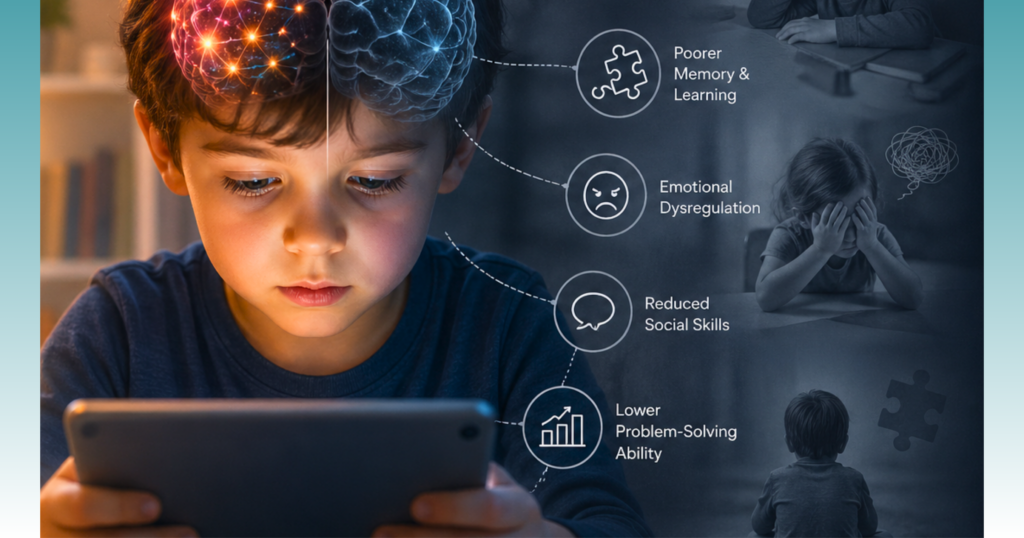
In modern childhood, many children move less. There is more time seated in cars, more time indoors, more time on screens. Yet expectations for school readiness have increased. We expect children to sit, listen, write and focus for extended periods, often without first ensuring their bodies are ready for that demand.
When gross motor development is under-supported, we may see children who struggle to sit upright, who tire easily during writing, who avoid fine motor tasks, who appear inattentive, or who become emotionally reactive because their nervous system is overloaded.
And too often, we ask them to try harder. What they often need is to move more.
Daily outdoor play is not optional in early childhood development. It is neurological nourishment. Climbing playground equipment, hanging from monkey bars, navigating uneven terrain, pushing and pulling objects, building obstacle courses -these are developmental necessities that directly impact school readiness.
At Life Learning in New Zealand, movement is intentionally embedded into every day. We do not separate physical development from cognitive development. We understand that a moving child is a learning child.
“The playground is the first classroom.”
When we support the body first, something remarkable happens. Posture improves. Hand control strengthens. Attention span increases. Emotional regulation stabilises. Academic tasks that once felt overwhelming become achievable. Because the foundation is finally strong enough to hold the demand.
If your child struggles with handwriting, concentration, sitting still, coordination, or emotional regulation, consider looking beneath the surface. Ask whether their gross motor foundations are fully developed.
Sometimes the solution is not more academic instruction. It is more climbing. More crawling. More carrying. More balancing. More real-world movement.
“When we build the body well, the brain follows.”
And when the brain is supported properly in the early years, everything else becomes easier.
Life Learning Courses Launching Soon!



What our Clients Say!

Check our Recent Blogs
Want to learn more?
For educators and parents wanting to understand this more deeply, Life Learning provides the “why” behind what we see every day.
👉 Explore parent and educator learning opportunities at
www.lifelearning.co.nz