If a child is struggling to sit still, hold a pencil, focus in class, or regulate their emotions, we must look at the body first. Not the worksheet. Not the behaviour system. Not the academic expectation. The body.
Because before a child can develop strong fine motor skills, handwriting control, reading stamina, or classroom concentration, they must first build something far more fundamental – strong gross motor foundations.
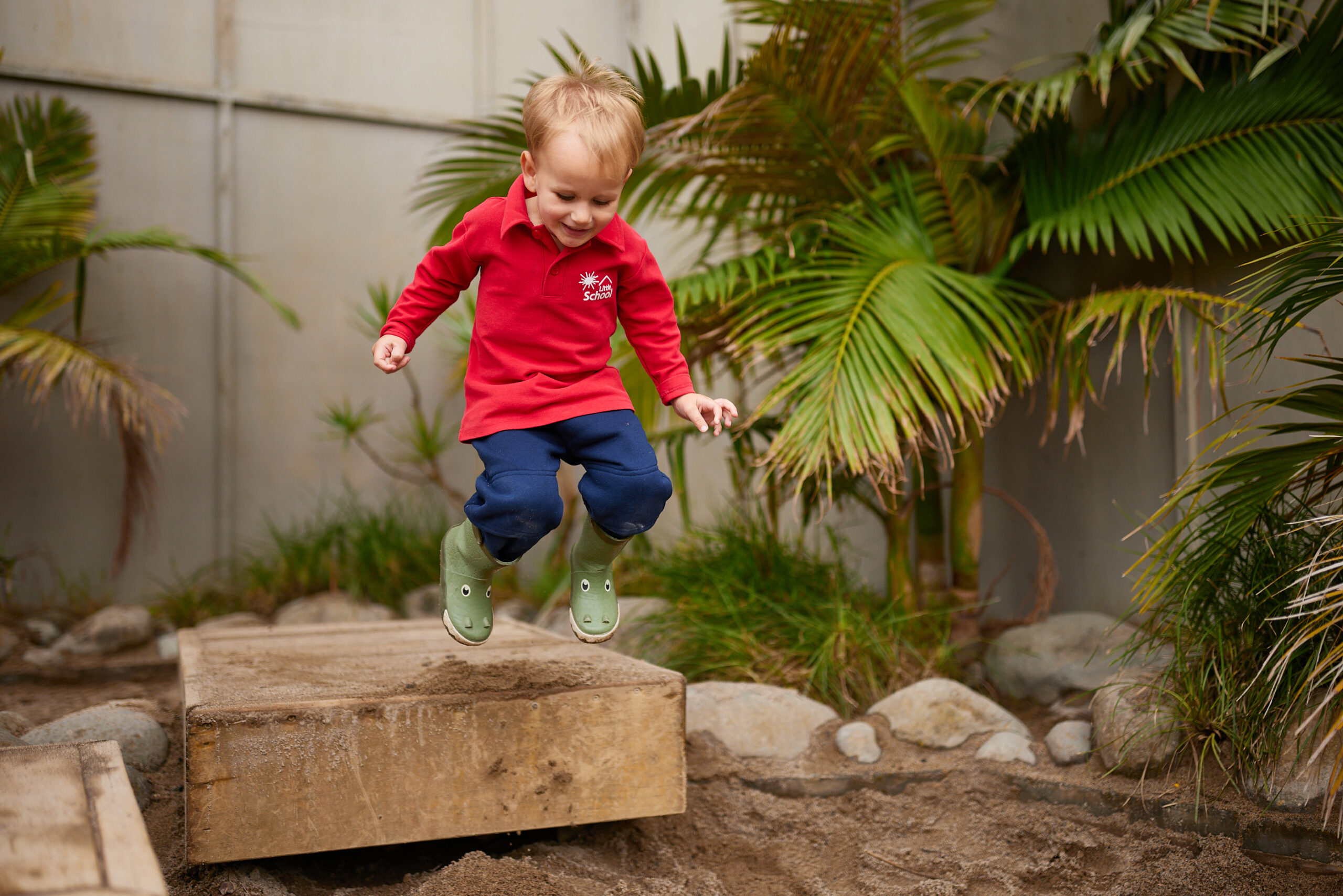
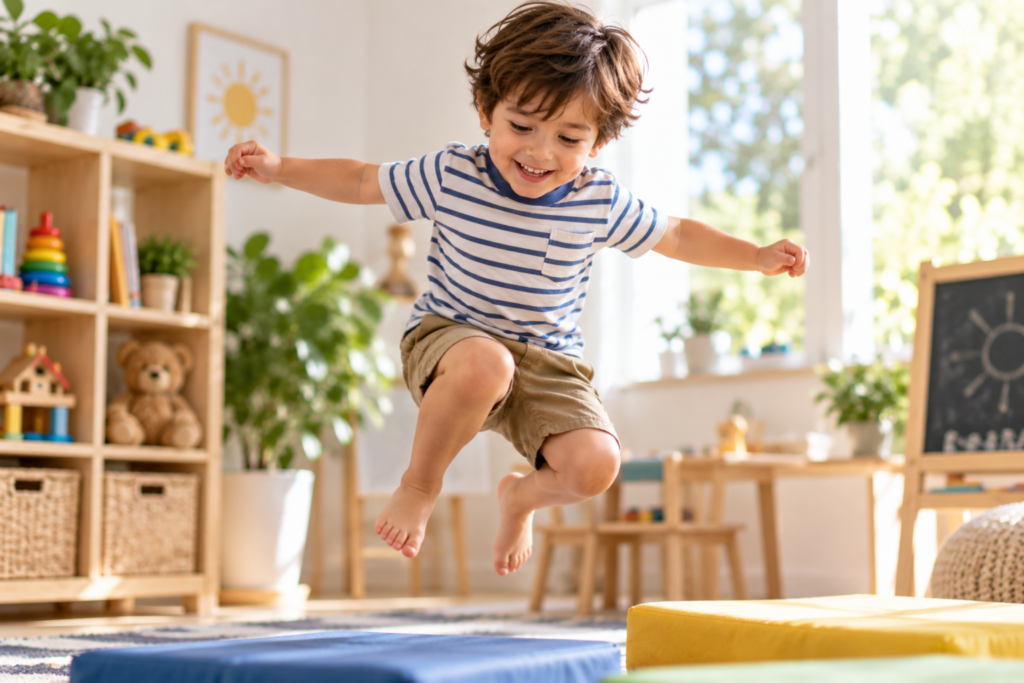
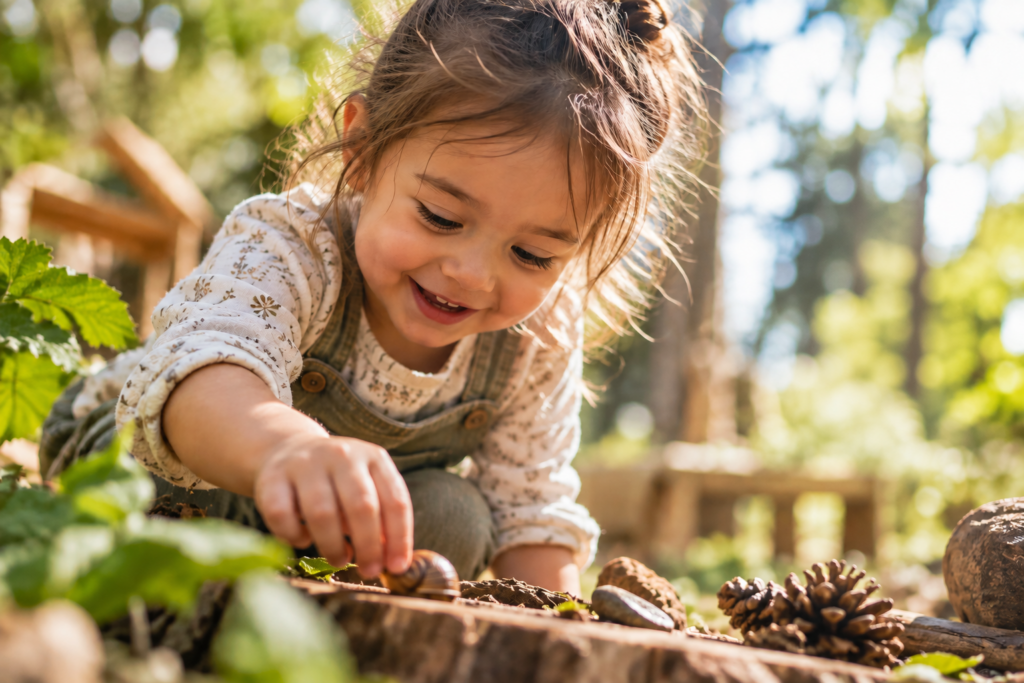
When children run, climb, crawl, roll, balance, hang and jump, they are not “just playing.” They are building the neurological architecture that supports learning.
Gross motor development in early childhood activates the large muscle groups of the body. It builds core strength, postural stability, bilateral coordination, balance, and spatial awareness. These are not optional extras. These are the systems that allow a child to sit upright at a desk, control their hands, and sustain attention during learning tasks.
And here is the critical piece many overlook: Fine motor skills depend on gross motor stability. A child cannot control their pencil if their core is collapsing. They cannot develop fluent handwriting if their shoulders fatigue quickly. They cannot concentrate if their body is working overtime simply to stay upright.
In occupational therapy and developmental neuroscience, this principle is clear: proximal stability before distal mobility. Stability in the trunk and shoulders allows refined control in the wrists and fingers. Without that stability, the hands compensate. You may see tight pencil grips, awkward posture, excessive fidgeting, or frustration during writing tasks.
These are not always behavioural issues. They are often developmental.
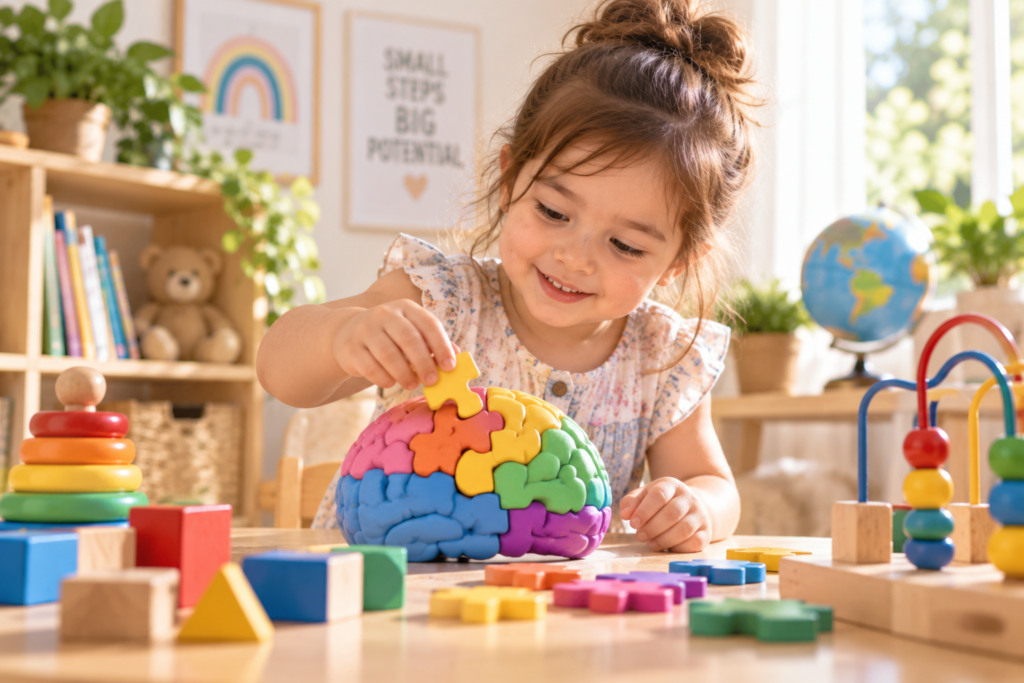
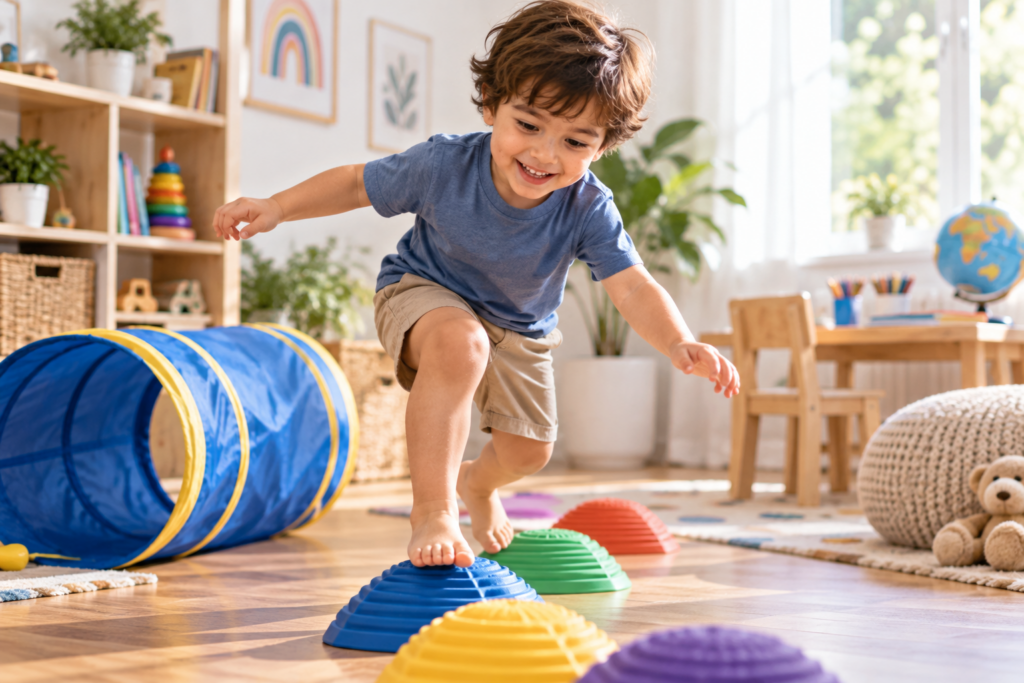
By the age of six, approximately 90 percent of brain architecture has formed. The early years are a critical window for building neural pathways through movement. Climbing strengthens the core and shoulder girdle. Crawling supports cross-hemisphere brain integration. Balancing refines the vestibular system. Carrying heavy objects activates proprioception – the body’s calming sense. Rolling and tumbling build spatial orientation and coordination.
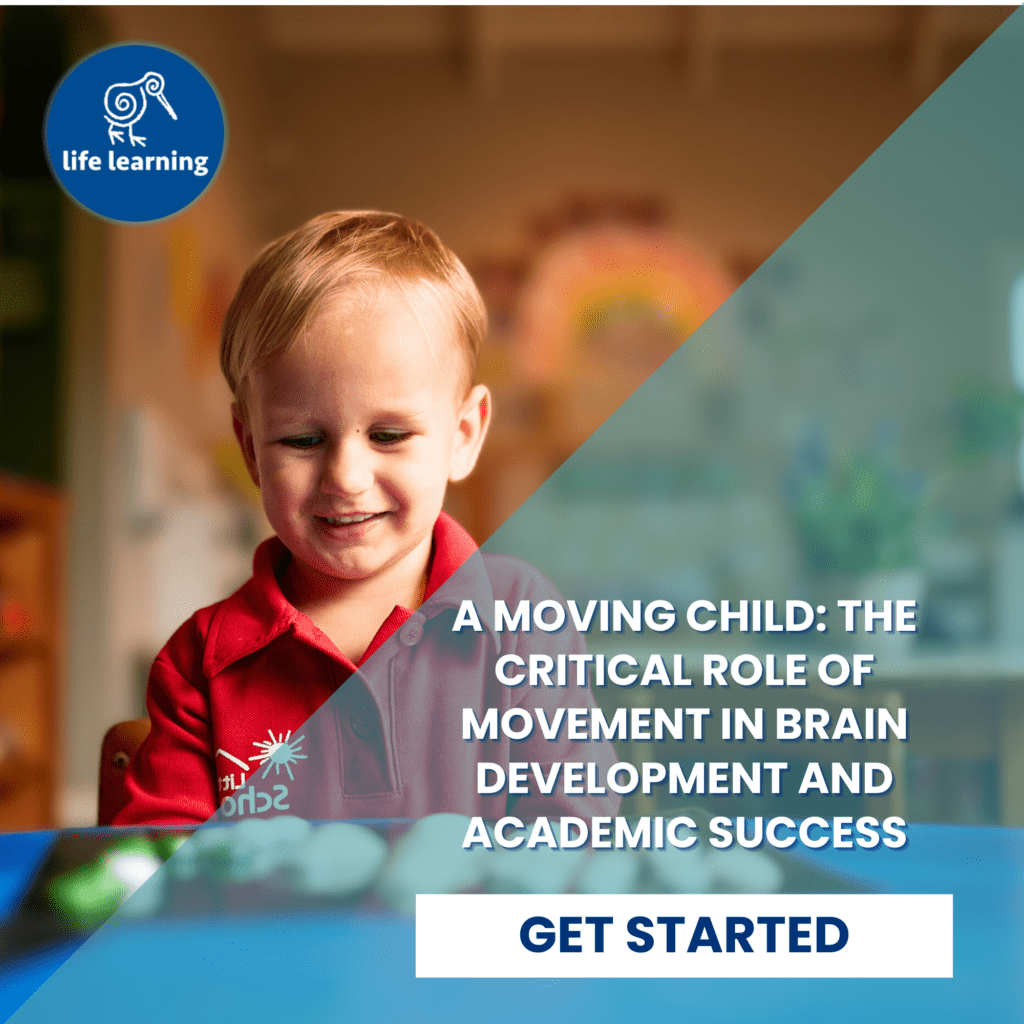
Each movement experience lays down pathways that later support literacy, numeracy, attention, and emotional regulation. Movement is not a break from learning. Movement is the beginning of learning.
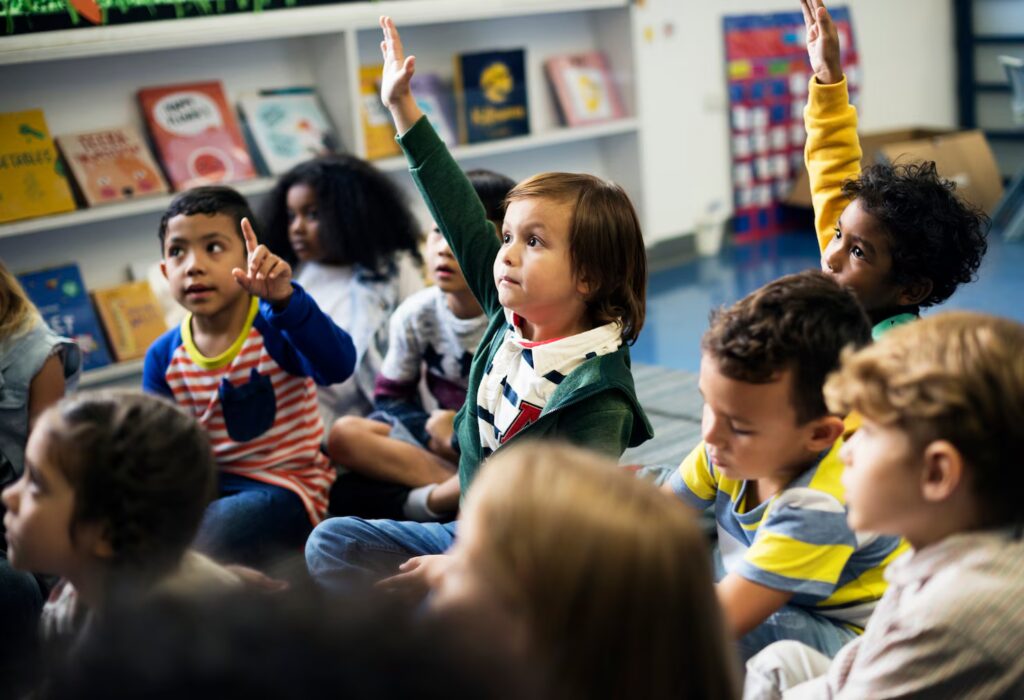
In modern childhood, many children move less. There is more time seated in cars, more time indoors, more time on screens. Yet expectations for school readiness have increased. We expect children to sit, listen, write and focus for extended periods, often without first ensuring their bodies are ready for that demand.
When gross motor development is under-supported, we may see children who struggle to sit upright, who tire easily during writing, who avoid fine motor tasks, who appear inattentive, or who become emotionally reactive because their nervous system is overloaded.
And too often, we ask them to try harder. What they often need is to move more.
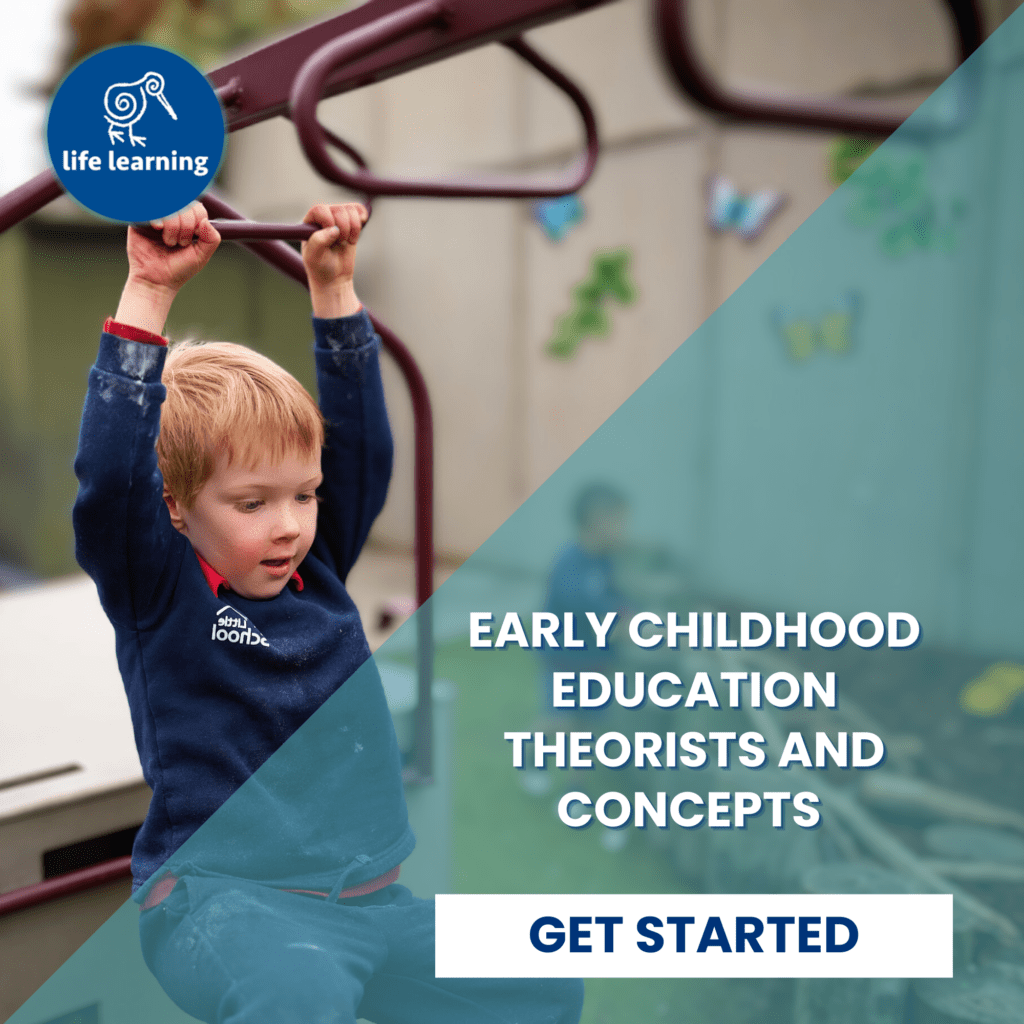
Daily outdoor play is not optional in early childhood development. It is neurological nourishment. Climbing playground equipment, hanging from monkey bars, navigating uneven terrain, pushing and pulling objects, building obstacle courses -these are developmental necessities that directly impact school readiness.
At Life Learning in New Zealand, movement is intentionally embedded into every day. We do not separate physical development from cognitive development. We understand that a moving child is a learning child.
“The playground is the first classroom.”
When we support the body first, something remarkable happens. Posture improves. Hand control strengthens. Attention span increases. Emotional regulation stabilises. Academic tasks that once felt overwhelming become achievable. Because the foundation is finally strong enough to hold the demand.
If your child struggles with handwriting, concentration, sitting still, coordination, or emotional regulation, consider looking beneath the surface. Ask whether their gross motor foundations are fully developed.
Sometimes the solution is not more academic instruction. It is more climbing. More crawling. More carrying. More balancing. More real-world movement.
“When we build the body well, the brain follows.”
And when the brain is supported properly in the early years, everything else becomes easier.