Proprioception – The Body’s “Calming Sense”

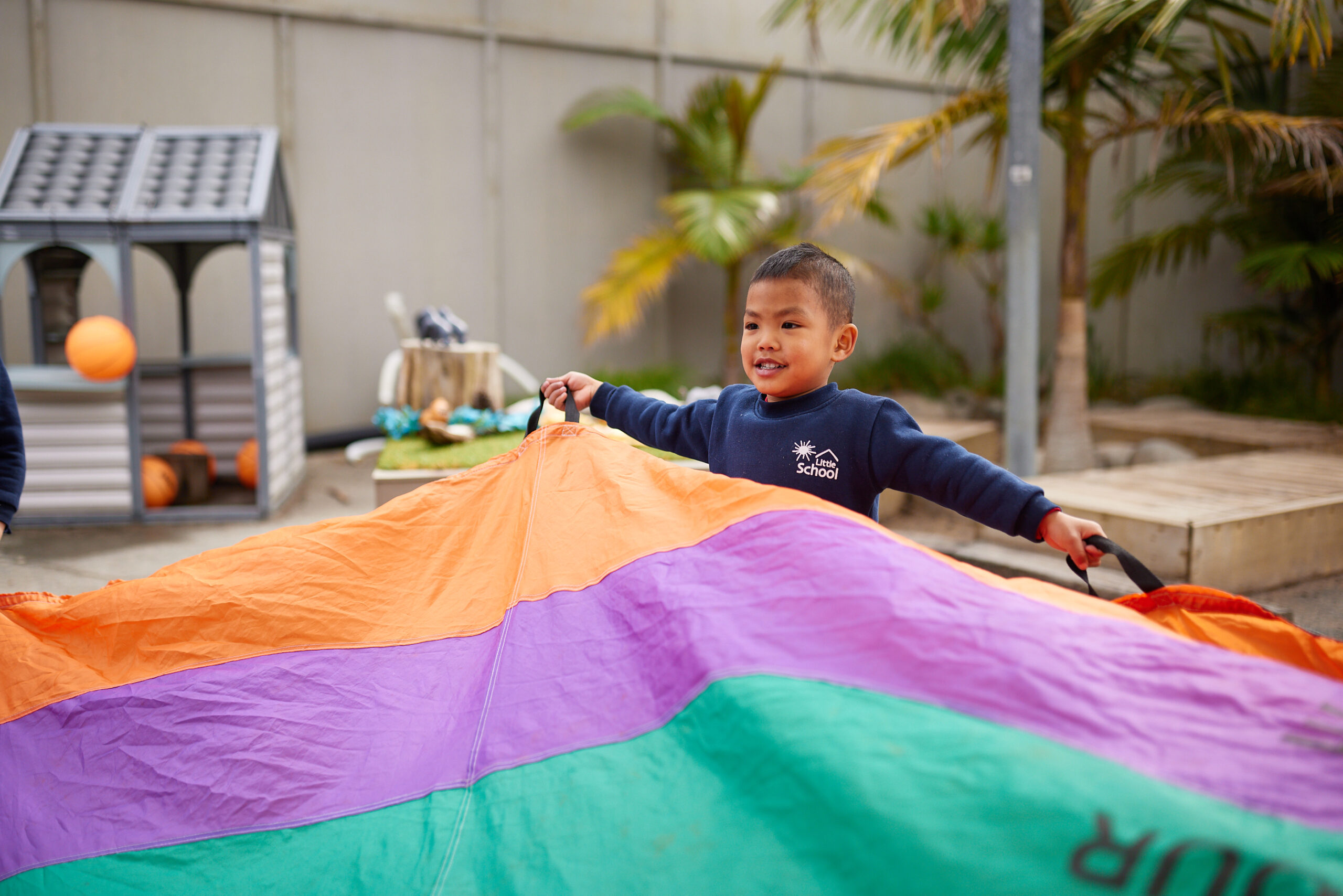
Ever noticed how some children calm instantly when they push, pull or carry something heavy?
Proprioception is the sense that tells us where our body parts are and how much force to use. It comes from muscles and joints and is one of the most powerful self-regulating systems in the body.
Proprioceptive input helps children:
• feel grounded and calm
• understand their body strength
• control movements
• regulate emotions
Children who seek lots of crashing, squeezing, pushing or rough play are often seeking proprioceptive input — not being rough or defiant.
Easy proprioceptive activities
• carrying heavy items
• wheelbarrow walks
• pushing carts or furniture
• climbing and hanging
• digging, pulling, resistance play
This kind of movement is incredibly organising for the nervous system and is a key reason movement supports behaviour and learning.
Have you ever watched a child who seems completely overwhelmed suddenly calm after pushing something heavy… or carrying a box… or hanging from a bar, or just having a gentle kind assuring hug?
There is a visible shift. Their breathing slows. Their movements soften. Their eyes focus. That is not coincidence. That is proprioception at work within a child’s nervous system.
In my 40 years of working with children, I have seen again and again how powerful this system is, particularly for children who struggle with regulation, focus, or emotional control.
Proprioception is the sensory system that tells us where our body is in space. It comes from receptors in our muscles and joints that send constant messages to the brain. Without it, we would not know how hard to press a pencil, how firmly to hug someone, or how much force to use to open a door.
But beyond coordination and strength, proprioception does something even more important. It organises the nervous system.
When a child pushes, pulls, lifts, climbs, squeezes or carries something heavy, they are activating deep pressure receptors throughout their body. That deep muscle engagement sends calming, grounding signals to the brain. This is why I often call proprioception the body’s calming sense.
In today’s world, many children spend long periods seated in cars, in front of screens, at tables. Their bodies are not getting enough resistance, not enough muscle loading, not enough opportunity to push against something solid. And when the nervous system does not receive enough proprioceptive input, it can feel unsettled.
That unsettled feeling can look like constant movement. It can look like crashing into furniture. It can look like squeezing too hard. It can look like rough play. It can look like emotional overreaction. Parents sometimes worry that their child is being wild or defiant.
But often, what I see is a nervous system asking for more feedback.
More grounding.
More resistance.
More organisation.
When children seek crashing, pushing or heavy work, they are not trying to be difficult. They are trying to regulate. This is such an important shift in perspective. Instead of asking, “How do I stop this behaviour?” we begin asking, “What is this child’s body needing?”
I have seen children who cannot sit still suddenly sustain focus after carrying equipment across the playground. I have seen emotional meltdowns soften after climbing and hanging. I have seen anxious children become noticeably calmer after pushing weighted objects. It is not magic. It is physiology.
Proprioceptive input supports emotional regulation, attention, coordination, posture and even confidence. When a child feels physically organised, their thinking brain is far more available for learning.
This is why at Life Learning, movement is never a break from learning. Movement is preparation for learning.
We intentionally create opportunities every day for children to climb, carry, push, pull, dig, hang and engage in resistance play. Not because we want to tire them out, but because we understand that calm bodies create brains ready for learning.
And the beauty of proprioception is that it is simple to support at home.
Invite your child to help carry groceries. Ask them to push a laundry basket across the floor. Encourage climbing at the playground. Play tug of war. Do animal walks down the hallway. Wrap them firmly in a blanket for a few seconds of deep pressure. Let them dig in soil or sand.
These are not just playful activities. They are building neurological foundations.
If your child seems constantly active, struggles with focus, or has big emotional responses, consider whether they may simply need more proprioceptive input in their day. So often, when we meet the nervous system first, behaviour changes naturally.
The early years are where regulation pathways are built. And when we understand sensory development properly, we stop fighting behaviour and start strengthening foundations.
Because when a child feels grounded in their body, they can begin to feel grounded in the world.
And that is where learning truly begins.
At Life Learning, we intentionally provide plenty of opportunities for children to participate in proprioceptive activities” because calm bodies create brains that are ready for learning.
To learn how to use this at home or school, Life Learning offers practical guidance you can use straight away.
If a child is struggling to sit still, hold a pencil, focus in class, or regulate their emotions, we must look at the body first. Not the worksheet. Not the behaviour system. Not the academic expectation. The body.
Because before a child can develop strong fine motor skills, handwriting control, reading stamina, or classroom concentration, they must first build something far more fundamental – strong gross motor foundations.
When children run, climb, crawl, roll, balance, hang and jump, they are not “just playing.” They are building the neurological architecture that supports learning.
Gross motor development in early childhood activates the large muscle groups of the body. It builds core strength, postural stability, bilateral coordination, balance, and spatial awareness. These are not optional extras. These are the systems that allow a child to sit upright at a desk, control their hands, and sustain attention during learning tasks.
And here is the critical piece many overlook: Fine motor skills depend on gross motor stability. A child cannot control their pencil if their core is collapsing. They cannot develop fluent handwriting if their shoulders fatigue quickly. They cannot concentrate if their body is working overtime simply to stay upright.
In occupational therapy and developmental neuroscience, this principle is clear: proximal stability before distal mobility. Stability in the trunk and shoulders allows refined control in the wrists and fingers. Without that stability, the hands compensate. You may see tight pencil grips, awkward posture, excessive fidgeting, or frustration during writing tasks.
These are not always behavioural issues. They are often developmental.
By the age of six, approximately 90 percent of brain architecture has formed. The early years are a critical window for building neural pathways through movement. Climbing strengthens the core and shoulder girdle. Crawling supports cross-hemisphere brain integration. Balancing refines the vestibular system. Carrying heavy objects activates proprioception – the body’s calming sense. Rolling and tumbling build spatial orientation and coordination.
Each movement experience lays down pathways that later support literacy, numeracy, attention, and emotional regulation. Movement is not a break from learning. Movement is the beginning of learning.
In modern childhood, many children move less. There is more time seated in cars, more time indoors, more time on screens. Yet expectations for school readiness have increased. We expect children to sit, listen, write and focus for extended periods, often without first ensuring their bodies are ready for that demand.
When gross motor development is under-supported, we may see children who struggle to sit upright, who tire easily during writing, who avoid fine motor tasks, who appear inattentive, or who become emotionally reactive because their nervous system is overloaded.
And too often, we ask them to try harder. What they often need is to move more.
Daily outdoor play is not optional in early childhood development. It is neurological nourishment. Climbing playground equipment, hanging from monkey bars, navigating uneven terrain, pushing and pulling objects, building obstacle courses -these are developmental necessities that directly impact school readiness.
At Life Learning in New Zealand, movement is intentionally embedded into every day. We do not separate physical development from cognitive development. We understand that a moving child is a learning child.
“The playground is the first classroom.”
When we support the body first, something remarkable happens. Posture improves. Hand control strengthens. Attention span increases. Emotional regulation stabilises. Academic tasks that once felt overwhelming become achievable. Because the foundation is finally strong enough to hold the demand.
If your child struggles with handwriting, concentration, sitting still, coordination, or emotional regulation, consider looking beneath the surface. Ask whether their gross motor foundations are fully developed.
Sometimes the solution is not more academic instruction. It is more climbing. More crawling. More carrying. More balancing. More real-world movement.
“When we build the body well, the brain follows.”
And when the brain is supported properly in the early years, everything else becomes easier.
Life Learning Courses Launching Soon!



What our Clients Say!

Check our Recent Blogs
Want to learn more?
If this resonates with you, you’re not alone. Many parents and teachers are discovering that movement is the missing link for children who are struggling.
👉 Explore parent and educator learning opportunities at
www.lifelearning.co.nz